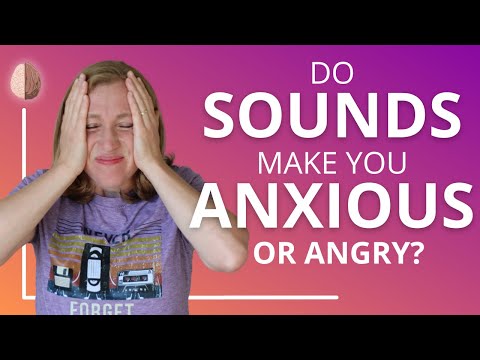
You know that feeling when someone drops a spoon, and it feels like an explosion?
Este blog ofrece contenido únicamente con fines informativos, educativos y de reflexión. La información publicada no constituye consejo médico, psicológico ni psiquiátrico, y no sustituye la evaluación, el diagnóstico, el tratamiento ni la orientación individual de un profesional debidamente acreditado. Si crees que puedes estar atravesando un problema psicológico o de salud, consulta cuanto antes con un profesional certificado antes de tomar cualquier decisión importante sobre tu bienestar. No te automediques ni inicies, suspendas o modifiques medicamentos, terapias o tratamientos por tu cuenta. Aunque intentamos que la información sea útil y precisa, no garantizamos que esté completa, actualizada o que sea adecuada. El uso de este contenido es bajo tu propia responsabilidad y su lectura no crea una relación profesional, clínica ni terapéutica con el autor o con este sitio web.
Yeah, that’s me.
Living with sensitivity to loud noises is no joke. It’s like having a superpower, but one you didn’t ask for.
Every little sound becomes this intense experience. A door slamming? My heart races. A car horn? Instant anxiety.
I mean, sometimes I just want to scream, “Can we keep it down over here?”
But it’s not just about being annoyed; there’s a whole emotional ride that comes with it. Trust me, I’ve got stories.
Let’s chat about what it’s like navigating this world full of noise while feeling like you’re living in a bubble of sound sensitivity!
Do Highly Intelligent People Experience Increased Sensitivity to Noise?
Living with sensitivity to loud noises can be quite the experience, especially for those who are highly intelligent. You might find that when it comes to sounds, your brain processes things a bit differently. For some folks, it’s like having super hearing, and this can be both a blessing and a challenge.
Let’s first dive into how intelligence and noise sensitivity are connected. There’s this theory that people with higher cognitive abilities might be more aware of their environment. This means they pick up on sounds that others may not even notice! It’s like being in a video game where you’ve got heightened senses—you hear every little detail while everyone else is blissfully unaware.
Here are some key points about this phenomenon:
- Heightened Awareness: Highly intelligent people can digest tons of information rapidly, including sound stimuli. This overdrive can make everyday noise feel overwhelming.
- Creativity and Sensitivity: There’s often a link between intelligence and creativity. Creative minds tend to process emotions deeply, making them react more intensely to things like loud music or chatter.
- Anxiety Influences: Anxiety levels can play a significant role in how someone experiences noise. Those with high intelligence may also have higher anxiety levels, which makes loud noises feel even more distressing.
Now think about the fact that many geniuses have struggled with sensory issues. Famous figures like Albert Einstein even had their own battles with sound sensitivity! They often needed quiet spaces to think clearly, proving that it’s not just you feeling overwhelmed at parties or busy cafes.
Sometimes these sensitivities lead to seeking peace and quiet instead of chaos. You know how some video games allow players to customize their environments? Well, many highly sensitive people do the same thing in real life—they create tranquil spaces to recharge.
But let me share something personal here: I used to live in an apartment next to a noisy street. Seriously, it felt like every honking car and chatty passerby was amplified through my walls! I’d put on noise-cancelling headphones only to realize I could still hear those pesky sounds cutting through my concentration. It drove me nuts sometimes!
In the end, it’s essential for those dealing with increased sensitivity to remember that it’s completely valid—not just quirky behavior or overreacting. Managing such sensitivities could include practicing mindfulness or setting up quieter environments where you feel more comfortable.
And hey, if these noise sensitivities are affecting your quality of life significantly? Speaking with a professional is always wise. They can offer tailored coping strategies that work for you specifically.
To wrap things up, living with sensitivity as a highly intelligent person isn’t easy but recognizing what you experience can help lead to better understanding and self-care! Remember—just because you’re tuned into the world around you doesn’t mean there’s anything wrong; it’s just part of your unique wiring!
Exploring the Link Between Noise Sensitivity and Mental Illness
Living with sensitivity to loud noises can be a real challenge, you know? For some people, it’s just annoying, but for others, it can turn into something much deeper, like anxiety or even depression. Let’s explore how this sensitivity links up with mental health.
Noisy Environments and Stress
When you’re sensitive to noise, even the sound of a car honking or someone talking loudly can feel overwhelming. Imagine you’re trying to focus on a video game—like that intense battle scene when suddenly someone starts yelling in the room next to you. It’s frustrating! Your brain is constantly on high alert, and that can lead to increased levels of stress.
Noise Sensitivity and Mental Illness
Research shows that noise sensitivity is often linked to mental health conditions like anxiety disorders and depression. This isn’t just about being grumpy when there’s noise around; it goes deeper. Here are some key connections:
- People with anxiety may find loud sounds trigger their fight-or-flight response.
- PTSD sufferers might react strongly to unexpected noises because it reminds them of traumatic experiences.
- Social anxiety can make crowded places with lots of noise feel unbearable.
It reminds me of a friend who would avoid gatherings because they couldn’t deal with all the background chatter. They were missing out on fun times simply because the noise overwhelmed them.
The Brain’s Response
So what’s happening inside your head? The auditory system is closely tied to emotional regulation areas in your brain like the amygdala. When faced with loud noises, these areas send out signals that can leave you feeling anxious or irritable. Think about playing a video game where you need perfect timing; if there’s too much background noise, your concentration slips away.
Coping Strategies
If you’re dealing with this kind of sensitivity, there are a few strategies that might help manage those feelings:
- Noisy headphones: Listening to calming music can drown out external sounds.
- Meditation: Mindfulness practices help ground you during overwhelming moments.
- Coping mechanisms: Create personal space where you feel safe from sudden loud noises.
Just remember: these strategies are helpful but not substitutes for professional help if things get too tough.
A Personal Perspective
I once had an experience at a concert where I was excited until the music kicked in full blast. I felt overwhelmed by all the sounds—the bass thumping made my heart race! Afterward, I realized how critical it is for me to find quieter spaces when things get intense.
Overall, managing noise sensitivity is definitely possible but requires awareness and self-care. You don’t have to handle this alone; reaching out for support from friends or professionals can make a huge difference in navigating these challenges effectively.
Understanding Sensitivity to Loud Noises: Causes and Implications for Well-Being
So, let’s chat about that pesky thing called sensitivity to loud noises. You know, it’s like suddenly being launched into a chaotic world where every horn honk feels—well—like an explosion. For some folks, this isn’t just an occasional annoyance; it’s a daily struggle.
Sensitivity to noise, also known as hyperacusis, often stems from various causes. It might be linked to things like anxiety, trauma, or even certain medical conditions. Imagine you’re gaming and your friend starts blasting the sound effects—it can feel overwhelming if your ears aren’t up for it!
- Neurological Factors: Sometimes our brains are wired differently. If you’ve ever felt your heart racing during a loud concert while others enjoyed themselves, you might relate.
- Overactive Nervous System: Your body might react more intensely than others to sounds. You could feel jittery or on edge—a simple coffee shop chat becomes distressing!
- Past Traumas: If you’ve had a rough experience with loud noises before, your mind might freak out at any similar sound.
- Mental Health Issues: Conditions like anxiety disorders often come hand in hand with noise sensitivity. It’s not just about being sensitive; it’s feeling trapped in your own head.
You might think: “Okay cool, but how does this affect someone day-to-day?” Well, let me paint a picture for ya. Picture sitting in class and someone drops a book—whoosh! Total panic mode kicks in! Or maybe you’re at a fun party but then the music goes from pleasant background vibes to full-blown rave volume—and suddenly all you want is silence.
This kind of sensitivity can affect everything: social life, work situations, and even relaxation time at home. Ever tried watching your favorite movie only to have the doorbell ring at full blast? Super frustrating! It’s like trying to enjoy pizza while someone keeps throwing toppings everywhere.
Now here’s something important: you’re definitely not alone in this struggle! Many people face similar issues. And if you find yourself nodding along here, seeking professional help can be beneficial. Therapists often have great strategies for managing these feelings and responses to noise.
- Coping Strategies: Simple things like using earplugs or practicing mindfulness can make loud environments feel less threatening.
- A Safe Space: Creating a quiet sanctuary at home allows you to unwind when the world gets too noisy.
- Pace Yourself: When heading out for social events, try choosing quieter locations first—you don’t have to dive into the chaos all at once!
If you relate deeply with this topic or find that noise affects your quality of life significantly—think about chatting with someone who gets it. Sometimes just sharing experiences with friends can help lighten the load (and maybe they’ll keep it down during gameplay).
All I’m saying is: sensitivity doesn’t have to mean isolation or constant fear of unexpected sounds. With the right tools and understanding—from yourself and possibly professionals—you can definitely carve out spaces where both silence and joy coexist peacefully!
Living with sensitivity to loud noises is, well, an adventure. You know how some people have that one friend who freaks out when a blender starts up? Yeah, I can totally relate. It’s like my ears have this built-in alarm system that goes off when things get a bit too loud.
I remember this one time I was at a concert with some friends. The energy was electric, and everyone was dancing and singing along. But then the music hit a peak, and it felt like my head was about to explode! I had to step outside for a breather while everyone else was having the time of their lives. It’s moments like these that make you feel kind of isolated, even in a crowd.
So, here’s the thing: living with sensitivity to noise isn’t just about being annoyed by sirens or construction sounds—although, seriously, those are the worst. It affects everything from social interactions to simple daily activities. You might find yourself avoiding crowded places or feeling extra on edge during family dinners where everyone’s talking over each other.
And it can be frustrating! Sometimes, it feels like you’re on the outside looking in while others revel in sounds you can’t handle. People often don’t get it either; it’s hard for them to comprehend why you need earplugs just to relax at home or why you’d rather skip game night because of all the excitement (and noise) that comes with it.
But here’s something I’ve learned: embracing your sensitivity doesn’t mean you’re weak or overreacting—it means you’re tuned into things differently. That sensitivity can lead to deeper connections with others who share similar experiences or provide insight into your own emotions.
All in all, navigating life with this kind of sensitivity is all about finding balance and seeking environments where you feel comfortable. Whether that’s using headphones in public spaces or creating quiet time at home—it makes a difference! And hey, if someone doesn’t understand your needs? Well, that’s more about them than it is about you.
At the end of the day—there’s beauty in quiet moments too. You just have to create them for yourself sometimes!