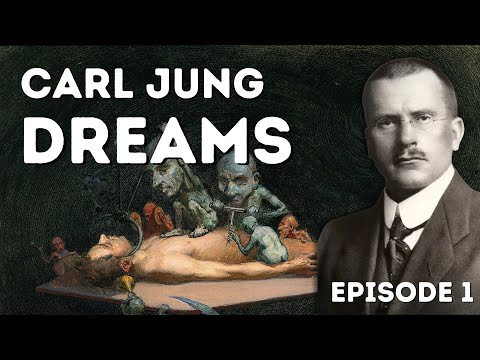
You know those dreams that stick with you? The ones that make you question what’s going on in your head? Yeah, those.
Este blog ofrece contenido únicamente con fines informativos, educativos y de reflexión. La información publicada no constituye consejo médico, psicológico ni psiquiátrico, y no sustituye la evaluación, el diagnóstico, el tratamiento ni la orientación individual de un profesional debidamente acreditado. Si crees que puedes estar atravesando un problema psicológico o de salud, consulta cuanto antes con un profesional certificado antes de tomar cualquier decisión importante sobre tu bienestar. No te automediques ni inicies, suspendas o modifiques medicamentos, terapias o tratamientos por tu cuenta. Aunque intentamos que la información sea útil y precisa, no garantizamos que esté completa, actualizada o que sea adecuada. El uso de este contenido es bajo tu propia responsabilidad y su lectura no crea una relación profesional, clínica ni terapéutica con el autor o con este sitio web.
Well, let’s talk about Carl Jung for a second. This guy was all about the unconscious mind. Dreams were his jam. He believed they were like windows into our hidden selves.
Imagine diving deep into your own thoughts while sleeping. Creepy? Maybe. Exciting? Totally! Jung thought our dreams weren’t just random nonsense but a way to uncover deeper truths about who we are.
So, if you’ve ever woken up feeling puzzled or inspired by your dreams, stick around! We’re gonna explore some wild insights from Jung that could change the way you see your nighttime adventures. Sound good?
Carl Jung’s Comprehensive List of Dream Symbols and Their Meanings
Dreams have been a mystery for ages, haven’t they? And Carl Jung, that brilliant Swiss psychiatrist, had some pretty intriguing ideas about them. Jung believed that dreams are like windows into our unconscious mind. Seriously! He thought they could reveal hidden feelings and thoughts, guiding us toward personal growth. So let’s break this down and take a look at some of the symbols Jung often talked about.
1. Water
Water is a biggie in dream symbols. It often represents emotions or the unconscious mind itself. If you dream of calm waters, it might mean you’re feeling at peace emotionally. But if it’s stormy or turbulent, well, that might indicate some inner turmoil you need to address.
2. Animals
You know how cats can be mysterious? Well, in dreams, animals like cats may symbolize instincts or primal behavior. Jung believed each animal could reflect different aspects of yourself. For example, dreaming of a lion might represent courage or strength you’re tapping into.
3. The Shadow
Oh man! This one’s fascinating: the shadow symbolizes parts of ourselves we hide away—like those embarrassing quirks we don’t want to show others. Encountering your shadow in a dream can be unsettling but also empowering because it suggests you’re confronting those aspects.
4. Flying
Flying dreams are often about freedom and liberation! When you’re soaring through the skies, it can mean you’re breaking free from constraints or feeling confident about your life choices.
5. Death
Now hold on! A dream about death doesn’t mean something terrible is going to happen. Instead, it symbolizes transformation or change—the end of an old phase and the beginning of something new.
6. Houses
Think about how houses can represent the self! Dreaming of different rooms might symbolize various aspects of your personality or life experiences. An attic could represent forgotten memories while a basement might suggest repressed feelings.
Look at these examples: if you’re navigating through an empty house with no furniture—uh-oh! That might imply feelings of emptiness or loneliness in your waking life!
And here’s something cool: Jung also pointed out that cultural context plays a role in understanding these symbols too! That means if you’re dreaming about snakes in Africa versus Europe? They might mean different things altogether based on local beliefs.
So here’s the bottom line: while understanding these symbols can be super helpful for self-reflection and personal growth, remember that dreams are highly individualistic too! Not everything fits neatly into categories because each person has unique experiences that shape their interpretations.
If you ever find yourself puzzled by your dreams—jot them down! You never know what insights they could reveal about what’s going on under the surface of your mind!
Just remember though; exploring dreams isn’t science fiction—it won’t replace professional help if you really need support with mental health issues or emotional challenges. Always reach out to someone who can help when things get heavy!
In short: Jung opened up this fascinating world where our dreams become tools for understanding ourselves better—how cool is that? So keep dreaming and maybe one day you’ll crack your own code too!
Understanding Dreams: Insights from Carl Jung’s Groundbreaking Work
Dreams, you know, can be such a wild ride. One minute you’re flying, and the next, you’re trying to escape a giant rubber duck. Crazy, right? But if we look at them closely, they reveal a lot about our inner selves. Carl Jung, a Swiss psychiatrist and psychoanalyst, had some pretty interesting ideas about dreams that are worth checking out.
Jung believed dreams were like a window into the unconscious mind. He thought they could show us hidden parts of ourselves and help us process our emotions and experiences. So, when you have that bizarre dream where you’re back in high school and forgot your locker combination, it might not just be random fluff. It could reflect feelings of insecurity or anxiety about something happening in your life right now.
He introduced the idea of archetypes, which are universal symbols or themes that pop up in dreams across different cultures. For instance:
- The Hero – This figure often represents courage and the struggle you face in life.
- The Shadow – This symbolizes the darker side of yourself that you might not want to confront.
- The Anima/Animus – These represent your feminine qualities (anima) or masculine qualities (animus), helping you find balance.
Think about “Super Mario” for a second. Mario is definitely the hero facing challenges in his quest to save Princess Peach—he’s got all those archetypal elements down pat!
Now, Jung didn’t just stop at archetypes; he also believed dreams served as a form of compensation. If you’re feeling really stressed about work but try to stay cheerful during the day, your dreams might show something totally opposite at night—maybe something chaotic or even sad. It’s like dreaming brings balance back into your emotional world.
And don’t forget about symbolism. Dreams use symbols to communicate deeper meanings. A snake in your dream isn’t just a snake; it could symbolize transformation or healing since snakes shed their skin. So when Jung looked at dreams, he encouraged people to think deeply about personal meanings behind these symbols instead of relying solely on standard interpretations.
But here’s the key: while exploring these amazing insights can be super enlightening, it’s important to remember that understanding dreams isn’t always straightforward—and it shouldn’t take the place of talking to someone who knows what they’re doing if you’re struggling with mental health issues.
Jung’s ideas have opened doors to understanding ourselves better through what we see when our heads hit the pillow. Dreams might feel like just weird stories sometimes, but seriously—they can be treasure maps leading you deeper into your own psyche!
Comprehensive Guide to Dream Analysis: Downloadable PDF Resource
Dreams have always fascinated people, haven’t they? They can be bizarre, vivid, or just downright confusing. Not to mention, they often leave you thinking about what the heck just happened! But diving into the world of dreams can actually give you some serious insights into your unconscious mind.
So, we’re going to chat about **Carl Jung’s** take on dreams. This guy believed that our dreams are like little windows into our deeper selves. He thought they could help us understand our feelings and unresolved issues. Seriously! Think of dreams as a special kind of movie that your mind puts on for you every night.
- Personal Symbols: Jung said that we each have unique symbols in our dreams. For instance, if you see a tiger, it might represent something fierce in your life—or maybe it’s tied to a fear of change for you.
- Archetypes: These are universal symbols that show up across cultures. You’ve got heroes, shadows, and wise old mentors. If you’ve ever played a game where the hero faces a big bad villain—think about how that villain also reflects some part of us we might not want to face!
- The Collective Unconscious: Jung introduced this concept which suggests we all share some common memories and ideas as humans. That’s why some themes show up in different cultures’ folklore or even in your dreams.
You know what? Dreams can be a bit like video games too! Imagine dreaming that you’re fighting dragons or solving puzzles; it’s like your brain is engaging in its own epic quest during the night! This is much more than just entertainment—it’s an exploration of your feelings.
Let me share a quick story with you. A friend once dreamt she was lost in an endless maze. Every corner turned brought her back to where she started. At first glance, it felt like just a random dream but digging deeper revealed her anxiety about making life decisions! It was her mind’s way of helping her think through something she couldn’t quite articulate when awake.
Now, dream analysis isn’t always straightforward and definitely doesn’t replace professional help when needed. But using Jungian psychology gives us tools to start unpacking those nighttime adventures.
Before wrapping up, remember these points:
- Keep a dream journal to jot down what you remember.
- Look for recurring themes or symbols—there might be something there!
- Talk through your dreams with someone who understands or even with a therapist if you feel stuck.
In essence, exploring your dreams can open doors inside yourself you’d never thought about before. Just like finding hidden levels in a game, right? You might discover parts of yourself that need attention or healing! So grab those dream notes and get ready for an adventure—your unconscious mind is waiting to tell its story!
You know, dreams can be a bit mind-boggling, right? One minute you’re flying, and the next, you’re back in school trying to remember your locker combination that you totally forgot. It’s wild! Carl Jung, a pretty famous psychologist way back when, had some fascinating thoughts about our dreams and the unconscious mind.
Jung believed that dreams are like little windows into our deeper selves. He thought they were more than just random images and stories. Instead, he saw them as messages from our unconscious—problems we need to solve or feelings we haven’t quite faced yet. Like, if you’re stressed about something in your life and it shows up in your dreams as a giant monster chasing you? That monster could be your anxiety manifesting itself. Crazy how that works!
I remember a time when I had this recurring dream of being lost in an endless maze—like one of those corn mazes but never-ending. At first, it freaked me out. But over time, I started realizing it reflected how I felt about my life decisions at that moment. It was like my mind was saying, “Hey! You need to figure this out!” And once I started tackling those feelings while awake? You guessed it—no more maze dreams!
And let’s not forget about Jung’s idea of archetypes—these universal themes or symbols that pop up in all sorts of cultures and stories. Think about the wise old man or the nurturing mother figure. He believed these archetypes show up in our dreams too, helping us connect with shared human experiences.
So when you dream tonight—or whenever you do—maybe take a second to think about what those images could mean for you personally. Are they nudging you to face something you’ve been avoiding? Or perhaps guiding you toward something new? Most importantly, embrace them! They might just be shining a light on parts of yourself you’ve yet to explore.
In the end, dreaming isn’t just a quirky nighttime adventure; it’s an opportunity for self-discovery and growth. What’s more exciting than learning more about yourself through the amazing stories your brain creates while you’re snoozing?