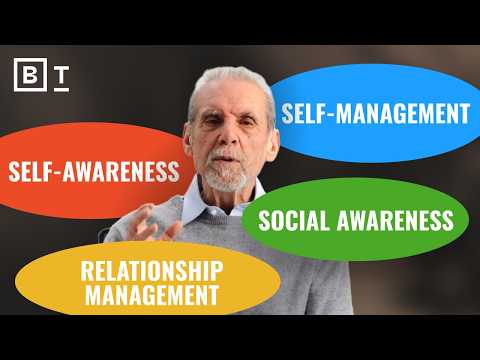
You know how sometimes you just «get» what someone’s feeling without them saying a word? That’s emotional intelligence for ya!
Este blog ofrece contenido únicamente con fines informativos, educativos y de reflexión. La información publicada no constituye consejo médico, psicológico ni psiquiátrico, y no sustituye la evaluación, el diagnóstico, el tratamiento ni la orientación individual de un profesional debidamente acreditado. Si crees que puedes estar atravesando un problema psicológico o de salud, consulta cuanto antes con un profesional certificado antes de tomar cualquier decisión importante sobre tu bienestar. No te automediques ni inicies, suspendas o modifiques medicamentos, terapias o tratamientos por tu cuenta. Aunque intentamos que la información sea útil y precisa, no garantizamos que esté completa, actualizada o que sea adecuada. El uso de este contenido es bajo tu propia responsabilidad y su lectura no crea una relación profesional, clínica ni terapéutica con el autor o con este sitio web.
Mayer and Salovey really opened up this whole world of understanding emotions, both our own and those of others. It’s wild how this skill impacts our lives, don’t you think?
Picture being the friend who always knows when to lend an ear or crack a joke. That’s emotional intelligence in action.
Let’s take a closer look at what it all means and why it matters. Seriously, it could change how you connect with people—friends, family, even coworkers!
Exploring the Four Key Elements of the Mayer-Salovey Model of Emotional Intelligence
Alright, let’s dig into the Mayer-Salovey model of emotional intelligence. This model breaks down emotional intelligence into four key elements that play a huge role in how we understand and manage our emotions—and the emotions of others, too. So, buckle up!
1. Perceiving Emotions: This is all about recognizing emotions in yourself and others. It’s like that moment when you walk into a room and can instantly feel tension or excitement—without anyone saying a word. Think about playing a game where you have to read the facial expressions of your opponents, you know? If they look nervous, maybe that’s your cue to push forward! Being able to spot those feelings is super important for effective communication.
2. Using Emotions: Here’s where things get interesting. You can use your emotions to guide your thinking and behavior. Ever noticed how a catchy song makes you more motivated while working out? That’s exactly it! Emotions can inspire actions or help you focus on creative tasks. Imagine you’re trying to solve a tricky puzzle; if you’re feeling confident and energized, you’re more likely to tackle it head-on rather than quitting.
3. Understanding Emotions: This element deals with analyzing emotions and what they mean—kind of like being an emotional detective! You learn how different feelings can change over time or be mixed together—like feeling happy and anxious at the same time about starting a new job. It’s important because it helps us better respond to situations, avoiding misunderstandings or conflicts with others.
4. Managing Emotions: Finally, this piece is all about regulation—controlling your own emotions and influencing others’ emotions as well. Picture this: during an intense board game night with friends, someone gets frustrated over losing badly. If you step in with some encouragement or humor, it might just shift the mood back to fun instead of tension! Managing those feelings effectively contributes hugely to relationships both personally and professionally.
So there you have it—the four cornerstones of emotional intelligence according to Mayer-Salovey’s model: perceiving emotions, using emotions, understanding emotions, and managing them. These elements are crucial for not just personal well-being but also for building stronger connections with others.
Remember though: while this info can be really helpful for personal growth, it doesn’t take the place of professional help if you ever feel overwhelmed by your feelings or those of others around you!
Understanding the 5 Domains of Emotional Intelligence According to Salovey
Emotional intelligence is one of those buzzwords we hear a lot, but what’s it really about? Well, Mayer and Salovey laid out a pretty cool framework that breaks it down into five key domains. Let’s dig into these areas and see how they shape our understanding of emotions in ourselves and others.
- Self-awareness: This is about recognizing your own emotions and how they affect your thoughts and behavior. Imagine playing a video game where you control a character. You need to know when your character is feeling strong or weak to make smart moves in the game, right? Similarly, understanding your feelings helps you navigate through life better.
- Self-regulation: Once you’re aware of your feelings, the next step is managing them. This could mean calming yourself when you’re angry or cheering yourself up when you’re feeling down. Think of it like pausing a game when things get overwhelming; you take a moment to gather your thoughts before jumping back in.
- Motivation: This domain revolves around what drives you emotionally. Are you striving for personal goals out of passion or just to impress others? It’s like being on a team in a sports game—playing for the love of the sport versus just to win trophies can shape how well you play together.
- Empathy: Empathy is all about recognizing emotions in others. Can you feel what someone else is feeling? If one player on your team misses an important goal, do you understand their frustration? That’s empathy! It helps build connections with others, making teamwork smoother and more enjoyable.
- Social skills: The final domain involves navigating social complexities—like managing relationships effectively. It’s similar to mastering alliances in an online multiplayer game: knowing how to communicate with teammates can help bring victory. Good social skills lead to better collaboration and less conflict!
So, these five domains work together like pieces of a puzzle to create emotional intelligence. Each plays its part in helping us understand ourselves better and connect with those around us.
You know what? Emotional intelligence isn’t just about being nice or kind; it’s about being aware! It’s super important in both our personal lives and careers too. If you’ve ever had trouble working on a project with someone else (let’s face it, we all have), then improving emotional intelligence could make all the difference.
And hey, while this overview gives you some pretty solid info about emotional intelligence according to Salovey, remember that if you’re struggling with emotions or mental health issues, reaching out for professional help can be really beneficial!
Key Concepts of Emotional Intelligence: Understanding the Foundations of Emotional Awareness and Interpersonal Skills
Emotional intelligence is a big deal, you know? It’s all about how well you understand and manage your own emotions while also recognizing and influencing the emotions of others. Mayer and Salovey were the real MVPs in this field, giving us a solid framework to break it down.
Self-Awareness is the first pillar. It’s like having a personal highlight reel of your feelings. When you’re aware of your emotional state—like realizing you’re stressed about that big presentation—you can address it. Think about a time when you felt overwhelmed but didn’t know why. Acknowledging those feelings helps you respond better rather than just reacting, which can lead to misunderstandings with others.
Next up is Self-Regulation. Basically, it’s about managing your emotions in a healthy way. I mean, we all have those days when someone cuts us off in traffic or steals our fries, right? Instead of flipping out, self-regulation lets you stay calm. It’s like playing chess—you plan your next move instead of just reacting impulsively.
Then there’s Motivation. This isn’t just about being pumped for Friday; it’s deeper than that! It’s about having the drive to improve yourself and stay committed to your goals. Think of it as having that inner pep talk: instead of feeling defeated after a setback, you’re ready to learn from it and push forward.
Now let’s chat about Empathy. This one’s crucial for connecting with others. It means sensing how someone else feels—and being able to put yourself in their shoes. Ever had a friend going through something tough? Showing empathy might look like simply listening without jumping in with solutions right away.
Finally, there’s Social Skills. These are all those charming abilities that help you navigate conversations and build relationships. Whether you’re leading a team or chatting at a party, good social skills can make or break interactions. Imagine playing a multiplayer game where teamwork is key; communication skills are what keep everyone on the same page!
So here’s how these concepts fit together: if you’re aware of your emotions (self-awareness), manage them (self-regulation), stay motivated, can empathize with others, and have solid social skills—you’re really leveling up emotionally!
And remember, while understanding emotional intelligence can be super helpful in life and relationships—it doesn’t replace talking to a professional if you’re struggling with deeper issues. That said, it sure does give you some tools for everyday interactions!
So, let’s chat a bit about that thing we call emotional intelligence, right? Mayer and Salovey really brought this concept to life, and it’s all about how we understand, use, and manage emotions—both ours and others’. It’s pretty interesting when you start to think about how emotions play such a massive role in our daily lives.
You know what? A little while back, I had this moment that really hit home for me. I was having a rough day at work; everything felt overwhelming. I thought about just powering through but instead took a breather. I started recognizing how stressed I was feeling and realized it wasn’t just me—it affected my whole vibe around the office. Well, once I understood that feeling, I reached out to a colleague who seemed a bit off too. We had a heart-to-heart instead of just pretending everything was fine. In the end, it turned into this magical moment of support between us. That’s basically emotional intelligence in action!
Now, Mayer and Salovey broke emotional intelligence down into four main parts—like building blocks for your emotional toolkit. The first is perceiving emotions, which is all about recognizing feelings in yourself and others. Ever notice how some people can walk into a room and instantly sense when things are tense? That’s them tapping into this skill.
Then there’s using emotions to facilitate thinking. Picture this: you’re gearing up for an important presentation but feeling nervous as heck—what do you do? Instead of letting panic take over, you channel that nervous energy into excitement or motivation. Pretty cool how your feelings can actually help your brain kick into high gear!
Next up is understanding emotions. This one’s like connecting the dots—you’re not just seeing feelings; you’re trying to figure out why they happen and what they mean. You might’ve experienced something similar when trying to navigate relationship drama; if you can get why someone feels hurt or angry, well that makes communication easier.
Finally, we’ve got managing emotions. This one’s crucial! It means knowing how to handle your feelings effectively so they don’t get the best of you or anyone else around you—which can be tough sometimes! Ever tried calming someone down who’s spiraling? Taking control in those moments can lead to some amazing outcomes.
So anyway, Mayer and Salovey’s ideas remind us that emotional intelligence isn’t just some fancy phrase tossed around by motivational speakers; it’s super practical for everyday life! And honestly? It helps us connect better with others while getting through our own ups and downs without totally losing our cool.
Just imagine what the world would look like if everyone practiced these concepts more often—how much more compassion could flow around? It makes me feel hopeful thinking about it!