You know that feeling when you just click with someone? Like, they get you? That’s emotional intelligence, my friend. But here’s the catch: It’s not just about vibes and feelings.
Este blog ofrece contenido únicamente con fines informativos, educativos y de reflexión. La información publicada no constituye consejo médico, psicológico ni psiquiátrico, y no sustituye la evaluación, el diagnóstico, el tratamiento ni la orientación individual de un profesional debidamente acreditado. Si crees que puedes estar atravesando un problema psicológico o de salud, consulta cuanto antes con un profesional certificado antes de tomar cualquier decisión importante sobre tu bienestar. No te automediques ni inicies, suspendas o modifiques medicamentos, terapias o tratamientos por tu cuenta. Aunque intentamos que la información sea útil y precisa, no garantizamos que esté completa, actualizada o que sea adecuada. El uso de este contenido es bajo tu propia responsabilidad y su lectura no crea una relación profesional, clínica ni terapéutica con el autor o con este sitio web.
So, there’s this tool called EQ-i that helps measure emotional intelligence. It’s pretty cool! Basically, it digs into how we understand our own emotions and others’. Imagine being able to pinpoint what makes you tick or why someone else is having a tough day.
And let me tell you, having high emotional intelligence can seriously change your game in life, work, and relationships. Who wouldn’t want better connections?
Stick around as we break down the EQ-i and why it matters—because learning about yourself can be a total eye-opener!
Understanding and Interpreting Emotional Intelligence (EQ) Scores: A Practical Guide
Emotional intelligence, or EQ, is all about how we understand and manage our emotions, as well as those of others. It’s like the unsung hero of our social lives, guiding us through twists and turns in relationships. So, when you bump into something called the EQ-i, you’re actually looking at a tool that measures this kind of intelligence. Let’s break it down together!
The EQ-i, or Emotional Quotient Inventory, is a fancy questionnaire that scores various aspects of emotional intelligence. It gives you insights into strengths and areas for improvement. You can think of it like playing a video game; each level represents different skills in handling emotions, self-perception, and social relationships.
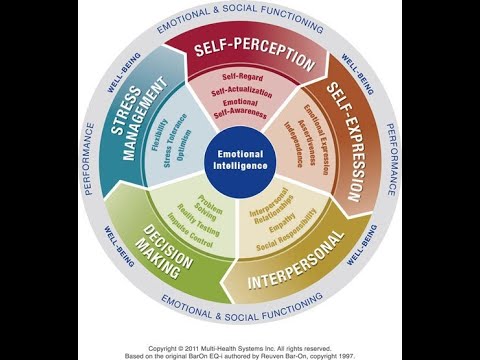
When you get your EQ-i score, it’s divided into five key areas:
- Self-Perception: This is about how well you see yourself. Do you know your strengths and weaknesses? Think of it as character creation in a game; if you’re aware of your abilities, you’ll play better!
- Self-Expression: How do you express emotions? Can you communicate effectively? Imagine trying to solve a puzzle but not knowing how to share hints with friends; it can get tricky!
- Interpersonal Skills: This relates to your ability to build relationships. Good interpersonal skills help you work smoother with others—like teaming up to win that multiplayer game.
- Decision Making: This is all about making choices based on emotional info. You wouldn’t go into battle without planning your moves first, right?
- Stress Management: How do you deal with pressure? Picture a timed challenge where keeping calm could mean the difference between victory or defeat!
Your scores in these areas give insight into how emotionally intelligent you are—kind of like getting a report card after a semester.
You might be thinking: «So what do I do with my score?» Well, first off, don’t panic! Just like any other assessment, it’s meant for reflection rather than judgment. If one area scores lower than you’d like—say self-expression—you can work on that! It’s just like leveling up in a game; practice makes progress.
If you’re feeling overwhelmed about low scores or the implications they have on your life or relationships—hey, that’s totally normal! A therapist or counselor can really help explore these feelings further and guide you on how to improve.
The EQ-i isn’t just numbers; it’s an invitation to understand yourself better and grow as a person. Like any good adventure RPG (Role-Playing Game), it’s less about the destination and more about enjoying the journey along the way!
No matter what score you’ve got—or even if you’ve never taken an EQ assessment—remember that emotional intelligence can always improve with time and effort. So keep playing this game called life with curiosity! You got this!
Download the EQ-i 2.0 Assessment: Free PDF for Emotional Intelligence Evaluation
Emotional intelligence is like the unsung hero of our personal and professional lives. It’s not just about being smart or good at your job; it’s about how you handle your emotions and understand others’. That’s where the **EQ-i 2.0 Assessment** comes in.
What is EQ-i 2.0? Well, it stands for Emotional Quotient Inventory version 2.0, and it’s a widely-used tool for measuring emotional intelligence. Think of it as a report card for your feelings! It helps you understand how well you recognize, manage, and express emotions—yours and those of the people around you.
So maybe you’re sitting in traffic, feeling that stress bubble up. How do you respond? Do you yell at other drivers or take deep breaths to calm yourself down? That moment shows your emotional intelligence in action.
Here are key points about the EQ-i 2.0:
- Self-Awareness: This part digs into how well you perceive your own emotions.
- Self-Regulation: Can you keep those feelings in check? It measures your ability to control impulses.
- Empathy: This isn’t just feeling what others feel; it’s about understanding their perspective.
- Social Skills: Think communication and relationship-building; this part looks at how smoothly you interact with others.
- Mood Management: It assesses how effectively you cope with stress and negativity.
You know what? The EQ-i isn’t just a bunch of questions on paper. It involves some fancy scoring too! After filling out the assessment—which takes around 30 minutes—you’ll receive feedback on several aspects of your emotional intelligence.
But here’s a little reminder: the EQ-i assessment doesn’t take the place of professional help if you’re struggling emotionally or mentally. If you’re feeling really stuck or overwhelmed, talking to a mental health expert can make all the difference.
Now, back to that assessment! You might be wondering where to find it—or if there’s a free PDF option floating around on the internet. Unfortunately, while some resources might offer insights into emotional intelligence or even practice questions, getting an official **EQ-i 2.0 Assessment** usually involves going through authorized facilitators who can give you access to the real deal.
Also, remember that like any game, playing this emotional intelligence «level» requires practice. Engaging regularly with activities that boost these skills can help too—things like team sports that teach collaboration work wonders!
In essence, taking stock of your emotional intelligence can be so beneficial for improving relationships and achieving personal growth—like leveling up in life! So if you’re curious about where you’ll score on this emotional scale one day, don’t hesitate to check out trusted sources and professionals who can guide you through the process.
Feeling intrigued? Just know that exploring your emotional landscape is always valuable—even outside of an official assessment context!
Download the Emotional Quotient Inventory 2.0 (EQ-i 2.0) for Free: A Comprehensive Guide
Emotional intelligence, or EQ, is a pretty cool concept. It’s all about how well you manage your own emotions and understand the feelings of others. Think of it as the “feelings smart” part of you. The Emotional Quotient Inventory 2.0 (EQ-i 2.0) is a tool that measures this emotional intelligence in a structured way. So, if you’re curious about it, let’s break it down!
The EQ-i 2.0 is designed to dive into different aspects of emotional intelligence. It looks at things like self-perception, emotional expression, and interpersonal relationships. Basically, it gives you a snapshot of how emotionally aware you are and can help point out areas for improvement.
- Self-Perception: This focuses on how well you know yourself—your strengths and weaknesses.
- Self-Expression: Here, you’re looking at how effectively you express your emotions.
- Interpersonal Skills: This measures how well you relate to others and maintain social connections.
- Decision Making: This area considers how emotions influence your choices.
- Stress Management: It evaluates your ability to manage pressure while staying calm.
Now, let’s talk about the actual experience of taking the EQ-i 2.0 test! You fill out a self-report questionnaire that includes statements about feelings or behaviors. For example, one question might ask if you often find it easy to empathize with others’ feelings—great if you’re that friend who always knows when someone’s having a tough day!
Once completed, the results categorize your emotional intelligence into various areas based on your answers. You get scores that show where you shine and where there’s room for growth.
But here’s the catch: You can’t just download this inventory for free. It typically requires purchase through authorized providers because it needs an expert for interpretation—which means those results have some weight behind them! If you’re super interested in exploring emotional intelligence without spending bucks right away, there are some free resources available online that touch on similar themes.
Just remember: while understanding your emotional quotient can be incredibly insightful, it doesn’t replace professional therapy or counseling. If you’re feeling stuck or overwhelmed by emotions seriously consider talking to someone who knows their stuff.
So whether you’re just curious about emotional intelligence or genuinely want to improve yours, diving into resources like the EQ-i 2.0 can really give you valuable perspectives on yourself and your relationships with others! Isn’t that exciting?
You know, emotional intelligence is one of those terms that gets thrown around a lot, but what does it really mean? I mean, we’ve all had moments where our feelings got the better of us. I remember this one time, I was at a family gathering, and my cousin said something a bit snarky. Instead of responding calmly, I snapped back. Totally embarrassing! That’s when it hit me—emotional intelligence is kind of like a superpower for handling those sticky situations.
So let’s talk about the EQ-i, which stands for Emotional Quotient Inventory. It’s basically a tool to measure how well you understand and manage your own emotions as well as those of others. It breaks it down into various sections like self-perception and interpersonal skills—kind of like getting a report card on your emotional skills.
What’s cool about the EQ-i is how it gives you insights into areas where you might need some work. Maybe you struggle with stress management or you find it tough to connect with people on an emotional level. Knowing these things can help you create a roadmap for improvement.
And here’s the thing: not everyone realizes that emotional intelligence isn’t just about being nice or making friends; it also plays a huge role in making decisions and dealing with stress. Think about that time when you were under pressure at work; if you could read your emotions—and maybe even those of your colleagues—you could totally steer things in the right direction, right?
To get all scientific for just a second—well, maybe not too scientific—the EQ-i uses self-report items and ratings from other people to measure your emotional abilities. This means it can assess how well you manage emotions over time instead of just in one instant situation.
But honestly? It’s more than just numbers on a page or scores in different areas. It’s about connection and growth. Imagine improving your ability to empathize or communicate effectively—how much better would your relationships be? So while the EQ-i can be super helpful for assessing where you’re at emotionally, using that information to level up is where the real magic happens.
In the end, whether you’re taking the EQ-i for personal growth or professional development, it’s worth considering how understanding yourself—and others—can lead to richer experiences all around. You got this!