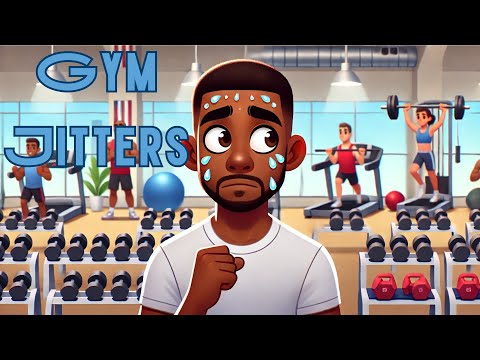
Hey, have you noticed that public anxiety is kinda everywhere these days? Seriously, it seems like more and more people are feeling anxious about being out in the world.
Este blog ofrece contenido únicamente con fines informativos, educativos y de reflexión. La información publicada no constituye consejo médico, psicológico ni psiquiátrico, y no sustituye la evaluación, el diagnóstico, el tratamiento ni la orientación individual de un profesional debidamente acreditado. Si crees que puedes estar atravesando un problema psicológico o de salud, consulta cuanto antes con un profesional certificado antes de tomar cualquier decisión importante sobre tu bienestar. No te automediques ni inicies, suspendas o modifiques medicamentos, terapias o tratamientos por tu cuenta. Aunque intentamos que la información sea útil y precisa, no garantizamos que esté completa, actualizada o que sea adecuada. El uso de este contenido es bajo tu propia responsabilidad y su lectura no crea una relación profesional, clínica ni terapéutica con el autor o con este sitio web.
Maybe you’ve felt it too? Like, that tight knot in your stomach when you’re in a crowded place or just thinking about having to speak up in a group.
Public anxiety can feel heavy, almost like carrying a backpack full of bricks. But here’s the thing: you’re not alone in this struggle.
People are looking for ways to cope, and some strategies can really make a difference. So let’s just chat about what causes this type of anxiety and how to handle it—like friends sharing tips over coffee!
Take the Social Anxiety Test: Assess Your Symptoms and Understand Your Triggers
So, let’s chat about social anxiety. You might feel a bit nervous at parties, or maybe meeting new people makes your stomach do flips. That’s pretty normal, but when it gets intense, it can really mess with your daily life. Let’s break it down so you can understand what’s going on and how to cope.
What is Social Anxiety?
Social anxiety is more than just shyness. It’s the fear of being judged or embarrassed in social situations. This can lead to avoiding gatherings or feeling super uncomfortable in public places. It’s like playing a video game on the hardest difficulty – every little interaction feels high-stakes and nerve-wracking.
Common Symptoms
Here are some signs you might be dealing with social anxiety:
- Excessive sweating
- Shaking hands or legs
- A racing heart
- Nausea or feeling dizzy
- Avoiding social situations altogether
Ever felt your palms get all sweaty before talking to someone? That’s your body kicking into high gear.
What Triggers Social Anxiety?
Understanding your triggers is key! These are specific situations that make you anxious. Some common ones include:
- Public speaking (like giving a presentation)
- Meeting new people (think of trying to join a new group)
- Crowded places (concerts, malls, etc.)
- Audience attention (having everyone’s eyes on you)
Imagine you’re at a party and all eyes are on you because you just walked in – yikes! That can flip the social anxiety switch real quick.
Self-Assessment: The Social Anxiety Test
Now if you’re wondering where you stand, there are simple tests online that help assess those feelings. They often ask questions about how you react in different scenarios—like how you’d feel about speaking up during class or fitting into new groups. These self-assessments aren’t official diagnoses but can give you clues about your experiences.
Coping Strategies
Feeling anxious doesn’t have to be the end of the world; there are ways to cope! Here are some strategies that can help ease those nerves:
- Breathing exercises: Deep breaths can ground you when anxiety hits.
- Practice exposure: Gradually face what scares you—like saying hi to a stranger.
- Cognitive behavioral techniques: Challenge negative thoughts—if you think “Everyone will laugh at me,” try flipping it around!
Like leveling up in a game, practicing these strategies over time builds confidence!
When To Seek Help?
If social anxiety feels overwhelming and interferes with daily life—like skipping out on work events or avoiding friends—talking to someone who knows their stuff could really help. A professional can offer tailored strategies and support.
So remember, it’s completely okay to feel anxious sometimes, but don’t let it stop you from enjoying life! You’ve got this!
Understanding Social Anxiety Disorder: Symptoms, Causes, and Effective Treatment Strategies
So, social anxiety disorder. It’s one of those things that can really mess with your daily life, right? You know, when the idea of being in a social situation feels like climbing a mountain instead of just going to a party or hanging out with friends.
Social anxiety disorder is more than just shyness; it’s an intense fear of being judged or embarrassed in front of others. People with this condition often avoid situations that might trigger these feelings. Imagine you’ve got a party coming up and you’re stressing about how you’ll look, or what to say. It’s overwhelming.
Let’s break down some symptoms. You’ll typically see:
- Intense fear: Like, seriously intense worries about social situations.
- Physical symptoms: Things like sweating, shaking, or even feeling sick when faced with social interactions.
- Self-consciousness: Constantly worrying about what people think of you.
- Avoidance behavior: Not showing up to events or making excuses not to go out.
These feelings aren’t just situational; they can hang around for a long time and really affect how someone lives their life.
Now, talking about the causes can feel a bit tricky because it varies from person to person. Some reasons could be:
- Genetics: If social anxiety runs in your family, it might be part of your makeup too.
- Brain chemistry: Sometimes our brains just don’t produce enough of the right balance of chemicals that keep our moods stable.
- Past experiences: Maybe you were bullied as a kid or embarrassed in front of others; those moments can stick with you.
I remember my friend Joe who used to freak out at group projects in school because he always felt like everyone was judging him. Even years later, he’d avoid speaking up in meetings at work because he thought he’d embarrass himself. It was tough for him until he decided enough was enough.
Now onto treatment strategies! There are ways to manage and lessen those fears:
- Cognitive Behavioral Therapy (CBT): This is like training your brain to handle situations differently—think of it as leveling up in a game! You learn new skills to tackle fears head-on.
- Medication: Some people find relief through medication prescribed by their doctor; it’s definitely something worth discussing with a professional!
- Breathe & relax techniques: Practicing deep breathing or mindfulness can help ground you when anxiety hits; imagine pausing before making your move in chess—take that breath!
Social anxiety disorder isn’t easy; but knowing it’s common might ease the load just a bit. And while these strategies can be helpful for managing anxiety, they’re not substitutes for talking things over with someone who knows their stuff—like a therapist.
In the end, remember this: it’s okay to ask for help. You’re not alone! If you’re struggling with this kind of anxiety, reaching out can really make all the difference.
Understanding the Different Types of Social Anxiety: A Comprehensive Guide
Social anxiety can be tricky. It’s more than just feeling shy or nervous in front of people. It can really mess with your day-to-day life. So, let’s break this down into different types and maybe even give you a better understanding of what’s going on.
Generalized Social Anxiety Disorder is when you feel intense fear in most social situations. Imagine walking into a crowded room at a party, your heart races, and every eye feels like it’s boring into you. You might worry about saying something stupid or being judged. This type can make everyday interactions—like ordering coffee or chatting with coworkers—overwhelming.
Then there’s Performance Anxiety. This one usually kicks in when you’re expected to be “on stage,” so to speak, whether it’s giving a presentation at work or performing in front of an audience. Picture the stress before taking your final shot in a basketball game; every moment feels amplified. You might sweat buckets, fumble your words, or freeze up completely.
Another type is Specific Social Phobia. This is where the fear is tied to specific scenarios, like eating in front of others or talking to authority figures. Think about how nerve-wracking it can be to speak with your boss about something important—they’re not just any person; they’re the boss! The thought alone can send butterflies (or maybe even dragons) swirling around in your stomach.
Social Anxiety Disorder (SAD) isn’t just limited to these categories but can manifest in all kinds of ways, often blending them together. Maybe you feel anxious one day about going out with friends and the next day panicking over talking on the phone. It’s exhausting!
You might ask yourself, «What causes all this anxiety?» Well, several factors play roles here:
- Genetics: If anxiety runs in your family tree, there’s a chance you might share that trait.
- Environment: Childhood experiences or past traumas can shape how we handle social situations.
- Cognitive Patterns: Sometimes it stems from how we think about ourselves—negative thoughts really are sneaky little devils!
So now that we’re clear on what social anxiety looks like and what might cause it, how do we cope? Here are some strategies that could help ease those feelings:
- Cognitive Behavioral Therapy (CBT): This therapy helps change negative thinking patterns and behaviors.
- Gradual Exposure: Slowly facing your fears—in baby steps—can help lessen the intensity over time.
- Meditation and Breathing Exercises: Relaxation techniques can help calm those racing hearts during tough moments.
- Talk it Out: Sharing feelings with trusted friends or family members makes the burden lighter.
Just remember—social anxiety varies from person to person! It’s essential to find strategies that work best for you. If those feelings start getting overwhelming? Don’t hesitate to reach out for professional help because you’re definitely not alone in this journey!
In the end, understanding social anxiety gives us tools to handle it better and live our lives more freely! So next time you’re feeling anxious about meeting someone new or speaking up? Just know there are ways through it all!
Public anxiety, wow, it can be such a heavy topic, right? Like, you step outside and suddenly the world feels like it’s closing in on you. It’s kind of wild how many people experience this. You’re not alone; seriously, many folks are scared about a bunch of things—politics, social issues, climate change. Look around!
I remember a friend of mine who used to get anxious just thinking about going to a crowded place like a concert or even the mall. The poor guy would overthink it for days. He’d keep saying things like “What if something goes wrong?” or “What if I can’t handle it?” It’s painful to see someone you care about get so worked up over something that should be fun.
So what causes this public anxiety anyway? Well, there are tons of factors at play here. It could be rooted in personal experiences—maybe something scary happened when they were younger—or it could stem from media coverage that makes everything feel like a crisis all the time. You know how it is; sometimes it feels like we’re just bombarded with all these negative headlines every day!
And then there’s the whole comparison game on social media—the endless scroll where everyone seems to have their lives together while you might feel like you’re just treading water. It kind of feeds into this anxious cycle where you’re constantly worried about fitting in or being judged.
Coping strategies? Yeah, those are super important! A simple one is deep breathing—you know? Just taking a moment to breathe deeply can do wonders for reducing anxiety and calming those racing thoughts. Another idea might be mindfulness or meditation; it sounds kind of cliché sometimes but trust me, tuning out and focusing on the present can really help.
Also, having someone to talk to can make all the difference—whether it’s your best friend or even a therapist. Just getting those feelings off your chest can lighten your load so much! Sometimes sharing helps us realize we’re not so different after all.
And hey, even finding little joys in everyday life can boost your mood: read that book you’ve been meaning to pick up or try cooking something new—it shifts your focus and lifts some weight off your shoulders!
So yeah, public anxiety is no joke but knowing that there are ways to cope opens up avenues for relief and connection with others who understand what you’re feeling. It’s totally okay not to have it all figured out because who does anyway?