You ever feel like your emotions are all over the place? Yeah, me too.
Este blog ofrece contenido únicamente con fines informativos, educativos y de reflexión. La información publicada no constituye consejo médico, psicológico ni psiquiátrico, y no sustituye la evaluación, el diagnóstico, el tratamiento ni la orientación individual de un profesional debidamente acreditado. Si crees que puedes estar atravesando un problema psicológico o de salud, consulta cuanto antes con un profesional certificado antes de tomar cualquier decisión importante sobre tu bienestar. No te automediques ni inicies, suspendas o modifiques medicamentos, terapias o tratamientos por tu cuenta. Aunque intentamos que la información sea útil y precisa, no garantizamos que esté completa, actualizada o que sea adecuada. El uso de este contenido es bajo tu propia responsabilidad y su lectura no crea una relación profesional, clínica ni terapéutica con el autor o con este sitio web.
Seriously, navigating life can be a rollercoaster. One minute you’re on top of the world; the next, you’re questioning everything.
That’s where emotional intelligence comes in. It’s not just some buzzword, you know? It’s about understanding your feelings and the feelings of those around you.
Imagine being able to manage your anxiety or even help a friend through a tough time without breaking a sweat. Sounds pretty cool, right?
Well, developing that emotional IQ can seriously help with personal growth and relationships. So let’s chat about it!
Understanding Emotional Intelligence for Effective Personal Growth
Emotional Intelligence, or EI for short, is like your inner superhero. It’s all about understanding and managing your emotions, as well as the emotions of others. Why should you care? Well, it can totally boost your personal growth and relationships!
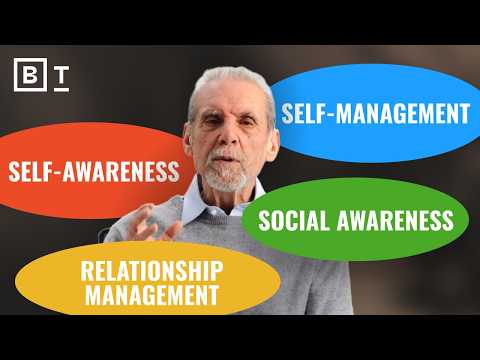
So what exactly is Emotional Intelligence? Think of it as having a radar system. This radar helps you pick up on feelings in yourself and others, basically giving you an advantage in navigating life. EI breaks down into five main parts:
- Self-awareness: This is all about knowing what you’re feeling and why. It’s that moment when you realize you’re anxious before a big meeting.
- Self-regulation: Can you keep your cool under pressure? Self-regulation means managing those strong impulses so you don’t snap at someone just because you’re stressed.
- Motivation: This goes beyond just wanting to achieve something; it’s about having that internal drive to chase goals and not giving up when things get tough.
- Empathy: It’s the ability to walk a mile in someone else’s shoes. Imagine your friend is upset, and instead of telling them to cheer up, you actually understand their pain.
- Social skills: Building strong relationships and effectively communicating—kind of like being the popular kid in school who knows how to get everyone talking!
Okay, let’s vibe with some real-life examples! Picture this: You’re playing a video game where teamwork is key, like Fortnite. If one player gets frustrated and starts screaming into the mic, it can throw everyone off their game. But if they recognize that frustration (self-awareness) and take a deep breath (self-regulation), they can refocus on winning together (social skills). That’s emotional intelligence in action!
Now here’s why developing your EI matters for personal growth:
Enhanced Relationships: Improved emotional intelligence helps build better connections with people. If you’re empathizing more with others’ feelings, they’ll feel more understood.
Bigger Goals: By becoming self-aware and motivated, you’ll not only set goals but also pursue them with passion—even when things get bumpy.
The Conflict Resolver: Emotional intelligence aids in resolving disputes calmly and effectively since you’re attuned to everyone’s feelings involved.
Life isn’t always easy-peasy though. Just like how learning any skill takes time—think about mastering an instrument or learning to cook—developing your emotional intelligence is a journey too!
You start small: take time each day to check in with yourself. Ask questions like “Why am I feeling this way?” As for empathy? Practice active listening; really tune into what others are saying without planning your response while they’re talking.
In the end though, no blog post can substitute professional help! So if you’re feeling overwhelmed by emotions or conflicts that seem unmanageable? Seriously consider talking to someone trained—a therapist or counselor might just provide the insights you’re looking for.
Remember, growing emotionally isn’t just about juggling feelings but embracing them! You got this!
7 Clear Signs of Low Emotional Intelligence to Recognize in Yourself and Others
So, emotional intelligence is one of those terms tossed around a lot these days, huh? It basically refers to the ability to recognize, understand, and manage your emotions and the emotions of others. When we talk about low emotional intelligence, there are some pretty clear signs you can notice in yourself or others. Let’s break this down.
- Struggling to Understand Emotions: If you find yourself constantly confused by what you or others are feeling, that’s a big clue. Picture this: you walk into a room where everyone’s laughing but feel completely out of place. You can’t figure out if they’re having fun or poking fun at something. This can lead to awkwardness and miscommunication.
- Difficulty in Empathy: Empathy is super important for connecting with people. If you catch yourself thinking “Why should I care?” when someone shares their feelings, it might be time to reflect. Think about playing a co-op game where teamwork matters. Imagine ignoring your teammate’s needs – it just leads to failure!
- Overreacting or Underreacting: You know those moments when someone says something small but you blow up like it’s the end of the world? Or maybe someone spills their coffee and all you can do is shrug? These extremes can indicate a lack of emotional balance.
- Poor Conflict Resolution: Not being able to navigate disagreements gracefully is another sign. If every little conflict ends up as a major battle instead of a simple discussion, that suggests struggles with understanding emotions on both sides.
- Lack of Self-Awareness: Have you ever met someone who just doesn’t get why people react negatively to them? If you’re not aware of how your actions impact others’ feelings, you’re missing out on an essential part of social interactions.
- Avoiding Social Situations: If getting together with friends feels unbearable because you’re worried about talking too much or not enough, low emotional intelligence might be holding you back from those connections that could bring joy and support.
- Ineffective Communication: Lastly, if conversations leave people scratching their heads instead of connecting emotionally, that’s telling too! Maybe your words don’t match your tone or body language; it creates mixed signals that confuse rather than clarify.
So yeah, recognizing these signs is just the first step. It doesn’t mean there’s something wrong with you; it’s more like realizing there’s room for growth! Developing emotional intelligence can seriously enhance personal relationships and even boost professional success.
If any of these sound familiar either in your life or in someone else’s, remember this doesn’t replace professional help! It’s all about growing and improving on those skills. And hey—every improvement counts towards living a more fulfilled life! So keep working on those skills; it can make all the difference!
Understanding the 4 R’s of Emotional Intelligence: A Clear Guide to Enhancing Emotional Skills
Alright, let’s take a closer look at the 4 R’s of Emotional Intelligence—these are crucial skills for anyone looking to level up their emotional game. You might be wondering how these relate to your personal growth. Well, they can help you understand yourself better and improve your relationships with others!
- Recognize: The first step is recognizing your emotions and those of others. You know, like when you’re playing a video game and notice the characters’ facial expressions? That’s a bit like real life! Pay attention to how you feel and why. Maybe you feel anxious before a big meeting or excited about plans with friends—it’s essential to pinpoint those feelings.
- Regulate: Once you recognize emotions, the next step is regulation. Think of it as being the player in control of your character’s actions. If something frustrating happens, like losing a game level, it’s important not to rage quit! Instead, take a breath and think about how to handle the situation calmly. This might involve counting to ten or taking a break before responding.
- Relate: Now onto relating things back to others. This means using empathy—understanding other people’s feelings as if you’re stepping into their shoes. For example, if your friend is upset because they just lost something important, instead of shrugging it off, try saying something supportive or asking how they feel. It builds connection!
- Reflect: Lastly, reflection helps you learn from experiences. After any emotional encounter—or even wins and losses in games—take time to think about what happened. What went well? What could’ve been handled differently? This kind of reflection can provide valuable insights into improving your emotional skills for next time.
Each of these steps builds on the other—sort of like leveling up in a game! When you work on recognizing your feelings first, it sets the stage for better regulation and relating with others.
So why does all this matter? Well, developing emotional intelligence can significantly impact various areas in life: work, friendships, family…you name it! It’s all about understanding ourselves and fostering healthier relationships.
Just remember: while improving these skills can bring incredible benefits, it’s always okay to seek professional help if you’re dealing with overwhelming emotions or challenges that feel too big to tackle alone.
In the end, enhancing your emotional intelligence will lead you toward personal growth that could be life-changing! You’ve got this!
You know, I’ve been thinking a lot about emotional intelligence lately. It’s like this secret sauce for personal growth that we often overlook. I mean, we talk about intelligence in terms of grades or IQ, right? But emotional intelligence? That’s a whole different ballgame.
Let me share something personal with you. A while back, I had this job where the pressure was just through the roof. My boss wasn’t exactly the warmest person on the planet. One day, after getting another round of criticism that felt a bit unfair, I found myself spiraling into frustration. Instead of reacting, I paused and took a breath. It occurred to me that my feelings were valid; at the same time, it was crucial to understand why my boss was reacting that way. Once I took that step back and looked at things from her perspective, everything changed for me.
So what is emotional intelligence? Well, it’s all about being aware of your emotions and recognizing how they impact your thoughts and actions. Plus, it’s understanding others’ feelings too! Basically, it’s having empathy—not just saying “I get it,” but actually feeling it.
And yeah, it involves skills like self-regulation—like not snapping at someone when you’re in a bad mood—and social skills—like knowing how to communicate effectively even when you disagree with someone. When we tap into this emotional toolkit, personal growth feels way more doable.
Think about it: improving your emotional intelligence can lead to better relationships and less stress! You learn to navigate conflicts without them blowing up into epic disasters; you become a better friend or partner because you’re more attuned to what others need.
But developing these skills takes practice. You might start small—like reflecting on your day and noticing how certain interactions made you feel or practicing active listening when friends are talking. Even journaling can help you process emotions in a clearer way.
So here’s the thing: as you work on building your emotional intelligence muscle, you’ll probably notice changes in yourself too! You’ll react less out of impulse and more from understanding. And honestly? Your relationships will flourish when you’re tuned into those emotions.
All in all, developing emotional intelligence isn’t just some fancy buzzword—it’s a journey that’s so worth taking for your own growth and happiness! Who knew that feeling could actually make such a difference?