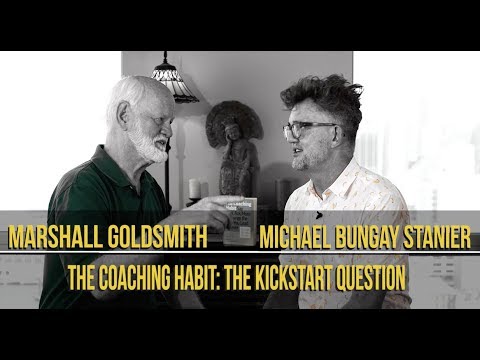
You know how sometimes you bump into someone who just gets it? Like, they have this way of making you see things differently? That’s Michael Bungay Stanier for you.
Este blog ofrece contenido únicamente con fines informativos, educativos y de reflexión. La información publicada no constituye consejo médico, psicológico ni psiquiátrico, y no sustituye la evaluación, el diagnóstico, el tratamiento ni la orientación individual de un profesional debidamente acreditado. Si crees que puedes estar atravesando un problema psicológico o de salud, consulta cuanto antes con un profesional certificado antes de tomar cualquier decisión importante sobre tu bienestar. No te automediques ni inicies, suspendas o modifiques medicamentos, terapias o tratamientos por tu cuenta. Aunque intentamos que la información sea útil y precisa, no garantizamos que esté completa, actualizada o que sea adecuada. El uso de este contenido es bajo tu propia responsabilidad y su lectura no crea una relación profesional, clínica ni terapéutica con el autor o con este sitio web.
His book, “The Coaching Habit,” is kind of a game-changer. You’ve probably heard about coaching—it’s everywhere lately. But Michael breaks it down into bite-sized bits that are super easy to digest.
Imagine having a toolkit for conversations that actually sticks! He’s all about making coaching simple and practical, which is sweet, right? Seriously, this isn’t some fluffy self-help mumbo jumbo; it’s real talk that just works.
So, let’s unpack what makes this book tick. Grab your favorite drink, get comfy, and let’s chat about some cool insights that could put a little pep in your step!
Evaluating the Coaching Habit: Is It a Valuable Read for Personal and Professional Growth?
When you pick up «The Coaching Habit» by Michael Bungay Stanier, you’re diving into a world where coaching is not just a buzzword, but a vital habit. It’s all about how to turn everyday conversations into powerful coaching moments. So, is it worth your time? Let’s break it down.
First off, Bungay Stanier emphasizes seven essential questions that can transform your approach to coaching. Seriously, by using these simple prompts, you can make discussions more meaningful and less about barking orders. Each question serves a purpose, challenging the norm of traditional management styles.
- “What’s on your mind?” This opens the door for real talk.
- “And what else?” It encourages deeper reflection and avoids surface-level answers.
- “What do you want?” Helps pinpoint desires and goals.
- “How can I help?” Puts you in a supportive role.
- “If you’re saying yes to this, what are you saying no to?” Encourages prioritization.
- “What was most useful here for you?” Promotes self-awareness and learning.
- “What do you want to do next?” Drives action forward.
Imagine playing a strategy game like chess. Each move requires thought and often reshapes the entire board. These questions are like strategic plays that help both the coach and the person being coached navigate their game better – whether it’s in work or personal life.
But here’s where it gets interesting: Bungay Stanier doesn’t just throw these questions out there; he also digs into some really practical tips on how to incorporate coaching into daily routines without feeling overwhelmed. I mean, come on! Who has time for elaborate training sessions? The idea is to make coaching part of those everyday chats we all have anyway.
To give an example from real life, I once had this boss who would regularly ask me “Where do you see yourself in five years?” It felt like an interview question, but when he followed up with “And what else?” after my initial answer, it opened up so many more layers. It turned our small talk into something much more productive.
That said, there’s no magic pill here. Yes, these strategies can enhance personal growth and professional development but they won’t fix every issue out there. If someone is experiencing deep-seated issues or mental health concerns – well that’s where professional help comes in handy!
In short, «The Coaching Habit» isn’t just about learning how to coach others; it’s also about encouraging self-reflection and growth within yourself. It’s digestible enough for anyone looking to improve their interactions at work or home without turning into a corporate robot.
So if you’re aiming for better communication at work or simply want to strengthen your relationships with friends or family members? This book could be just the right nudge toward developing those important coaching habits that can really shift perspectives—yours included!
The 7 P’s of Coaching: Essential Components for Effective Leadership and Development
Coaching is a super fascinating area, isn’t it? It’s all about guiding folks to reach their potential. If you’re curious about the core components that make coaching effective, let’s chat about the 7 P’s of Coaching. These elements are essential for effective leadership and development. They can help you or anyone else become better at facilitating growth in others. So, let’s break this down!
1. Purpose
The first P is all about having a clear purpose. What are you trying to achieve with your coaching? You need to know what goals you’re aiming for. For instance, if a soccer coach wants their team to improve defense, they’ll focus their strategies on defensive exercises during practice.
2. Presence
You’ve got to be present when coaching! This means being fully engaged in the moment with whoever you’re working with. If someone feels like you’re distracted, they won’t open up as much. Imagine trying to explain a game plan while your coach is checking their phone—totally unhelpful!
3. Process
Having a solid process in place makes things smoother. This could involve setting up regular check-ins or having a structure for how sessions will go. Think of it like a game plan—it gives everyone clarity and direction.
4. People
Understanding the people you’re coaching is key! Everyone has different strengths and weaknesses, so tailoring your approach makes a big impact. Just like in basketball, where players each have their own roles—like shooters vs defenders—you want to support unique talents.
5. Partnership
Coaching isn’t just about telling someone what to do; it’s about building a partnership based on trust and collaboration. You’re working together toward common goals! Like teammates harmonizing on the field—each player has input and feels valued.
6. Practice
The more you practice something, the better you get at it—right? Coaching requires ongoing practice too! Regularly revisiting skills helps reinforce what’s been learned and allows room for improvement over time.
7. Performance Metrics
Finally, tracking progress is super important! Using performance metrics helps measure success and identify areas that need work. Just as athletes monitor their stats—like goals scored or assists—you can track developmental milestones during coaching sessions.
All in all, these 7 P’s provide an effective framework for anyone looking to improve as a coach or leader! They reinforce that successful coaching revolves around understanding individuals and nurturing growth through structured guidance and collaboration.
Remember though—while these principles can significantly enhance your approach, they don’t replace professional help when it’s needed! Growth takes time and sometimes chatting with a pro can really make all the difference!
The Coaching Habit PDF: Unlocking Effective Coaching Techniques for Lasting Change
Coaching is one of those things that can really change lives. You know, helping someone figure out their challenges and unlock their potential? It’s powerful stuff! In Michael Bungay Stanier’s book, «The Coaching Habit,» he shares some fantastic techniques for effective coaching. So let’s unpack that a bit, shall we?
First off, let’s talk about **the importance of questions**. Stanier emphasizes that asking the right questions is key to coaching. Instead of telling someone what to do, you guide them through inquiry. This means you give them space to think. When you ask good questions, you’re not just filling air; you’re opening doors to new ideas and possibilities.
Here are a few essential questions from the book:
- What’s on your mind? – This is a great kickoff question. It helps them share what’s troubling them first.
- And what else? – This keeps the conversation flowing and digs deeper into their thoughts.
- What’s the real challenge here for you? – Pinpointing the core issue can lead to meaningful insights.
- What do you want? – Knowing what they truly want is crucial for setting goals.
- How can I help? – It opens up options for how you can support them without assuming what they need.
Now, during my time as a peer coach in college, I remember this one friend who was always stressed about his career choices. Every time we chatted, he seemed lost in endless advice from everyone around him. But after using Stanier’s techniques—especially **»What’s on your mind?»**—he began talking through his concerns rather than me just tossing suggestions at him.
Another concept from Stanier is the **habit-building aspect** of coaching. The idea here is that coaching shouldn’t feel like a chore. Really! If it feels natural and integrated into your daily routine, it’ll be more effective over time.
Stanier suggests creating small, consistent habits around coaching interactions. Think about how you might approach a game strategy; if every player learns their role over time with practice, they become better collectively!
Here’s how to integrate some habits:
- Set aside 10 minutes daily. Try asking meaningful questions during coffee breaks or casual chats!
- Create an environment for sharing. Optical illusion games show how perspective shifts can change outcomes—encouragement fosters openness too!
- Reflect together. After conversations, spend a moment discussing what went well or could improve.
It’s also vital to recognize that some people might resist this approach at first. Change can be tough! Just like when players aren’t used to playing as a team—creating trust takes time.
Remember though: even with these techniques at hand, there are limits to what’s possible through coaching alone. If someone’s dealing with deep emotional issues or traumas? Well—that’s where professional help comes in handy!
In short: Michael Bungay Stanier’s «The Coaching Habit» isn’t just about techniques; it’s about cultivating an attitude of curiosity and support in everyday interactions. Offering guidance through thoughtful questioning fosters lasting change over time.
So keep experimenting with these ideas! You may just find yourself unlocking potential in yourself and others along the way—and who wouldn’t want that?
You know what? I recently stumbled across Michael Bungay Stanier’s book, “The Coaching Habit,” and it got me thinking about how often we forget the power of simple questions in our daily lives. Seriously, it’s one of those books that makes you go “aha!” and think how you might’ve totally missed the boat on something so essential.
Bungay Stanier talks about just seven questions that can help us become better coaches—whether we’re coaching someone at work or just trying to help a friend through a tough time. I mean, how often do we find ourselves jumping straight into problem-solving mode without really listening? It’s like that moment when your friend comes to you with a dilemma, and instead of hearing them out, you’re already formulating your brilliant advice. Sound familiar?
There’s this part in the book where he emphasizes the importance of curiosity over advice-giving. That really hit home for me. I remember this one time my buddy was struggling with career choices, and instead of asking him what he really wanted—like what excited him—I just started listing out options based on what I thought he should do. Ugh, looking back, I clearly missed a chance to dig deeper into his feelings.
So, Bungay Stanier’s first question is super simple yet profound: «What’s on your mind?» It’s such an open-ended invitation! It allows the other person to express themselves without feeling squeezed into a box. Honestly, feeling safe enough to voice thoughts can sometimes be all someone needs.
Then there’s «And what else?» This one is gold! You think you’ve reached the core issue after one answer, but when you ask that follow-up question, it’s like peeling back layers of an onion—you find more depth and insight each time you peel away. Imagine just how many gems are hidden beneath those initial responses!
Bungay Stanier also encourages us not just to ask questions but to really listen—to be present in that moment. Isn’t it kind of ironic? We spend so much time chatting about our own lives, but being there for someone else can provide them with clarity they didn’t even know they were searching for.
And here’s the kicker: it doesn’t matter if you’re an expert coach or just trying to lend an ear; these questions apply universally. The reality is that many of us want to feel heard and understood before we dive into solutions. Plus, there’s something empowering for both parties when we shift from giving answers to fostering curiosity.
In the end, applying Bungay Stanier’s insights means transforming our everyday conversations into more meaningful exchanges. Next time someone opens up about their worries or dreams—be it at work or over coffee—you could truly change the game by simply asking: “What else?” Who knows? That might lead to some surprising revelations!