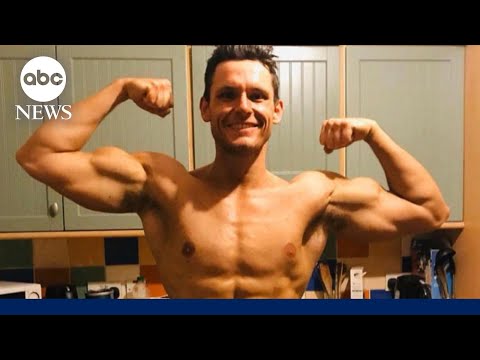
You know what? We often hear about body image struggles when it comes to women. But, let’s not kid ourselves—it’s a big deal for guys too. Seriously.
Este blog ofrece contenido únicamente con fines informativos, educativos y de reflexión. La información publicada no constituye consejo médico, psicológico ni psiquiátrico, y no sustituye la evaluación, el diagnóstico, el tratamiento ni la orientación individual de un profesional debidamente acreditado. Si crees que puedes estar atravesando un problema psicológico o de salud, consulta cuanto antes con un profesional certificado antes de tomar cualquier decisión importante sobre tu bienestar. No te automediques ni inicies, suspendas o modifiques medicamentos, terapias o tratamientos por tu cuenta. Aunque intentamos que la información sea útil y precisa, no garantizamos que esté completa, actualizada o que sea adecuada. El uso de este contenido es bajo tu propia responsabilidad y su lectura no crea una relación profesional, clínica ni terapéutica con el autor o con este sitio web.
Just think about it. How many times have you looked in the mirror and felt like you were falling short somehow? Maybe it’s that six-pack, or the perfect jawline, or whatever the latest trend is.
The pressure can be overwhelming! It’s like there’s this invisible standard we’re all supposed to meet, and let me tell you, it gets exhausting.
So, let’s chat about male dysmorphia—the hidden battles guys face regarding their bodies. I mean, it’s time we pull back the curtain on this topic and shine some light on those struggles. Sound good?
Understanding Men’s Body Image Struggles: Key Factors and Psychological Influences
When we talk about body image, we often focus on women, but guys are feeling the heat too. It’s a real thing, and it can seriously mess with how they see themselves. You might be surprised to know that men can also struggle with their appearance just like women do.
So what’s going on? First off, let’s chat about media influence. Think about the action heroes in movies or those ripped guys on magazine covers. They set an unrealistic standard that many men feel pressured to meet. It’s not just about being fit; it’s about being chiseled! What happens is, guys start comparing themselves to these images and might feel inadequate if they don’t measure up.
Then there’s the whole issue of mental health. Anxiety and depression can really play a role here. If a guy is feeling down about himself for whatever reason – job stress, relationship issues – he might fixate even more on his body image. It’s like a vicious cycle; negative feelings lead to negative thoughts about appearance, which can worsen mental health.
Another factor is social expectations. Society often expects men to be strong, tough, and self-confident. So if a guy starts feeling insecure about his looks, he may keep it bottled up because he doesn’t want to show vulnerability. This can lead to things like disordered eating or excessive exercise as ways to cope.
Let me share a little story with you: my friend Alex was always into fitness but never felt big enough. He loved playing sports and would scroll through social media seeing friends showcasing their muscular physiques. He ended up spending hours at the gym and barely eating—he thought that was the only way to “become” what he wanted to be. In reality, Alex was fine just as he was but got caught up in what everyone else seemed like.
Here are some key takeaways:
- Media Influence: Unrealistic portrayals of male bodies set high standards.
- Mental Health Effects: Anxiety and depression can exacerbate body image issues.
- Social Expectations: Pressure from society leads men to hide insecurities.
- Coping Mechanisms: Some turn to disordered eating or over-exercising.
- Anecdotes Matter: Real-life stories highlight personal struggles with body image.
The thing is, understanding these influences is super important for improving awareness around men’s body image struggles. It’s not something they should face alone; talking openly helps break down those barriers.
Men need safe spaces where they can express themselves without judgment; whether it’s friendships or support groups—having someone listen goes a long way! Remember though that if someone is really struggling with their body image or self-esteem issues, reaching out for professional help should always be considered.
In the end, everyone deserves to feel good in their skin—no matter what shape or size!
Understanding the Causes of Male Body Dysmorphia: A Focus on Psychological Factors
You know, when we think of body image issues, it often comes to mind that women are the main focus. But let’s talk about guys for a sec. Male body dysmorphia is a real struggle and can be just as intense. It’s not just about wanting abs or the perfect jawline; it goes deeper than that.
A lot of times, the media plays a big role in shaping how men feel about their bodies. Think about those superhero movies or video games you love, where every character has these unrealistically chiseled physiques. It gets in your head, right? The truth is, when you’re constantly exposed to these images, it can twist your perception of what a “normal” guy looks like.
So what’s going on psychologically? Here are some key factors to consider:
- Social Comparison: This is when you look at others and feel like you don’t measure up. Social media makes this worse by presenting edited versions of people’s lives.
- Fear of Judgment: Many guys worry about being judged based on their looks—whether it’s from peers or romantic interests. Imagine feeling anxious just going to the beach or hitting the gym.
- Cultural Expectations: Society often sets unrealistic standards for masculinity. You might feel pressure to be muscular and tough, which can lead to negative thoughts about your own body.
- Anxiety and Depression: These mental health issues can both contribute to and be caused by body dysmorphia. Sometimes it’s a vicious cycle—you feel bad about your looks, which makes you anxious or depressed.
You know what? I once spoke with a friend who was obsessed with his appearance because he felt insecure after comparing himself to influencers online. Every day he’d hit the gym more intensely but still felt like he wasn’t doing enough. This constant battle really hurt his mental well-being.
Moreover, guys tend to express their struggles differently than women do; they might not open up because it’s seen as “weak.” Some may turn to extreme measures—like excessive exercise or unhealthy diets—to try and achieve that perfect image they have in mind.
What’s wild is that this isn’t just happening on an individual level; research shows that male body dysmorphia can have wider implications too! It affects relationships and friendships since these insecurities can lead them to isolate themselves.
So here’s the deal: if you’re feeling overwhelmed by how you perceive your body, please consider reaching out for help! Talking to someone—whether it’s a friend or professional—can seriously make a difference. You don’t have to go through this alone.
Remember, everyone has their battles with self-image; some just happen beneath the surface. Let’s work towards understanding and supporting one another!
Understanding Bigorexia in Men: Symptoms, Causes, and Impact on Mental Health
Bigorexia, also known as muscle dysmorphia, is a condition that affects many men today. Imagine spending hours at the gym, feeling like you still don’t measure up to that ideal body. It’s like seeing a character in a video game who looks ripped and powerful while you’re just trying to level up your strength. This can seriously mess with your head.
So, what are the symptoms of bigorexia? Here’s a few key points:
- Obsessive focus on muscularity: Constantly thinking about how to get bigger or stronger.
- Excessive exercise: Spending too much time working out, often to the detriment of other activities.
- Dissatisfaction with appearance: Feeling like you’re never big enough, even after gaining muscle.
- Anxiety or depression: Feeling low when not working out or when comparing yourself to others.
- Nutritional extremes: Following strict diets or using supplements in unhealthy ways.
Now let’s get into what causes this condition. Well, it can be a mix of things:
- Sociocultural factors: Society promotes muscularity as an ideal for masculinity, pushing many men to strive for an unrealistic physique.
- Genetics: Some guys might be more prone to body image issues due to their family background.
- Psycho-emotional factors: Low self-esteem or past experiences can lead someone to over-identify with their muscles as a way to feel better about themselves.
And let me tell you: the impact on mental health can be serious. When you’re on this constant quest for the perfect body:
- You might find it hard to enjoy life outside of fitness. Social gatherings become stressful if there’s food involved.
- Your relationships could suffer because you might prioritize workouts over time spent with friends or family.
- Binge eating or substance abuse can happen as ways to cope with these feelings—they’re like trying different cheat codes in life but ending up stuck in boss mode forever!
Just recently, I was talking to a friend who had been through this cycle himself. He described it like being trapped in an echo chamber of negativity—seeing fitspo online made him feel worse instead of inspired. Instead of boosting his confidence, it made him doubt every inch of his body.
The thing is: if you’re feeling overwhelmed by any of this stuff; it’s perfectly okay to seek professional help. You don’t have to go through it alone! Speaking up about these feelings is super important—it takes guts but can lead you towards better mental health.
All in all, understanding bigorexia is key for recognizing those struggles around male body image. It’s all too easy to get caught in the trap of perfection when we compare ourselves constantly online or even among friends—don’t forget that everyone has their own journey!
You know, body image isn’t just a girl thing. It’s easy to think that way, but male dysmorphia is a huge deal too. I mean, if you’ve ever felt like your body doesn’t match up to what society expects, you’re definitely not alone.
Take my buddy Jake, for instance. He’s a solid dude—athletic build, plays sports every weekend—but he struggles with this ridiculous idea that he should look like those guys in fitness ads. One time we were hanging out and I noticed he kept checking himself out in the mirror. He said something like, “I wish my abs were more defined,” and it hit me how tough it must be for him. Here’s a guy with great abs already feeling pressure to be even more perfect! So crazy!
The truth is, media plays a big role here. Think about all the ripped guys you see on TV or social media—it’s like they’re living in another universe! Those images set some unrealistic standards. But what’s really wild is that guys can feel just as insecure as anyone else about their looks and bodies. It’s not just about wanting to look good; it’s a whole emotional rollercoaster.
You might wonder where all this pressure comes from? Well, there’s this expectation that men should be muscular and strong all the time. So when someone feels they don’t measure up, it can lead to anxiety and stress—seriously! There’s this constant battle between wanting to fit in with the so-called perfect image and accepting who you really are.
And then there’s the whole issue of talking about it. A lot of dudes don’t feel comfortable chatting about body image stuff because they fear being seen as weak or insecure—which is completely nuts! These conversations can actually help break down barriers and let people understand they’re not alone.
So yeah, male dysmorphia is real, impacting many lives quietly—it really deserves more attention than we give it sometimes. If you’re feeling those pressures or struggling with how you see yourself, know that you aren’t the only one grappling with those feelings. It’s okay to talk about it or even seek support if you need to—just remember: perfection doesn’t exist! And honestly? Embracing who you are is way more powerful than living up to some impossible standard out there.