So, let’s chat about personality for a minute. You know, that mix of quirks and traits that makes you, well, you. Ever thought about what really shapes who we are?
Este blog ofrece contenido únicamente con fines informativos, educativos y de reflexión. La información publicada no constituye consejo médico, psicológico ni psiquiátrico, y no sustituye la evaluación, el diagnóstico, el tratamiento ni la orientación individual de un profesional debidamente acreditado. Si crees que puedes estar atravesando un problema psicológico o de salud, consulta cuanto antes con un profesional certificado antes de tomar cualquier decisión importante sobre tu bienestar. No te automediques ni inicies, suspendas o modifiques medicamentos, terapias o tratamientos por tu cuenta. Aunque intentamos que la información sea útil y precisa, no garantizamos que esté completa, actualizada o que sea adecuada. El uso de este contenido es bajo tu propia responsabilidad y su lectura no crea una relación profesional, clínica ni terapéutica con el autor o con este sitio web.
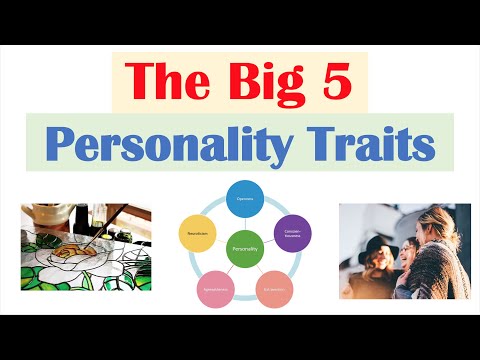
Enter the 5 Factor Model. Sounds fancy, right? But it’s super simple and kinda cool once you get into it.
Basically, it breaks down personality into five main traits. I mean, think of it like a personality pizza—each slice has its own flavor!
Why does this matter? Understanding these traits can seriously help you figure yourself out and maybe even improve your relationships with others. Sounds good!
Stick around; we’re about to dive into each trait. Trust me, this is gonna be fun!
Understanding the 5 Key Traits of Personality: A Comprehensive Guide
When we talk about personality, it’s like trying to understand a big puzzle made up of different pieces. One popular way to look at personality is through something called the Five Factor Model, which breaks it down into five key traits. Let’s take a closer look at each of these traits and see how they play out in our everyday lives.
- Openness to Experience: This trait is all about how open-minded and adventurous you are. People high in openness are usually curious, imaginative, and enjoy exploring new ideas or experiences. Think of it like a player who loves trying out all the different characters in a video game; they’re excited about what each one brings to the table.
- Conscientiousness: If you’re organized, responsible, and diligent, you score high on conscientiousness. It’s about being self-disciplined and striving for achievement. Picture someone who keeps their gaming gear perfectly arranged; they know where everything is and can jump right into action without wasting time!
- Extraversion: Are you the life of the party or do you prefer curling up with a great book? This trait reflects how outgoing or reserved you are. Extraverted folks thrive on social interaction, just like that friend who constantly gathers the crew for game night. They energize themselves around others!
- Agreeableness: This trait captures how compassionate and cooperative people are with others. High agreeableness means you’re friendly, empathetic, and willing to help out whenever possible. It’s like when you’re playing a co-op game and always choose to support your teammates instead of going solo.
- Neuroticism: Here we go with the more sensitive side! This trait indicates emotional stability; high neuroticism means someone might experience anxiety or mood swings more frequently. Think of that player who gets really stressed when they lose a match – yeah, that’s them! Low neuroticism users feel calm under pressure.
So there you have it! Each of these traits contributes to making us unique individuals, shaping how we think, behave, and relate to others. It’s important to remember that everyone lies somewhere on this spectrum; just because you’re lower in one area doesn’t make you less valuable as a person.
It’s also good to keep in mind that while this model can provide insights into our personalities, it doesn’t replace talking to mental health professionals if you’re feeling overwhelmed or struggling with issues related to these traits.
Understanding these five factors can help us better navigate relationships—whether they’re friendships, work dynamics, or even casual encounters over gaming strategy! So next time you’re hanging out with friends or battling it out online, think about how different personalities shine through in those interactions.
Understanding the Big 5 Model of Personality: Key Concepts and Implications
So, let’s talk about the Big 5 Model of Personality, or what some folks call the Five Factor Model. It’s a way of understanding how we all tick. Basically, it breaks down our personalities into five key traits. You might’ve heard of them being described as OCEAN: Openness, Conscientiousness, Extraversion, Agreeableness, and Neuroticism. Let’s dive into each one!
- Openness: This trait reflects your willingness to try new things and be imaginative. If you’re someone who loves exploring new ideas or enjoys artistic experiences, you might score high here. Think of a character in a game who loves to explore every nook and cranny for hidden treasures – that’s openness in action!
- Conscientiousness: If you’re diligent and organized, this trait is your jam. People who score high on conscientiousness tend to plan ahead and pay attention to details. They’re like the players in strategy games who meticulously organize their resources to win – they think ahead and it pays off.
- Extraversion: This one’s all about energy! Are you the life of the party or do you prefer quiet nights in? Extraverts thrive on social interactions and often feel recharged by being around others. Imagine that outgoing character in a multiplayer game rallying everyone for an epic quest – that’s classic extraversion.
- Agreeableness: If you’re sympathetic and cooperative, then you likely have high agreeableness. These people are typically warm-hearted and trusting. Picture a healer character in an RPG, always looking out for their team members – they just want everyone to get along!
- Neuroticism: This trait measures emotional stability. Those who score low here tend to be more calm and resilient when life throws curveballs; higher scores might indicate more anxiety or mood swings. Think of characters in video games who panic under pressure versus those who remain level-headed during critical moments.
You see how these traits can help explain our behaviors? The cool part is that knowing where you fall on each spectrum can help inform your choices—like what careers might fit your style or how you interact with others.
An emotional moment I remember was playing a cooperative game with friends where my tendency toward conscientiousness helped us stay organized while my buddy’s openness led us into uncharted territories for epic loot! We balanced each other out perfectly thanks to our different traits. And it made me realize how much personality shapes not just our actions but our connections with others too.
This model doesn’t mean you’re stuck in a box though; it simply gives insight into tendencies rather than strict definitions. Many factors influence personality! Plus remember that this isn’t a substitute for professional help if you’re struggling with deeper issues.
So there it is—understanding these five traits adds another layer to figuring ourselves out! It opens doors not only in personal growth but also improves interactions with friends, family, or even strangers online.
Understanding the 5 Factor Model: Key Traits of Personality Explained (PDF Guide)
So you’re curious about the 5 Factor Model of personality, huh? It’s pretty fascinating stuff! Basically, this model breaks down human personality into five key traits. Think of it like painting a picture of who you are. Each of these traits helps to define your behavior and how you interact with the world around you.
Let’s jump into it!
1. Openness to Experience
This trait measures your willingness to try new things. If you’re someone who loves to explore different ideas, foods, or even hobbies, then you’ve got high openness. People with this trait tend to be creative and curious. They might be the ones who dive into a new video game or explore unique genres of music without hesitation.
2. Conscientiousness
Here’s where we talk about organization and dependability. High conscientiousness means you’re planned and disciplined, like that friend who always has their assignments done way before deadline. On the flip side, low conscientiousness might mean someone is more spontaneous—think of that buddy who decides to go on a road trip last minute without packing!
3. Extraversion
This trait is all about where you get your energy from—people or solitude? If you’re outgoing and energized by social events, you’ve got high extraversion! You’re probably the life of the party or the one rallying everyone for a game night. Low extraversion means you enjoy chill time alone or with just a few close friends—you recharge in quieter settings.
4. Agreeableness
Ever wondered how cooperative and friendly you are? That’s agreeableness for ya! High agreeableness means you’re likely compassionate and good at seeing things from others’ perspectives—perfect for resolving conflicts in any group setting (like team games!). On the contrary, low agreeableness might mean you’re more competitive, straightforward—or maybe even blunt when giving opinions.
5. Neuroticism
This trait deals with emotional stability versus emotional instability. High neuroticism means you’re more prone to stress or anxiety; maybe situations make you feel overwhelmed easily—like losing a critical match in your favorite game can really get under your skin! Meanwhile, low neuroticism indicates that you’re generally calm and less affected by life’s twists and turns.
All these traits form what’s known as a personality profile—a unique blend that makes you who you are! It’s essential to remember that none of these traits exist in isolation; they work together like pieces in a puzzle.
And hey, while this model is super insightful for understanding yourself better—or even helping evaluate friends—it doesn’t replace professional help if you’re facing deeper issues. Always seek guidance if needed!
In short, understanding these five factors can help clarify not just our behaviors but also pave the way for better relationships—with ourselves and others too! How cool is that?
So, let’s chat about the 5 Factor Model of personality. Ever heard of it? It’s one of those things that can really help you understand yourself and the people around you a bit better. Basically, it says that everyone’s personality can be broken down into five key traits. Sounds simple enough, right? But trust me, there’s a lot more to it.
The first trait is Openness. This one’s all about how open-minded and adventurous you are. Some people are super curious; they want to try new things like traveling or picking up weird hobbies (like crochet or something). Others? They prefer their comfort zone like a warm blanket on a cold night! Personally, I’ve always been the adventurous type—remember that time I signed up for salsa dancing classes without knowing how to dance? Yeah, that was wild!
Next up is Conscientiousness. If you’re conscientious, you’re probably organized and reliable: like that friend who always remembers your birthday and shows up on time with cake in hand. On the flip side, some folks are a bit more laid-back when it comes to life; they might forget important dates or lose their keys half the time—but hey, that’s part of their charm too!
Then we have Extraversion. Ahh yes! This is where things get lively! Extraverts thrive on socializing; they light up a room like confetti at a party. But then there are introverts who recharge by spending time alone with their favorite book or Netflix series. I mean, I admire how my introverted friend can binge-watch an entire season without blinking—they’re basically pros at self-care!
The fourth trait is Agreeableness—it talks about how friendly and compassionate you are towards others. If you’re agreeable, chances are people find you super easy to get along with; it’s like being the warm cookie in the cookie jar! But some may lean towards being more competitive or skeptical—which isn’t bad either; sometimes we need those folks to challenge ideas and keep discussions lively.
And finally—drumroll please—is Neuroticism! This trait deals with emotional stability (or not). You know those times when everything just feels overwhelming? That’s your neuroticism sneaking in! High neuroticism means you’re often anxious or moody while low neuroticism suggests you handle stress like a champ—cool as ice under pressure!
You see how these traits intertwine in all of us? And understanding them can shed light on why we act the way we do! It’s pretty neat thinking about friends and family through this lens; everyone has unique blends of these five traits that make them who they are.
In my experience, reflecting on these traits has helped me navigate relationships too—like realizing my super conscientious buddy needs plans laid out ahead of time but my spontaneous friend prefers going with the flow. Makes everything smoother and less… chaotic.
So next time you’re chatting with someone, think about what traits they’re showing! It’s kind of fun to see personality through this framework—you might even discover something new about yourself along the way! And honestly? That’s what makes this whole human experience interesting—the quirks, struggles, and traits we all bring to the table together.