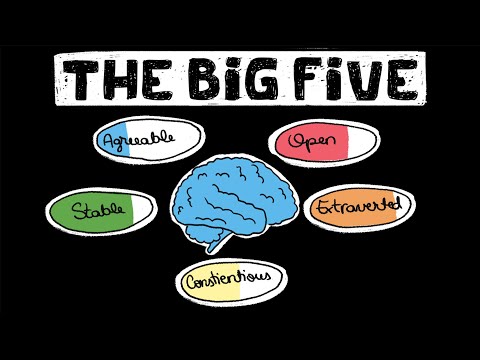
You know how some people are just super outgoing while others prefer chilling at home? Well, it all comes down to personality.
Este blog ofrece contenido únicamente con fines informativos, educativos y de reflexión. La información publicada no constituye consejo médico, psicológico ni psiquiátrico, y no sustituye la evaluación, el diagnóstico, el tratamiento ni la orientación individual de un profesional debidamente acreditado. Si crees que puedes estar atravesando un problema psicológico o de salud, consulta cuanto antes con un profesional certificado antes de tomar cualquier decisión importante sobre tu bienestar. No te automediques ni inicies, suspendas o modifiques medicamentos, terapias o tratamientos por tu cuenta. Aunque intentamos que la información sea útil y precisa, no garantizamos que esté completa, actualizada o que sea adecuada. El uso de este contenido es bajo tu propia responsabilidad y su lectura no crea una relación profesional, clínica ni terapéutica con el autor o con este sitio web.
I mean, everyone’s different, right? And that’s where the Big Five Personality Model comes into play. It’s like a map of our traits.
Curious about what makes you tick or why your best friend is such a perfectionist? You’re not alone! We’re diving into the five big traits that shape who we are.
Trust me, it’s pretty cool stuff. So, sit back and let’s figure out this whole personality thing together!
Comprehensive Guide to the Big Five Personality Model and Its Traits (PDF Download)
The Big Five Personality Model, also known as the Five Factor Model, is a cool way to understand human personality. Imagine meeting someone for the first time. What do you notice? Their openness, how extroverted they are, or maybe their level of agreeableness. That’s where this model comes in handy.
So here’s a quick rundown of the five main traits:
- Openness to Experience: This trait reflects your willingness to try new things. People high in openness often enjoy adventure, creativity, and exploring novel ideas. Think of someone who dives into new video games because they’re curious about the gameplay mechanics and storylines.
- Conscientiousness: If you’re organized and dependable, you likely score high on conscientiousness. It’s all about being disciplined, responsible, and having good self-control. Picture your friend who has all their homework done before the deadline—yeah, that’s conscientiousness at play!
- Extraversion: This one’s all about how energized you feel around others. Extraverts love socializing and are often seen as outgoing and enthusiastic. You know how some folks can light up a room with their presence? That’s extraversion shining through!
- Agreeableness: Agreeable people are generally kind-hearted and cooperative. They value getting along with others and tend to be empathetic. Imagine playing a cooperative game where everyone works together—it usually goes smoother with agreeable players.
- Neuroticism: This trait measures emotional stability. High neuroticism means more mood swings or anxiety; low neuroticism suggests resilience under stress. Think of it like in a game where some characters handle failure gracefully while others get flustered easily.
These traits exist on a spectrum—meaning everyone falls somewhere along each characteristic rather than being definitively one way or another.
When you mix these traits together, it creates a unique personality profile for each individual! For instance, someone who is high in openness but low in conscientiousness might be super creative but struggle with organization.
Now here’s an interesting side note: understanding this model can actually boost your self-awareness! Like when you realize you’re super open but maybe not as agreeable—you can work on being more collaborative in group settings.
Lastly, remember that while this model gives great insights into personality types, it doesn’t replace professional help if you’re seeking deeper psychological guidance or therapy.
So there ya go! The Big Five offers a structured yet flexible approach to understanding yourself and those around you—making interactions just a little bit clearer (and more fun).
Understanding the Big Five Personality Test: Key Traits and Their Impact on Behavior
So, let’s talk about the Big Five Personality Test! It’s like a personal map of your personality, showing different traits that define how you think, feel, and act. This model identifies five key traits that can help you understand yourself or others a little better.
1. Openness to Experience: This trait is all about your willingness to try new things and embrace change. People high in this characteristic tend to be imaginative and curious. They might enjoy exploring unique hobbies or listening to new types of music. On the flip side, those low in openness may prefer routines and traditional activities. Think of it as the difference between someone who’d love a spontaneous road trip versus someone who prefers their couch on movie night.
2. Conscientiousness: If you’re organized and dependable, you probably score high on conscientiousness! This trait involves being disciplined and having a strong sense of duty. People with high levels in this area often make great planners because they like to set goals and follow through on them. This could be as simple as sticking to a study schedule or keeping your workspace tidy. Those lower on this scale may struggle with procrastination or may not prioritize their responsibilities as much.
3. Extraversion: Here’s where it gets interesting—extraversion reflects how outgoing or sociable you are! Extravagant folks thrive in social settings and often feel energized by being around others, like when you’re at a party dancing with friends. Introverts, meanwhile, might need alone time to recharge after social interactions; they find comfort in quieter environments where they can reflect or dive into a good book.
4. Agreeableness: This one’s all about how well you get along with others! Agreeable people are typically compassionate, kind-hearted, and eager to help out their friends—think about someone who always volunteers for community service projects! Those lower in agreeableness might be more competitive or critical but don’t stress; both types have their own strengths in different situations.
5. Neuroticism: Now, here’s where it gets real—neuroticism refers to emotional stability or instability! High levels mean you might experience anxiety or mood swings more frequently; for example, maybe you’re that friend who gets nervous before group presentations at school. On the other end of the spectrum are those with low neuroticism—they’re generally calm and composed even during stressful moments.
So why does this all matter? Understanding these traits can totally change how we interact with ourselves and others! You might notice why your friend hates trying new food when you’re adventurous about dining experiences—or why one colleague seems so relaxed while another stresses over deadlines.
It’s important to remember, though: these tests aren’t definitive labels but tools that can help us better grasp our personalities—and those of others around us! If you ever feel overwhelmed by your traits or how they affect your life, it could be helpful speaking with a professional who knows their stuff.
All in all, grasping these five traits lets us appreciate not just ourselves but also the wild variety of personalities we encounter every day!
Downloadable PDF Guide to the Big Five Personality Traits
When you hear people talk about personality traits, they’re often referring to the Big Five Personality Traits. This model breaks down who we are into five core traits: Openness, Conscientiousness, Extraversion, Agreeableness, and Neuroticism. Think of it as a neat little toolbox to understand yourself and others a bit better.
Let’s get into it! Here are the five traits:
- Openness: This trait reflects your willingness to try new things. Are you adventurous? Love exploring new ideas or cultures? High openness might mean you enjoy things like traveling or creative pursuits.
- Conscientiousness: If you’re organized, responsible, and reliable, you might score high here. People with this trait like planning ahead and sticking to goals. They often do well in school or work environments.
- Extraversion: This one’s about how outgoing and social you are. If you love meeting new people or being the life of the party, welcome to the extraversion club. More introverted folks recharge by spending time alone.
- Agreeableness: Do you trust easily and get along with others? High agreeableness means you’re compassionate and friendly. Those lower down on this scale might be more competitive or skeptical.
- Neuroticism: It’s all about emotional stability. If you’re quick to stress out or feel anxious, then neuroticism could be a trait of yours. On the flip side, those low in neuroticism generally handle stress better.
So why does this matter? Well, understanding where you fall on these traits can really help in your relationships, work life, and overall mental well-being. For instance, if you’re highly neurotic at work but have a conscientious streak too, maybe you’d thrive in structured environments where there’s clear feedback.
I remember playing a strategy game with friends where we had to make decisions that reflected our personalities—like taking risks versus playing it safe. Those who were more open were always eager to explore uncharted territories in the game while the conscientious ones were focused on gathering resources first before jumping into combat. It was cool seeing how our Big Five traits shaped our gameplay!
In the end though—and here’s an essential point—this model doesn’t put you in a box or define your entire being. People are complex! The insights from these traits can be handy for self-reflection but don’t forget that they can’t replace professional help if you’re struggling with deeper issues.
If you’re looking for more structured info on this stuff—like activities that help assess your personality—you might find downloadable PDFs useful! They can give deeper insights but remember: always pair them with professional advice if needed!
So, let’s talk about the Big Five Personality Model. You know? It’s one of those concepts that can really open your eyes to how we, as humans, tick. Just thinking about it takes me back to a time when I was trying to figure out my own personality. I remember sitting with a friend at our favorite coffee shop, chatting about personality quizzes and how they seem fun but also kind of deep? It was wild to think we might be more predictable than we thought!
Alright, the Big Five includes five major traits: openness, conscientiousness, extraversion, agreeableness, and neuroticism. Sounds fancy, right? But trust me; it’s super relatable. Let’s break them down a bit.
Openness is all about being curious and open-minded. If you love trying new foods or exploring new ideas—yeah, that’s you! People high in this trait usually embrace creativity and adventure. Like my buddy who insists on going somewhere new every weekend just to shake things up—I mean wow!
Then there’s conscientiousness; this one is about being organized and dependable. Think of that friend who always has their life planned out—like they’ve got spreadsheets for everything! They’re usually the ones who show up on time and have a game plan ready.
Extraversion is such an interesting one because it involves social energy. Are you the life of the party? Or do you prefer quiet nights in? Those high in extraversion thrive on social interactions and often feel energized by being around others—kinda like my friend who could talk to a lamp for hours!
Now let’s chat about agreeableness. This trait reflects how much you care for others’ feelings. It shows kindness and empathy too! If you’re always looking out for your friends or volunteering your time—you get it! You’re likely high on this scale.
Finally, we have neuroticism; this one is a bit tricky but super important. People with high levels can feel anxious or moody more often compared to others. You know those days when everything feels like it’s crashing down? That can be part of this trait.
All these traits paint such an interesting picture of who we are as individuals. And here’s where it gets really cool: everyone has their own mix of these five traits that make them unique! We tend to think we know ourselves pretty well until we start thinking about our personality in terms of these dimensions.
So next time you’re hanging out with friends or facing tough situations at work or in your relationships pause for just a sec and think about which traits might be coming into play. It could change how you view yourself or even how you understand other people around you—kind of mind-blowing when ya think about it!
At the end of the day, embracing our quirks while understanding ourselves better is pretty valuable stuff! Who knew thinking about personality could stir up so much reflection? Seriously though, sometimes just pausing to consider these things can make all the difference in how we connect with each other.