Hey you! Have you ever felt your heart racing and palms sweating when life throws a curveball your way? Yeah, me too. That gut-wrenching feeling can be totally overwhelming, right?
Este blog ofrece contenido únicamente con fines informativos, educativos y de reflexión. La información publicada no constituye consejo médico, psicológico ni psiquiátrico, y no sustituye la evaluación, el diagnóstico, el tratamiento ni la orientación individual de un profesional debidamente acreditado. Si crees que puedes estar atravesando un problema psicológico o de salud, consulta cuanto antes con un profesional certificado antes de tomar cualquier decisión importante sobre tu bienestar. No te automediques ni inicies, suspendas o modifiques medicamentos, terapias o tratamientos por tu cuenta. Aunque intentamos que la información sea útil y precisa, no garantizamos que esté completa, actualizada o que sea adecuada. El uso de este contenido es bajo tu propia responsabilidad y su lectura no crea una relación profesional, clínica ni terapéutica con el autor o con este sitio web.
Well, here’s the thing: it all comes down to this little guy called cortisol. It’s like your body’s alarm system that goes off when things get tough.
So, let’s chat about cortisol and what it really does in response to stress. You’ll see how this hormone affects not just your mood but also everything else going on in your body. Sound good? Let’s jump in!
The Role of Cortisol in the Body’s Stress Response Mechanism
Stress. It’s something we all deal with in one way or another. And when stress hits, our body has this amazing way of responding. One of the key players in that response is a hormone called **cortisol**. So, what’s the deal with cortisol, and how does it fit into the stress response? Let’s break it down.
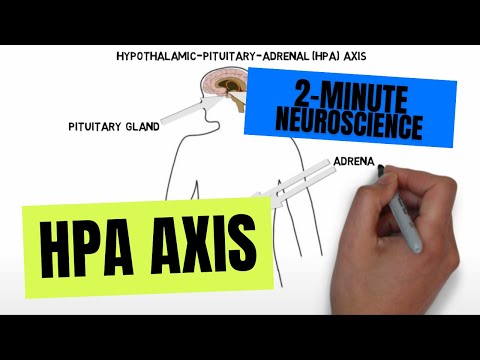
When you encounter a stressful situation—maybe you’re late for an important meeting or about to take a big test—your body kicks into gear. It activates what we call the **hypothalamic-pituitary-adrenal (HPA) axis**. This is basically your body’s alarm system. Here’s how it works:
- Hypothalamus: This little part of your brain releases corticotropin-releasing hormone (CRH).
- Pituitary Gland: In response, the pituitary gland releases adrenocorticotropic hormone (ACTH).
- Adrenal Glands: Then, the adrenal glands release cortisol into your bloodstream.
Cortisol is often referred to as the «stress hormone.» But hey, don’t get it twisted! It’s not all bad news. While high levels of cortisol can be harmful if they stick around too long, cortisol itself actually serves some pretty important functions.
For starters, cortisol helps you **mobilize energy** during stressful times. Think about it this way: When you’re in a pinch—like when an enemy approaches in a video game—you need to react fast! Your body uses cortisol to convert proteins and fats into glucose. Fast energy? Yes, please!
But there’s more! Cortisol also plays a role in regulating other things like blood sugar levels and even immune responses. However, like a double-edged sword, too much of it can lead to issues like anxiety and weight gain. So yeah, balance is key!
Let me share a quick story here: I once knew someone who was super stressed at work—always had that “fight-or-flight” feeling buzzing through them 24/7. Over time, they noticed their weight creeping up and felt exhausted all the time. Turns out their cortisol levels were probably through the roof due to constant stress! Once they started focusing on relaxation techniques and finding ways to manage their stress better? Things turned around for them.
In addition to that personal experience, let’s consider some common signs of high cortisol levels:
- Weight gain around the midsection.
- Sleep disturbances: Can’t sleep? That might be your cue!
- Constant fatigue or feeling drained.
And just as a little heads-up: It’s always good practice to chat with someone if you feel overwhelmed by stress—whether that’s a friend or professional help.
In summary, while **cortisol** plays an essential role in how our bodies respond to stress—from providing energy on demand to helping regulate various functions—it’s vital for us not let that hormone run wild inside us! I mean, nobody wants unwanted side effects from our own biology.
So next time you’re faced with stress and feeling that fight-or-flight sensation creep up on you? Just remember what’s happening behind the scenes with cortisol and know there are ways to bring balance back into your life!
Cortisol Levels and the Body’s Stress Response: Understanding the Connection
So, let’s chat about cortisol. You know that feeling when life throws you a curveball? Cortisol is the hormone that kicks in during those stressful moments. It’s like your body’s alarm system, getting you ready to face whatever’s coming, but it can totally be a double-edged sword.
Cortisol is produced by the adrenal glands, which sit on top of your kidneys. When you’re stressed, these glands pump out cortisol into your bloodstream. This isn’t just random; it’s part of your body’s stress response, often called the «fight or flight» response. It’s like when you’re playing an intense video game and suddenly a boss appears—your heart races and you’re hyper-alert.
- What cortisol does: It helps increase your energy by converting fat and sugar into usable fuel.
- It also affects other bodily functions: Think blood pressure, immune response, and even mood.
- Cortisol can improve memory: During high-stress situations, it may sharpen your focus—making you better at dodging that virtual fireball!
You probably know this already, but not all stress is bad. Little bursts of cortisol can actually help keep you sharp for challenges. But here’s the kicker: if stress sticks around for too long, well, that’s when things go haywire.
Imagine this: you’re cramming for finals or juggling work deadlines. Your body keeps cranking out cortisol because it thinks it needs to keep gearing up for battle. But instead of winning any awards, prolonged high levels can lead to some not-so-fun stuff like anxiety or even weight gain.
- Too much cortisol over time can:
- Cause sleep issues—ever notice how stress makes it harder to snooze?
- Affect digestion—hello tummy troubles!
- Impact mood—leading to irritability or depression.
This gets tricky because symptoms of high cortisol can sneak up on you. You might chalk it up to being busy when really it’s more about how stressed you’ve been feeling lately.
If you’re thinking about managing those pesky cortisol levels better (without professional help), there are some steps you could try out! Regular exercise is a biggie; it helps release endorphins which counterbalance that pesky stress hormone. Also, don’t underestimate the power of deep breathing—you know the kind where people say «take a breath»? Yeah, they’re onto something!
The key takeaway? Cortisol is crucial for handling short-term stress but becomes problematic when levels stay high for too long. So give yourself a break once in a while; treat yourself to something fun! And remember: If you’re feeling overwhelmed or suspecting serious issues with your stress levels or mental health, reaching out to someone who knows their stuff professionally is always smart.
Understanding the Symptoms of High Cortisol Levels in Women: A Comprehensive Guide
Stress is something we all deal with, but did you know that your body has a way of responding to it? Enter cortisol, the «stress hormone.» It’s produced by your adrenal glands and plays a big role in how you handle stressful situations. But when cortisol hangs around too long, especially in women, it can lead to some not-so-fun symptoms. Let’s break this down.
What Does Cortisol Do?
Cortisol helps your body respond to stress. Think of it as your body’s emergency brake. When you’re faced with a stressful situation—like a job interview or a family crisis—your body releases cortisol to help you react quickly. It boosts your energy, focuses your attention, and even helps reduce inflammation. But if you’re constantly stressed, well, that’s where things can get messy.
Symptoms of High Cortisol Levels
So what happens when there’s too much cortisol? Here are some symptoms to look out for:
- Weight Gain: Especially around the abdomen and face. If you’ve noticed those love handles getting a bit more love lately, high cortisol might be sneaky behind the scenes.
- Fatigue: Feeling tired even after a full night’s sleep? That could be due to overstimulation from high cortisol levels.
- Mood Swings: Increased anxiety or irritability can come into play when your stress hormone is out of whack.
- Sleep Issues: Trouble falling asleep or staying asleep? Cortisol can disrupt your sleep cycle like an annoying alarm clock that just won’t quit.
- Premenstrual Symptoms: Women might experience worsened PMS due to high stress and elevated cortisol levels impacting hormones.
You see how these symptoms overlap with regular life stressors? It can be kind of confusing!
Anecdote Time!
I once had this friend who was always on edge about work deadlines. She was super focused during the day but would lie awake at night stressing about what was next on her plate. Eventually, she noticed gaining weight despite hitting the gym regularly and was feeling exhausted all the time! Turns out, her cortisol was through the roof! Once she learned how to manage her stress better—like incorporating yoga and meditation into her routine—she felt lighter in every sense of the word.
Long-Term Effects
If high cortisol sticks around for too long, it can lead to serious health concerns like heart disease or diabetes. So taking care of yourself isn’t just about feeling good today; it’s also about keeping those scary health risks at bay tomorrow.
Coping Strategies
You don’t have to let high cortisol ruin everything! Here are some strategies that may help:
- Meditation: Even just five minutes a day can make a difference in calming your mind.
- Adequate Sleep: Prioritize sleep like it’s an Olympic sport! Quality rest helps regulate hormones.
- Nourishing Food: Eating whole foods often balances hormone levels better than fast food does.
- Physical Activity: Regular exercise is one of the best ways to combat high stress levels!
Just remember: these strategies are not meant to replace professional help. If you’re worried about your health or symptoms don’t improve with lifestyle changes, definitely reach out to a healthcare provider.
In short—you’ve got this! With awareness and proactive steps, managing high cortisol levels doesn’t have to feel overwhelming. Just take it one step at a time!
You know, stress can hit us in so many ways, right? Sometimes it’s just a little annoyance, like when you’re stuck in traffic or your coffee order gets messed up. Other times, it feels like a full-blown tornado tearing through your life. And guess what? That’s where cortisol comes into play.
Cortisol is often called the «stress hormone,» but it does a lot more than just hanging out when you’re stressed. Think of it as your body’s built-in alarm system. When you face something stressful, like an exam or a big presentation at work, your brain signals your adrenal glands to release cortisol. This hormone helps get your body ready to tackle whatever’s coming at you. Your heart rate picks up, and energy surges—like getting a shot of espresso without actually drinking coffee!
I can remember this one time before a big performance—I was so nervous I felt like I could float away! But when the curtain went up and the lights hit me, that little rush of cortisol kicked in. I felt focused and ready to go! It was like my body was cheering me on. But here’s the kicker: too much cortisol over time isn’t great. It can mess with our mood, sleep patterns, even our immune system. Imagine running on fumes with no refill station in sight—exhausting!
And here’s something that blew my mind: prolonged stress can keep our cortisol levels high for too long, leading to all sorts of health issues down the road. You might find yourself feeling anxious or maybe even snagging an upset stomach more often than you’d like.
It’s all about balance, really. A little bit of stress now and then is normal; it’s part of being human! We need that adrenaline rush sometimes to motivate us through challenges—like getting that last-minute project done or pushing through an intense workout.
But let’s not forget about self-care—it helps lower those cortisol levels and gives our bodies a chance to chill out after those hectic moments. Whether it’s taking a walk outside, meditating for a few minutes, or just grabbing coffee with a friend—it all counts!
So yeah! Cortisol plays this crazy role in how we handle stress—bringing both good and bad vibes into our lives depending on how we manage it. Isn’t it wild how our bodies work? Just goes to show you; there’s always more beneath the surface when it comes to understanding ourselves!