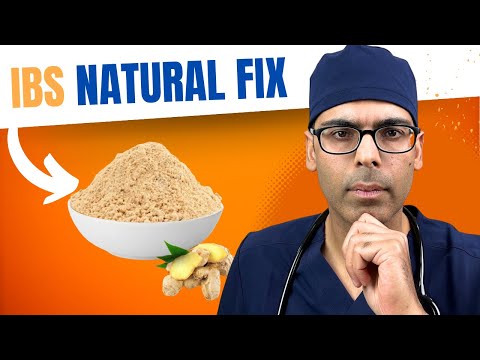
Hey you! Let’s chat about something that’s a bit of a taboo topic—IBS, or Irritable Bowel Syndrome. Yeah, I know, it’s not exactly dinner conversation, but it affects a ton of people.
Este blog ofrece contenido únicamente con fines informativos, educativos y de reflexión. La información publicada no constituye consejo médico, psicológico ni psiquiátrico, y no sustituye la evaluación, el diagnóstico, el tratamiento ni la orientación individual de un profesional debidamente acreditado. Si crees que puedes estar atravesando un problema psicológico o de salud, consulta cuanto antes con un profesional certificado antes de tomar cualquier decisión importante sobre tu bienestar. No te automediques ni inicies, suspendas o modifiques medicamentos, terapias o tratamientos por tu cuenta. Aunque intentamos que la información sea útil y precisa, no garantizamos que esté completa, actualizada o que sea adecuada. El uso de este contenido es bajo tu propia responsabilidad y su lectura no crea una relación profesional, clínica ni terapéutica con el autor o con este sitio web.
So, here’s the deal: if you’ve ever felt bloated, gassy, or just plain uncomfortable after eating, you’re not alone. It can totally mess with your day. Seriously, who wants to deal with that?
The good news? You don’t have to just put up with it. There are natural remedies and solutions out there that could help ease those annoying symptoms.
In this little talk, we’ll explore some of these effective options so you can get back to feeling like yourself—without all the drama. Ready? Let’s dig in!
The Primary Trigger of IBS: Understanding the Connection Between Gut Health and Psychological Factors
Did you know that there’s a fascinating connection between your gut health and your mind? It’s true! The way we feel emotionally can really mess with our digestive system, particularly in conditions like Irritable Bowel Syndrome (IBS). So, let’s break this down.
First off, IBS is not just your typical stomach ache. It can cause all sorts of symptoms including bloating, gas, diarrhea, and constipation. One of the primary triggers of IBS is stress. When you’re feeling anxious or overwhelmed, your body reacts in ways that can mess with how your gut operates. Seriously, your gut and brain are like best buds! They communicate constantly through something called the gut-brain axis.
Stress and emotions can set off a chain reaction in your digestive system. Think about it like this: when you feel stressed out—like during a tough game or exam—your body goes into fight-or-flight mode. This leads to changes in digestion which might exacerbate IBS symptoms. Ever had “butterflies” in your stomach before a presentation? That’s exactly it!
Now let’s consider some key psychological factors related to IBS:
- Anxiety: Higher anxiety levels can increase intestinal sensitivity.
- Depression: While it may seem unrelated, depression often affects appetite and eating habits.
- Stress management: Learning effective strategies can help regulate those pesky symptoms.
It’s also essential to understand how bacteria in the gut, known as gut microbiota, play a role here. A healthy balance of bacteria can keep our digestive systems running smoothly. But when psychological factors kick in, they might throw this balance off-kilter. This imbalance could lead to or worsen IBS symptoms.
Coping strategies are crucial for managing both mental health and IBS:
- Meditation: Just ten minutes a day could significantly improve stress and create a calmer mind.
- Adequate sleep: Sleep disturbances can aggravate both anxiety and digestive issues.
- Nutritional choices: Eating fiber-rich foods helps maintain good bacteria levels while avoiding triggers is vital.
On the nutrition front—what we eat really does matter. Foods high in probiotics (like yogurt) might help soothe some IBS symptoms by boosting those friendly gut bacteria.
Let me share an example from my own life—a friend once mentioned how their IBS flared up before an important job interview. They were so nervous that their stomach just couldn’t handle it! Afterward, they started trying mindfulness techniques to ground themselves during stressful times—and wow! It made a huge difference.
In all honesty though, while lifestyle changes and stress management techniques have helped many people with IBS symptoms, always remember: it’s important to consult with healthcare professionals for personalized advice! You don’t wanna skip out on professional help because everyone’s story is different.
So yeah, understanding the connection between gut health and psychological factors opens up new avenues for managing IBS. Who knew that feeling better mentally could lead to feeling better physically too? It’s kind of an amazing little loop we find ourselves in!
Effective Strategies to Flush Out IBS: A Comprehensive Guide
Sure! Here’s a friendly, informative piece on strategies for managing IBS, formatted as you requested:
Irritable Bowel Syndrome (IBS) can be a real pain—literally and figuratively. If you’re struggling with it, you’re not alone. Lots of people deal with IBS symptoms like bloating, cramping, and unpredictable bowel habits. While it’s essential to chat with a healthcare professional for personalized advice, there are some effective strategies you might consider trying out.
- Dietary Changes: What you eat can have a huge impact on how your gut feels. Keeping a food diary can help identify any triggers. Common culprits include dairy, gluten, and high-fat foods.
- Fiber Intake: Increasing your fiber intake may help regulate your bowel movements. Think about adding more fruits, vegetables, and whole grains to your meals. Just remember to increase fiber gradually; otherwise, it could backfire!
- Hydration: Drinking plenty of water is essential for digestion. Aim for at least 8 cups a day—it helps keep things moving smoothly in the digestive tract.
- Probiotics: These «good bacteria» can help balance gut flora. You might find probiotics in yogurt or as supplements; they’re worth considering if you’re feeling off.
- Stress Management: Stress can trigger IBS symptoms—or make them worse. Incorporating relaxation techniques like yoga or meditation into your routine may be beneficial.
- Dairy Alternatives: For some people with IBS, dairy can be a major problem. It could be helpful to try lactose-free options or plant-based milks instead.
- Caffeine & Alcohol: These two substances can irritate the gut for many folks with IBS. Reducing their intake might lessen symptoms significantly.
I remember chatting with my buddy Alex who had been struggling with IBS for years. He noticed that his symptoms really got bad after heavy meals or when he was stressed out from work. After keeping track of what he ate and how he felt afterward—think of it like doing an in-game inventory check—he figured out that reducing his caffeine intake made a noticeable difference!
Also, let’s not forget about exercise! Regular physical activity helps stimulate normal contractions in the intestines and has lots of other benefits too.
A word of caution: These strategies may work differently for everyone—what helps one person could make another feel worse! That’s why reaching out to a healthcare professional is super important before making big changes.
At the end of the day, getting to know your body is key in managing IBS effectively. So take note of what works and what doesn’t—it’s all part of the journey!
Effective Strategies for Permanently Managing and Curing IBS
Hey you, let’s chat about something that can be a real pain in the gut: Irritable Bowel Syndrome, or IBS for short. We’re talking about that frustrating condition that messes with your daily life, leaving you feeling bloated and uncomfortable. If you’re looking for some effective strategies to manage it, you’re in the right place! Just remember, these tips are not a replacement for professional help.
Diet Adjustments
One of the biggest players in managing IBS is your diet. Seriously, what you eat can have a huge impact. You might want to try keeping a food diary. This way, you can track what triggers those pesky symptoms.
- Low FODMAP Diet: This involves avoiding certain carbohydrates that are hard to digest. Think of it like playing Tetris—you need to find the right pieces that fit smoothly without creating chaos!
- Fiber Intake: Adding soluble fiber slowly can help regulate bowel movements. Oats and bananas are good choices.
Hydration is Key
Drinking enough water is overlooked sometimes! Staying hydrated helps your digestion run smoothly. It’s as simple as making sure your water bottle is by your side throughout the day.
Stress Management
Here’s a fun little twist: stress can really mess with your tummy too! So finding ways to relax might be just what you need.
- Meditation: Even just five minutes a day can work wonders for calming your mind and body.
- Yoga: Not only does it move your body but can also help relieve stress—think of it as leveling up in a game!
Probiotics Might Help
Probiotics are those good bacteria that hang out in yogurt and fermented foods. They can help balance out your gut flora, which might ease some IBS symptoms. So maybe grab some yogurt or sauerkraut next time you’re at the store!
Avoiding Triggers
We all have things we love to eat but may not agree with our tummies—like spicy foods or caffeine. Identifying and avoiding these triggers could save you from future discomfort.
- Caffeine: It’s awesome for energy boosts but can also stir things up in more ways than one.
- Dairy Products: If you’re lactose intolerant, dairy could be causing more harm than good.
Taking Time to Chew
It sounds simple, but chewing your food thoroughly doesn’t just make meals more enjoyable; it also helps with digestion! Think of it as savoring each level of a really great video game instead of rushing through it.
Sufficient Sleep
Don’t underestimate rest! Lack of sleep impacts everything—including how well your digestive system works. Aim for at least 7-9 hours per night if possible.
In the end, everyone’s experience with IBS is unique—what works for one person might not work for another. Keep experimenting until you find what suits you best! And always reach out to healthcare professionals when managing symptoms or if anything feels off.
So take these strategies on board and start forming a solid plan for tackling IBS head-on! You got this!
So, IBS, or Irritable Bowel Syndrome, can feel like a real drag. I mean, you’re just trying to go about your day when suddenly your stomach decides to throw a tantrum. It’s frustrating, right? And there’s this constant search for solutions that won’t put you on a medical rollercoaster.
I remember my friend Sarah going through this whole ordeal. She’d try every medication her doctor suggested but still felt bloated and uncomfortable most of the time. One day over coffee, she mentioned looking into natural remedies instead of relying solely on prescriptions. It was kind of a lightbulb moment for her.
So, if you’re in the same boat as Sarah was, think about trying some natural approaches that might help ease those pesky symptoms. Some people swear by dietary changes—like cutting back on certain foods that can trigger their IBS, such as dairy or gluten. You know how we all have that one food that just doesn’t sit well with us? Yeah, it can be different for everyone.
Herbal teas are another go-to for many. Peppermint tea is popular because it tends to relax the muscles in the gut. Who doesn’t love curling up with a warm cup anyway? Ginger tea is another favorite; it’s known to help with digestion and nausea.
Some folks also talk about mindfulness practices like yoga or meditation helping them cope with stress—a known trigger for many IBS sufferers. I mean, let’s be honest; life gets chaotic sometimes! Even just taking a few deep breaths can work wonders when you’re feeling tense.
And then there are probiotics—the friendly bacteria we hear so much about lately! They can help balance your gut flora and might provide some relief too. You could find them in yogurt or supplements; it’s kind of neat how they’re basically little helpers for digestion.
But here’s the thing: what works for one person may not work for another—just like my friend Sarah had to figure out her unique combination of remedies through trial and error over time! So give yourself grace while figuring things out.
Summing it up: exploring these natural cures could be worth your while if you’re battling IBS symptoms. Get creative in finding what feels best; trust me, you’ll find something that helps make those stomach issues a bit more manageable!