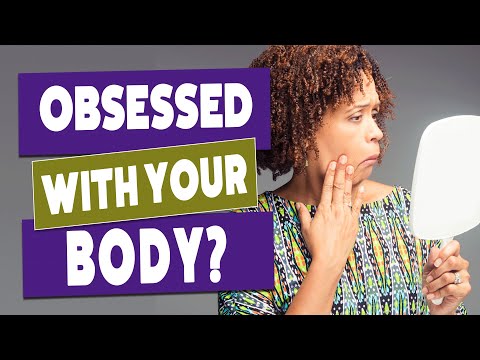
Hey you! Let’s chat about something that’s been popping up a lot lately—dysmorphia. Yeah, that thing where you look in the mirror and don’t really see what everyone else does.
Este blog ofrece contenido únicamente con fines informativos, educativos y de reflexión. La información publicada no constituye consejo médico, psicológico ni psiquiátrico, y no sustituye la evaluación, el diagnóstico, el tratamiento ni la orientación individual de un profesional debidamente acreditado. Si crees que puedes estar atravesando un problema psicológico o de salud, consulta cuanto antes con un profesional certificado antes de tomar cualquier decisión importante sobre tu bienestar. No te automediques ni inicies, suspendas o modifiques medicamentos, terapias o tratamientos por tu cuenta. Aunque intentamos que la información sea útil y precisa, no garantizamos que esté completa, actualizada o que sea adecuada. El uso de este contenido es bajo tu propia responsabilidad y su lectura no crea una relación profesional, clínica ni terapéutica con el autor o con este sitio web.
It’s wild, right? Sometimes it feels like your brain is playing tricks on you. You might feel too big, too small, or just not “right” in your own skin.
And it’s more common than you think! Seriously, so many folks struggle with their body image. It can mess with your head in ways that are hard to explain.
So, let’s break it down together. What is dysmorphia anyway? Why does it happen? And how can we deal with those pesky thoughts that don’t seem to go away?
5 Key Symptoms of Body Dysmorphic Disorder: Recognizing the Signs
Body Dysmorphic Disorder (BDD) is a tricky mental health condition that messes with how you see yourself. Imagine looking in the mirror and only focusing on what you think is wrong. That’s what people with BDD experience. They might think their nose is too big or their skin isn’t clear enough, even if others don’t see those flaws at all.
Here are some key symptoms to recognize:
- Obsessive Thoughts About Appearance: This is a major symptom. People with BDD often get stuck in a loop of negative thoughts about their looks. You know that feeling when you can’t stop thinking about a bad hair day? For someone with BDD, it’s intensified to the point where they can’t concentrate on anything else.
- Comparison With Others: Do you often find yourself scrolling through social media and comparing your looks to others? For individuals with BDD, this happens constantly, leading to feelings of inadequacy. They might even avoid social situations just to escape these comparisons.
- Seeking Constant Reassurance: Many people with BDD feel the need to ask friends or family if they look okay. But here’s the catch: no matter how many compliments they receive, it never seems to help. It’s like trying to fill a leaky bucket! This endless pursuit for approval can be exhausting for both them and their loved ones.
- Avoidance of Mirrors or Reflective Surfaces: Some individuals may go to great lengths to avoid mirrors because they can’t stand the thought of facing their perceived flaws. Think about a player who avoids looking at their game stats after a bad performance; similarly, avoiding mirrors feels like self-preservation.
- Excessive Grooming or Camouflaging: Many people with BDD spend hours on grooming and cosmetic procedures trying to fix what they perceive as imperfections. You’ll see them applying makeup meticulously or changing outfits repeatedly before stepping out—like gearing up for a battle where they’re always on the defensive against judgment.
Remember, recognizing these symptoms doesn’t mean someone has BDD for sure—it’s just one part of understanding something complex. If either you or someone you know struggles with these feelings, seeking help from professionals is crucial. A trained therapist can provide strategies and support tailored specifically for managing these thoughts.
So, as we wrap this up, keep in mind that body image issues can affect anyone at any time—and being aware of them is the first step toward healing!
Understanding the Two Main Types of Body Dysmorphia: A Clear Overview
Body dysmorphia is a condition where you become overly fixated on perceived flaws in your appearance. It’s like looking in a funhouse mirror and believing that’s how you truly look. This can lead to significant distress and interfere with daily life. There are two main types of body dysmorphia, and understanding them can really help in recognizing the struggles people face.
1. Muscle Dysmorphia
This type is often found in individuals who believe their bodies don’t have enough muscle mass. You know, it’s like those characters in video games who just keep buffing up, but they feel they’re not strong enough no matter how much they train. People with muscle dysmorphia might spend hours at the gym, obsessing over their diet or appearance.
- They might see themselves as skinny or underdeveloped.
- Even if they have a muscular build, they’re convinced they need to be bigger.
- This can lead to dangerous practices like using steroids or extreme dieting.
Having been there myself, I remember my friend who used to compare himself nonstop to bodybuilders he saw online. Even during workout sessions when he was clearly making progress, he’d still feel inadequate because he didn’t look like those idealized images.
2. General Body Dysmorphic Disorder (BDD)
This broader category includes everyone who feels unhappy with any aspect of their physical appearance—like facial features or skin texture. Think about characters from movies who constantly check their reflection and never seem satisfied; that’s kind of the vibe here.
- People may obsessively check mirrors or avoid them altogether.
- They might engage in excessive grooming routines to «fix» perceived flaws.
- This type can sometimes lead to social anxiety or avoidance since they’re worried about how others see them.
I once met someone who always wore oversized hoodies because she felt her arms were too big, even though she looked perfectly normal. Every time we’d hang out, she’d just tug at her sleeves while avoiding eye contact with other folks — so heartbreaking to witness!
Both types of body dysmorphia involve deep-seated issues with self-esteem and perception—how you see yourself doesn’t match reality at all. It can be overwhelming and exhausting for those affected.
If you or someone you know struggles with this issue, it’s important to seek professional help. Talking it out with a therapist could be a game changer! Remember that you’re not alone in this battle; many people are fighting similar feelings every day! Acknowledging these feelings is the first step toward feeling better about yourself and your body!
Understanding Body Dysmorphia: Definition and Key Insights
Body dysmorphia, or body dysmorphic disorder (BDD), is a mental health condition where you obsess over perceived flaws in your appearance. These flaws are often minor or even imagined. It’s like looking in the mirror and seeing something completely different from what others see. Can you imagine feeling that way about yourself?
The struggles with body image can be really intense. You might constantly check yourself in mirrors, spend a lot of time choosing outfits to hide perceived defects, or even avoid social situations altogether. That nagging feeling can take a toll on your daily life and relationships.
- Diagnosis: To be diagnosed, a person usually has to meet certain criteria set by professionals. This involves the obsessive focus on appearance impacting your daily activities.
- Symptoms: Common symptoms include excessive grooming, comparing yourself to others, and avoiding places where you might have to show your body.
- Causes: The exact causes aren’t clear but often involve a mix of genetic, environmental, and psychological factors. Perhaps a negative comment about your looks during childhood sticks with you? That stuff can linger!
- Treatment: Therapy is key here! Cognitive-behavioral therapy (CBT) has shown promise in helping people change their thought patterns.
Now, let’s zoom in on that last point—treatment. Therapy isn’t about just feeling better; it’s more about changing how you think about those distorted images of yourself. It’s practical! You deal with feelings of inadequacy head-on.
I remember reading about someone who loved video games but felt too self-conscious to join friends for gaming nights. Instead of connecting over shared interests, they isolated themselves due to their worries about how they looked while playing online. This kind of situation is common among those dealing with body dysmorphia—it’s not just about physical appearance; it affects social interactions too.
If you suspect that you or someone you know might be struggling with body dysmorphia, please remember: it’s essential to seek professional help. While talking things out with friends is great, therapists are trained to work through these complex feelings in depth. You’re not alone! There are people who understand and want to help.
Dysmorphia can feel overwhelming at times but recognizing it is the first step towards dealing with it positively. Remember that healing is possible! You deserve peace when looking in the mirror!
You know, body image is such a tricky topic. It’s like, one minute you’re feeling pretty good about yourself, and the next you’re staring at the mirror wondering what’s wrong with you. So, let’s chat about dysmorphia—specifically body dysmorphic disorder (BDD) because it’s a huge part of this conversation.
BDD is this mental health condition where someone becomes super preoccupied with perceived flaws in their appearance. Like, even if they look perfectly fine to everyone else, that person just can’t shake off the feeling that something’s really off. Imagine staring at your reflection and only seeing the blemishes or that weird angle; it’s exhausting!
I remember a friend of mine struggled with this. She was drop-dead gorgeous but always focused on her nose or those tiny little things no one even noticed. It got to a point where going out became a major challenge for her. She’d spend hours getting ready to cover up something that wasn’t even noticeable. I mean, wow! That intensity just breaks your heart.
But here’s where it gets interesting: these distortions aren’t just about vanity or wanting to look good for others; they come from deeper issues like anxiety and low self-esteem. It’s like being trapped in your own head with all these negative thoughts swirling around. The areas of focus can vary too—some might fixate on weight, skin imperfections, hair loss you name it.
And let’s not forget society’s role in all this! With social media bombarding us with images of “ideal” bodies—seriously, does anyone even look like those filters?—it’s no wonder people feel the way they do. We see so much perfection around us that it can create this unrealistic standard we think we need to meet.
In the end, recognizing dysmorphia is crucial because it’s not just about physical appearance—it often relates back to how someone feels inside and their self-worth. If you notice those kinds of feelings creeping in—like constantly comparing yourself to others or spending too much time worrying about how you look—maybe talking to someone could really help? It’s okay to seek support when you feel like you’re stuck in a cycle like that.
So yeah, body image distortions are tough but understanding them can help us tackle those pesky feelings and embrace our true selves—even when it can be an uphill battle!