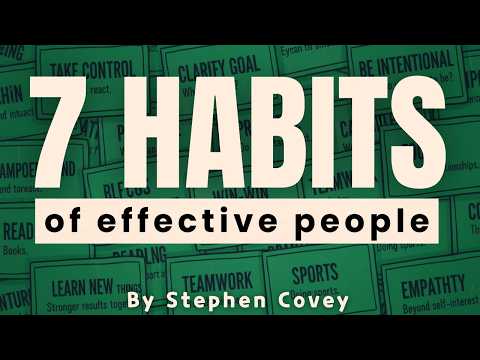
Hey, you! Let’s chat about something that could really help you level up your life. You know those moments when you feel stuck? Yeah, we’ve all been there.
So, have you heard about the Franklin Covey 7 Habits? They’re kind of like a roadmap for personal growth. Seriously, they’ve helped tons of people find clarity and purpose.
Este blog ofrece contenido únicamente con fines informativos, educativos y de reflexión. La información publicada no constituye consejo médico, psicológico ni psiquiátrico, y no sustituye la evaluación, el diagnóstico, el tratamiento ni la orientación individual de un profesional debidamente acreditado. Si crees que puedes estar atravesando un problema psicológico o de salud, consulta cuanto antes con un profesional certificado antes de tomar cualquier decisión importante sobre tu bienestar. No te automediques ni inicies, suspendas o modifiques medicamentos, terapias o tratamientos por tu cuenta. Aunque intentamos que la información sea útil y precisa, no garantizamos que esté completa, actualizada o que sea adecuada. El uso de este contenido es bajo tu propia responsabilidad y su lectura no crea una relación profesional, clínica ni terapéutica con el autor o con este sitio web.
Imagine waking up every day feeling charged and ready to tackle whatever comes your way. Sounds good, right? These habits are all about taking charge of your life in a way that makes sense for *you*.
In this little journey we’re going to take together, we’ll break down each habit in a way that’s super easy to grasp—no fluff, just real talk. Let’s get into it!
Examining Common Criticisms of the 7 Habits: A Psychological Perspective
Examining the 7 Habits is a bit like peeling an onion. You got layers upon layers that can make you cry or, at least, make you think! Stephen Covey’s 7 Habits of Highly Effective People has certainly sparked some debate. While some folks swear by it, others throw shade in its direction. Let’s dig into those common criticisms from a psychological angle.
Over-simplification of Complex Issues
One major criticism is the idea that these habits oversimplify complex human behavior. Sure, it sounds nice to say you can become more effective with just seven habits, but life isn’t so straightforward. You know how in a video game, there are different levels and challenges? Well, real life includes obstacles like mental health struggles and societal pressures that can’t be solved with a checklist.
Neglecting Emotional Intelligence
Another point frequently brought up is the neglect of emotional intelligence (EQ). Covey’s framework emphasizes logic and structure but often leaves out how to navigate feelings effectively. Imagine playing a role-playing game where you make all the right moves but fail to connect with other players emotionally… it’s not gonna end well! So yes, understanding emotions isn’t extra; it’s crucial.
The Context Matters
Context plays a huge role too. Implementing these habits in varying environments can feel like trying to solve a puzzle where the pieces don’t always fit. What works for one person may not work for another due to cultural or situational differences. Think about team sports; each player has their unique style, right? A blanket strategy might not suit everyone.
Potential for Overemphasis on Individual Responsibility
There’s also this idea that the 7 Habits place too much emphasis on individual responsibility. It creates this notion that if you’re struggling, it’s entirely your fault for not mastering these habits. But sometimes life throws curveballs—like an unexpected illness or job loss—that are out of your control! Just like in games where random events can change your entire strategy.
Resistance to Change
Then we have the resistance aspect—some argue that adopting these habits requires more than just good intentions; it demands substantial change from existing thought patterns and behaviors. And let’s be honest: people don’t usually take kindly to changing their ways! Picture trying to master a character you’ve played for years in a game only to have to switch up your playstyle dramatically—it’s not easy!
Lack of Scientific Backing
Last but not least, there’s the concern regarding scientific backing for these principles. Many psychologists advocate evidence-based practices when it comes to personal growth strategies. Covey’s ideas aren’t necessarily based on rigorous research; they’re pretty much anecdotal wisdom wrapped in catchy phrases. Like trying out hacks from your favorite gaming channel without knowing if they truly work!
All in all, while the 7 Habits can certainly offer valuable insights into personal growth and effectiveness, they’re not without their flaws and criticisms when looked at through a psychological lens. It’s worth remembering: integrating any framework requires self-awareness, experimentation—and maybe even some backup support from professionals along the way if things get overwhelming! So whether you’re diving into these habits or considering alternative routes, keep exploring what resonates best with YOU!
Applying the 7 Habits of Highly Effective People for Personal Development and Growth
It’s super interesting how some habits can really change our lives, right? You might have heard about the 7 Habits of Highly Effective People by Stephen R. Covey. These habits are all about personal growth and effectiveness, and they’re like a roadmap for anyone looking to improve their life. Let’s break it down together.
The first few habits focus on self-mastery. They help you become more proactive and set clear goals for yourself.
- Be Proactive: This is all about taking control of your life. Instead of reacting to events, you take initiative. For example, if your friend is frequently late to meetups, instead of getting mad, you could discuss it openly and come up with a solution.
- Begin with the End in Mind: Picture where you want to be in life. Imagine this like crafting a character in a video game; you wouldn’t just jump into gameplay without knowing what skills or features you want to develop. What’s your ultimate goal?
- Put First Things First: Prioritizing what truly matters is essential! Think of it as managing your energy in a game. You wouldn’t waste power-ups on low-level challenges when there are big bosses to defeat!
The next three habits shift the focus outward – improving relationships and teamwork.
- Think Win-Win: It’s all about mutual benefit! In multiplayer games, success often comes from collaboration rather than competition. This habit encourages you to seek solutions where everyone wins.
- Seek First to Understand, Then to be Understood: Seriously listen before sharing your thoughts! It’s like playing a co-op game; understanding your teammate’s strategy can lead to much better outcomes.
- S synergize: This fancy word means working together effectively. Think about it like forming alliances in games; combining strengths leads to greater success than going solo!
The final habit is all about renewal and balance.
- Sharpen the Saw: You need regular self-renewal—physically, mentally, emotionally, and spiritually! If you’re constantly grinding away without taking breaks (think of it as running out of health points in your favorite RPG), you’re going to crash eventually!
Phew! That’s quite a bit of info! But here’s the emotional part: thinking back on my own life, I remember struggling with feeling overwhelmed in college while trying to juggle classes and part-time work. The truth is I didn’t know how to prioritize my tasks or even set any clear goals at that point! By applying some of these habits later on—especially “Begin with the End in Mind”—I found clarity which led me toward much better outcomes and an overall happier mindset!
If you’re looking for personal development tools, giving these 7 habits a shot could be an absolute game changer for you—but don’t forget that they aren’t substitutes for professional help or therapy if needed! Growth is a journey we’re all on together!
I hope this gives you a good glimpse into applying Covey’s principles for personal growth—now go out there and start mastering those habits!
Assessing the Relevance of the 7 Habits of Highly Effective People in Today’s World
Sure thing! Here’s a look at the relevance of the “7 Habits of Highly Effective People” in today’s world, all laid out informally and with a friendly tone.
—
So, you’ve probably heard of the “7 Habits of Highly Effective People” by Stephen Covey. It’s a classic for personal growth, and while it first hit the shelves way back in 1989, people are still buzzing about it today. Why? Well, let’s take a closer look!
Proactivity is the first habit on Covey’s list. It’s basically about taking charge of your life. You know how in certain video games, you have to make choices that affect the outcome? That’s exactly what being proactive is like. Instead of waiting for things to happen, you actively shape your path! Think about your day-to-day decisions; when you take responsibility, you set yourself up for success.
Next up is beginning with the end in mind. This habit pushes you to think about what you truly want. Imagine playing an RPG where you have to decide your character’s fate right from the start. If you’re clear on your goals—like leveling up your character or completing quests—it makes everything else easier. In life, setting personal or professional goals helps steer your actions down a meaningful path.
Then there’s putting first things first. This isn’t just another way to say “prioritize.” It’s all about time management and focusing on what really matters. You know those tasks that feel urgent but aren’t super important? Yeah, we can be guilty of that sometimes! Focusing on high-impact activities can lead to greater personal satisfaction.
Now let’s chat about thinking win-win. This habit promotes cooperation rather than competition. It reminds me of when teammates in sports have to work together for victory instead of just trying to outshine each other individually. Cultivating win-win situations enhances relationships and builds trust.
First seek to understand, then to be understood, is next on our list. Communication is key here! Have you ever been in a situation where someone just didn’t get where you were coming from? That can be frustrating! When you listen without jumping in with your own agenda right away, it creates better conversations and connections.
The sixth habit is all about synergy; basically making the whole greater than its parts. Think about multiplayer games where teamwork leads to epic wins—like when you combine skills with friends for an unbeatable combo! In real life, collaborating often leads to innovative solutions that wouldn’t happen solo.
Lastly is sharpening the saw. Okay, this habit emphasizes self-care and continuous improvement across various areas: physical, emotional, social/mental, and spiritual health are all part of this equation! Just like how you’d level up your character or skills in games continuously—you also need growth outside those “game” settings!
In today’s fast-paced world filled with distractions and challenges—these habits still **hold their weight**. They can shape how we approach not just our tasks but our lives as a whole!
One thing I want to stress though: while these habits are super valuable tools for personal development—they aren’t substitutes for professional help when facing serious challenges or mental health issues. If you’re struggling deeply—reach out for support!
So yeah! The “7 Habits” aren’t just relics from the past; they’re tools we can use right now for meaningful growth!
—
That’s it! Hope this gives you some food for thought on how these principles stay relevant even today!
You know, when I first stumbled upon Stephen Covey’s «7 Habits of Highly Effective People,» I thought, “Oh great, another self-help thing that’s gonna ask me to change my life overnight!” But honestly, after giving it a shot, I found some real gems there. Seriously, these habits aren’t just fluff; they can actually lead to some solid personal growth.
Take Habit 1: Be Proactive. So simple, but it hits hard. It’s like waking up each day and saying, “I’m in control here.” I remember this one time when things felt overwhelming—work stress piling up and personal stuff going sideways. Instead of just complaining about it all, I decided to focus on what I could change. Wow! Just switching my mindset shifted everything for me.
Then there’s Habit 2: Begin with the End in Mind. It sounds like a fancy way of saying “have a vision,” but trust me; it can be a game-changer. Imagine knowing your destination before you start driving—you wouldn’t just wander aimlessly, right? A while back, I took some time to actually write down my goals and what kind of person I wanted to be in the future. That little exercise helped guide so many decisions after that.
And let’s not forget Habit 3: Put First Things First. This one is all about time management and prioritizing what really matters instead of getting caught up in the daily grind. You might relate to this—I used to spend way too much time on social media or binge-watching shows instead of spending quality time with friends or working on my passions.
There are also habits around synergy and sharpening the saw that underscore the importance of relationships and self-care. Sometimes we get so caught up in hustling that we forget we’re not machines. You need downtime! Last month, after feeling pretty drained from everything, I took a weekend off just for myself—no phone notifications or obligations—and wow! It was refreshing.
The beauty about mastering these habits is that they’re not just steps you take once and check off a list; they’re ongoing practices you weave into your life like threads into fabric. Each habit builds on the other as you lean into them more deeply over time.
At the end of the day, it’s all about progress rather than perfection. You’ll stumble along the way—it happens to everyone—but keeping these habits close can seriously help steer you back onto your path when things start feeling chaotic again. So if you’re feeling stuck or lost at times (and who doesn’t?), maybe check these habits out! They might surprise you like they did for me—no overnight transformations required, just steady growth over time.