You know those moments when you just look at someone, and boom, you can totally read their feelings? It’s like a superpower, right?
Este blog ofrece contenido únicamente con fines informativos, educativos y de reflexión. La información publicada no constituye consejo médico, psicológico ni psiquiátrico, y no sustituye la evaluación, el diagnóstico, el tratamiento ni la orientación individual de un profesional debidamente acreditado. Si crees que puedes estar atravesando un problema psicológico o de salud, consulta cuanto antes con un profesional certificado antes de tomar cualquier decisión importante sobre tu bienestar. No te automediques ni inicies, suspendas o modifiques medicamentos, terapias o tratamientos por tu cuenta. Aunque intentamos que la información sea útil y precisa, no garantizamos que esté completa, actualizada o que sea adecuada. El uso de este contenido es bajo tu propia responsabilidad y su lectura no crea una relación profesional, clínica ni terapéutica con el autor o con este sitio web.
But seriously, our faces say a lot. Sometimes more than our words ever could.
Ever caught yourself wondering what that smirk really means? Or why someone’s eyes light up at the mere mention of pizza?
Our emotional expressions are a wild mix of science and art. They’re not just for actors on stage or models in magazines; they’re part of everyday life.
So let’s chat about decoding these feelings! It might just change how you see the world around you—like putting on a new pair of glasses!
Understanding the 7 Faces of Emotion: A Guide to Human Feelings and Their Expressions
Emotions are like a rollercoaster ride—full of ups and downs that can throw you for a loop! The 7 Faces of Emotion are key to understanding how we express what we feel. Let’s break it down, shall we?
1. Happiness
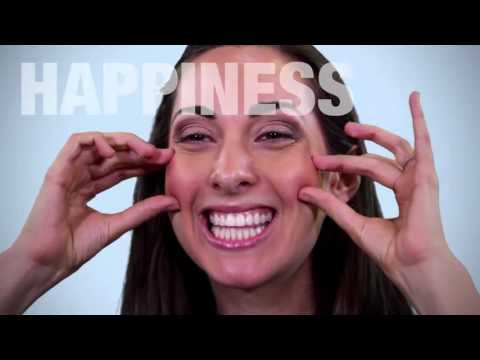
This one’s pretty straightforward. You know when you get that warm fuzzy feeling? Maybe it’s from hanging out with friends or nailing a presentation at work. It’s all about smiling, laughter, and just feeling good! Think of characters in video games who celebrate victories—they smile and jump around, right? That’s happiness in action!
2. Sadness
Sadness has a way of creeping in unexpectedly. Maybe you lost something important or had a tough day. It often shows up through frowning or tears. Remember when your favorite game character faced a tragic moment? You felt for them, didn’t you? That connection is powerful.
3. Fear
Fear is your body’s warning system. When something feels off, like seeing a huge spider or facing an unknown challenge, your expression might change to wide eyes and raised eyebrows. It triggers the fight-or-flight response—kind of like the panic button in your favorite survival game.
4. Anger
Anger is intense! Imagine feeling betrayed by a friend or frustrated with a slow internet connection; your face might scrunch up with furrowed brows and tight lips. It’s that heat boiling inside you, pushing for action—just like when your game character gets mad after losing.
5. Surprise
Surprise can be delightful or shocking! When something unexpected happens—like winning the lottery or discovering a hidden level in a game—you might raise your eyebrows and drop your jaw in shock! It’s the “wow!” factor that catches everyone off guard.
6. Disgust
Disgust usually comes from something unpleasant—a bad smell or seeing something gross on the sidewalk can do it! Your face will likely scrunch up, maybe even wrinkle your nose as if saying “Ugh!” Video games often include elements designed to elicit disgust through gory imagery or interacting with unsettling characters.
7. Contempt
Contempt is sneaky because it combines feelings of superiority over others with disdain—a little smirk may creep onto your face when dealing with someone who’s being obnoxious! Ever seen that eye roll during some dramatic moments in movies or games? Yep, that’s contempt!
Understanding these emotions helps us navigate our feelings better—and also understand others around us more clearly! Emotions aren’t just things we feel; they’re also how we connect with each other.
Feelings can be complex and remember, it’s totally okay if you’re struggling to manage them at times—it happens to everyone! If emotions become overwhelming though, reaching out for support from friends or professionals isn’t just smart; it’s important too.
So next time you catch yourself displaying one of these faces—or noticing someone else doing so—take a moment to think about what they’re really feeling underneath those expressions! The world is full of emotional colors waiting to be explored together, so keep those eyes peeled and stay open!
Mastering Emotional Intelligence: How to Read Facial Expressions Accurately
Sure thing! Let’s chat about emotional intelligence and how we can read facial expressions more accurately. This is one of those super important skills that can really make a difference in how we connect with others.
So, what’s the deal with facial expressions? Well, our faces can say a lot, often more than our words do. In fact, researchers say there are about seven basic emotions that we can express through our facial muscles: happiness, sadness, fear, anger, surprise, disgust, and contempt. Each one has its own unique look.
- Happiness: You know that one—smiling eyes and the corners of the mouth turned up. It’s contagious!
- Sadness: Think droopy eyelids and frowning lips. When someone feels this way, it often shows up on their face.
- Fear: Widened eyes and raised eyebrows. It’s like your face is saying “Whoa!” to something scary.
- Anger: Furrowed brows and pursed lips usually give this emotion away. I mean, you can practically feel the heat!
- Surprise: Wide eyes with dropped jaws—this one’s a bit like a cartoon!
- Disgust: Crinkled nose and raised upper lip; it’s pretty obvious when someone finds something gross.
- Contempt: A smirk or one side of the mouth pulled up is quite telling; it shows disdain or judgment.
Understanding these basic emotions is just the start. What happens next? Well, context plays a huge role too! Facial expressions can change based on the situation or environment someone is in. For instance, maybe your friend looks angry after receiving bad news—even if they’re really just stressed out about work.
And get this—situation cues, like body language or tone of voice, also help you decode emotions better. If your buddy is standing tall with crossed arms while frowning deeply after a rough day at work? That’s anger mixed with frustration—it paints a larger picture than his face alone could tell!
Sometimes you might find yourself playing games focused on reading faces—like poker! Seriously! If you try to bluff while keeping a straight face (or failing miserably), that tells people loads about your emotional state.
Then there’s the whole idea of cultural differences in expressing feelings too! Not everyone expresses emotions in the same way due to social norms or values surrounding emotional expression. So being aware of cultural backgrounds helps tremendously in understanding someone’s feelings.
But hey—here’s something super important: picking up on these non-verbal cues doesn’t replace professional help for mental health issues or anything heavy going on in someone’s life. So if you think someone needs support beyond what their face tells you? Encourage them gently toward getting that help.
To wrap it all up—you’ve got to pay attention to faces as well as context! With practice and patience (and maybe a little game-playing along the way), you’ll boost your emotional intelligence and build better relationships over time. Plus? You’ll become an expert at reading people without needing tarot cards!
So there you go—I mean it’s pretty cool once you get into it!
Understanding Facial Expressions: A Guide to Human Emotions and Their Psychological Significance
Facial expressions are a powerful part of human communication. You know, it’s how we convey feelings without even saying a word. Ever noticed how your friend can look at you and you just *know* they’re upset? That’s the magic of facial expressions!
Now, there are basically six primary emotions that most people can recognize through facial expressions: happiness, sadness, fear, disgust, anger, and surprise. Let’s break them down a little more.
- Happiness: When someone smiles widely and their eyes crinkle up, they’re likely happy. Think about those moments when you’re playing a game and someone scores—pure joy shows all over their face!
- Sadness: A furrowed brow plus frowning lips? That spells sadness. Imagine a character in a game who just lost their best friend—they might show this expression.
- Fear: If the eyebrows are raised and the eyes are wide open, it’s fear in action! Like when you’re jumping at jump scares in horror games—your face says it all!
- Disgust: Yikes! A wrinkled nose and pouting lips usually signal disgust. Ever bitten into something spoiled? Yeah, that face is probably involuntary!
- Anger: An intense stare with tightly pressed lips or flared nostrils? That’s anger boiling under the surface. Picture an NPC in a game who just got wronged—talk about a mad face!
- Surprise: Wide eyes and raised eyebrows indicate surprise—like when you finally beat that level you’ve struggled with forever!
These emotions not only communicate feelings but also help with social bonding. When you see someone smiling back at you, there’s this unspoken connection happening! It builds trust and understanding between people.
But here’s where it gets even more interesting: our interpretation of these expressions isn’t always straightforward. Cultural differences play a big role too! In some cultures, direct eye contact might mean confidence; while in others, it could signal aggression.
Also, don’t forget about context! Sometimes the same expression can mean different things depending on what’s happening around us. Like laughter—sometimes it’s from joy; other times it’s nervousness—it really depends!
Research has shown that recognizing these emotions is crucial for our relationships and social interactions. But hey, if you’re struggling with this sort of thing or find yourself feeling overwhelmed by emotions (yours or others), reaching out to a professional can make all the difference.
In short? Facial expressions are like windows into our feelings. They say what words sometimes can’t convey. The next time you’re chatting with someone or even playing your favorite video game, take note of those faces around you—it’s fascinating how much they’re communicating without saying anything at all!
You know, there’s something really fascinating about how we express our emotions through our faces. Think about it for a second. When you’re happy, sad, angry, or surprised, your face kind of tells a story without you even saying a word. It’s like our faces are these little canvases that show what’s going on inside us.
I remember this one time my friend Sarah was trying to surprise her partner for their anniversary. She put together this lovely dinner and had this gorgeous cake ready. But when her partner walked in and saw everything, he just stood there with a blank expression. The poor girl was crushed! I mean, she had put so much effort into it. But as it turned out, he was just shocked and didn’t know how to respond at first! His face didn’t express the joy she hoped to see.
So here’s the thing: our facial expressions can sometimes be confusing! There are basic emotions—happiness, sadness, fear, anger—and each has its own specific signature on your face. Happiness usually lights up the eyes and brings out those smile lines, while anger can make eyebrows furrow deeply and lips tighten—like an automatic response from our brain that you can’t really help!
But culture also plays a role in how we express feelings. Like in some parts of the world, showing too much emotion might be seen as inappropriate or weak—so people keep a poker face even when they feel otherwise. It’s interesting because we often think we’re interpreting someone’s feelings correctly based on their expressions, but sometimes we totally miss the mark!
And let’s not forget about those subtle little cues like micro-expressions—tiny shifts in your face that happen in less than a second—but they can reveal what someone is truly feeling deep down inside despite what they’re saying or doing outwardly.
You know what? If you ever find yourself unsure about someone’s feelings based on their expression (trust me; it happens), maybe try asking them directly. Building that emotional connection is so important! At the end of the day, deciphering emotions isn’t just about reading faces; it’s also about understanding each other better and creating a sense of empathy in our interactions.
So next time you’re chatting with someone—a friend or even a stranger—maybe take a moment to look at their expressions alongside their words. There might be more beneath that facade than meets the eye!