Hey you! So, let’s chat about something super interesting today. Ever think about what’s really going on in your head?
Este blog ofrece contenido únicamente con fines informativos, educativos y de reflexión. La información publicada no constituye consejo médico, psicológico ni psiquiátrico, y no sustituye la evaluación, el diagnóstico, el tratamiento ni la orientación individual de un profesional debidamente acreditado. Si crees que puedes estar atravesando un problema psicológico o de salud, consulta cuanto antes con un profesional certificado antes de tomar cualquier decisión importante sobre tu bienestar. No te automediques ni inicies, suspendas o modifiques medicamentos, terapias o tratamientos por tu cuenta. Aunque intentamos que la información sea útil y precisa, no garantizamos que esté completa, actualizada o que sea adecuada. El uso de este contenido es bajo tu propia responsabilidad y su lectura no crea una relación profesional, clínica ni terapéutica con el autor o con este sitio web.
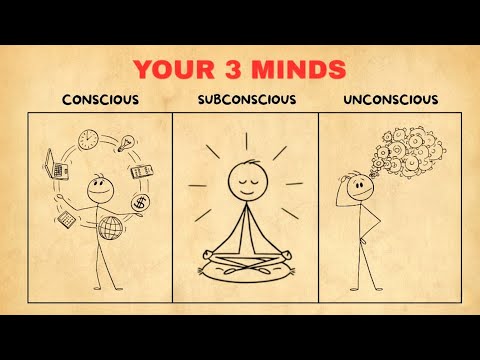
You’ve got the conscious mind, the one that’s actively thinking right now. It’s like the spotlight of your brain. Then there’s the subconscious lurking in the background, pulling strings without you even realizing it.
And don’t forget about that sneaky unconscious mind! It’s like a vast ocean of thoughts and feelings you’re totally unaware of. Wild, right?
Stick around, and we’ll break it all down together. It’s gonna be a fun ride!
Clear Examples of Conscious, Subconscious, and Unconscious Mind Functions
Alright, let’s break down this whole conscious, subconscious, and unconscious mind thing. It’s like a mental game of hide-and-seek, where different parts are playing in their own way. So, buckle up!
Conscious Mind: This is where all your active thinking happens. When you’re awake and engaged in tasks, making decisions or solving problems, that’s your conscious mind at work. Kind of like when you’re playing a game and trying to figure out the best strategy? That’s you using your conscious thought process.
- Examples include: making dinner plans or deciding what to wear.
- It’s also in play during conversations when you’re fully present and aware of what you’re saying.
Now for the subconscious mind. This one’s a bit trickier. Picture it as a massive file cabinet full of memories and experiences that aren’t currently on your radar but can be pulled up whenever needed. It influences how you react to things without you even realizing it.
- You know that weird feeling when you hear a certain song and suddenly get nostalgic? That’s your subconscious bringing back memories.
- Also, think about habits—like biting your nails or tapping your foot while listening to music—those are driven by the subconscious.
Lastly, we have the mysterious unconscious mind. This part houses all the stuff you’re not aware of at all; fears, desires, repressed memories—stuff you’ve probably buried deep down. It’s like a volcano waiting to erupt with emotions or impulses that can come out unexpectedly.
- For example: Have you ever reacted strongly to something but couldn’t really explain why? That might be something from your unconscious popping up!
- Your unconscious influences dreams as well; it’s where bits of our deepest feelings manifest while we sleep.
So here’s the thing—you might not realize it, but these three parts are constantly interacting with each other. They shape how we think, feel, and act every day.
And hey, just remember: understanding these functions can help us navigate our thoughts better but doesn’t replace professional help if you’re dealing with deeper issues or struggles. We all sometimes need a little guidance along the way!
Understanding the Conscious, Subconscious, and Unconscious Mind: Key Concepts Explained
Alright, let’s chat about the mind. It’s a pretty complex thing, right? We often break it down into three different parts: the conscious, subconscious, and unconscious minds. Each plays a unique role in how you think, feel, and act. So, let’s unravel these concepts.
The conscious mind is where all your active thoughts hang out. It’s like when you’re playing a video game and totally focused on your mission. You’re aware of everything happening in that moment; the score, the enemies lurking around you, and your next move. You have control here, making decisions based on what you see and know.
Now, the subconscious mind, that’s a bit trickier. Imagine it as the background music in your favorite game; you don’t really notice it at every moment but it sets the mood. This part stores experiences, memories, habits – all those things that influence you without requiring your full attention. Like when you automatically grab your keys before heading out or feel a twinge of nostalgia hearing a familiar song.
Then we have the unconscious mind. This one’s kind of like that hidden level in a game—full of surprises but not easily accessed. It holds everything from repressed feelings to deep-seated fears and desires. These are things you’re not actively thinking about but still shape who you are and how you react to situations. You might not even realize they’re there until something triggers them.
- The conscious mind is all about current thoughts and decisions.
- The subconscious mind influences daily behaviors through memories and learned habits.
- The unconscious mind includes hidden desires or past traumas affecting your behavior without awareness.
An example could be someone who feels anxious during social gatherings because they had an embarrassing moment in high school (totally unconscious!). They wouldn’t connect their anxiety with that old memory right away—they’re reacting from their unconscious without realizing it!
So why should this even matter? Well, understanding these layers can help you make sense of yourself better! Ever find yourself biting your nails when you’re stressed without knowing why? That’s likely your subconscious at work! Recognizing these patterns can be super helpful when you’re trying to improve self-awareness or change some habits.
In real life? Maybe take note of what pops into your head when you’re daydreaming or zoning out for a second—what are those thoughts telling you? They might just give insight into what’s bubbling under the surface!
This info sure isn’t a replacement for talking to someone if you’re feeling overwhelmed or struggling with something deeper—it simply helps shed light on our minds’ complexities. In summary: our mental landscape is made up of layers we interact with daily, whether we’re aware of them or not!
Exploring the Percentages of the Conscious, Subconscious, and Unconscious Mind: A Psychological Overview
So, let’s talk about the mind—specifically, the conscious, subconscious, and unconscious parts. You might be wondering how all these layers work together and, really, what the percentages look like. It’s kind of wild when you break it down.
The conscious mind is basically everything you’re aware of right now. Think of it as your active thought process. You know what I mean? It’s where you make decisions and solve problems on a daily basis. Some experts estimate that this part makes up about 10% of your total mind capacity.
Now moving right along to the subconscious. This one’s super interesting because it acts sort of like a storage room for all the things you’re not actively thinking about but can easily access later. Like when you’re driving and suddenly remember an important meeting—you just pulled that info from your subconscious! It takes up around 30% of your mind.
- Memory storage: It keeps memories and knowledge you don’t need in your everyday thoughts.
- Emotional responses: Ever felt like you just *know* someone is bad news? That instinct can come from past experiences stored in your subconscious.
Then there’s the heavy hitter—your unconscious mind. This part is a bit more mysterious and holds onto deeper emotions, instincts, and repressed fears or desires. We’re talking about stuff that rarely bubbles up but can still influence your behavior big time! Experts say this accounts for about 60% of your mental capacity.
- Repressed memories: These can sneak back into your life unexpectedly.
- Psychoanalytical theories: Think Freud; he believed many motivations are hidden deep within this layer.
A cool way to understand these divisions might be through video games. Consider levels in a game:
the conscious aspect is like playing at a high level with full awareness—you’re strategizing every move! The subconscious kicks in during auto-play phases where you’re still engaged but not thinking about every little detail. The unconscious can be compared to game mechanics that affect gameplay without you even realizing it—like algorithms adjusting difficulty based on how well you’re doing!
Your mind’s layers interact fluidly; they aren’t completely separate entities. For example, some decisions made consciously could later influence subconscious habits or even result in those awkward reactions we sometimes have without understanding why! Seriously though, it’s fascinating how much we’re not fully aware of when it comes to our own minds.
This breakdown gives us a bit more clarity on how our minds function overall; however, it’s important to remember that everyone experiences these parts differently. And hey, if things ever get too complicated or overwhelming for you personally? No shame in reaching out to a professional—they’re trained to help navigate these depths!
You know what I’m saying? Understanding these concepts helps shine a light on our behaviors—and who doesn’t want a little extra insight into their own psyche?
You know, our minds are like these incredible, layered sandwiches. Seriously, I mean, picture it—you’ve got the top slice of bread all shiny and fresh, that’s your conscious mind, where all the action happens. You’re awake; you’re aware; you’re making decisions and experiencing life in real-time. Like when you’re deciding what to have for breakfast or debating if you should text that friend back right now or later.
Then there’s the middle part—the subconscious. It’s like the thick layer of peanut butter or maybe jelly; it holds memories and skills without you even realizing it. Ever had a moment where something just clicked? That’s your subconscious at work! It stores all those little nuggets of info from when you learned to ride a bike to those lyrics of your favorite song that suddenly pop into your head while you’re in the shower.
But wait! There’s more! At the bottom is the unconscious mind—this is like the bottom slice, holding everything that we’re not aware of but still influences us deeply. It’s kind of a darker space where all those unprocessed thoughts and feelings hang out. Think about when something triggers an emotion and you can’t really explain why? That might be rooted in your unconscious.
I remember last summer—I stumbled upon an old photo album while cleaning up my room. There were pictures from family gatherings when I was a kid, happy moments mixed with some overwhelming ones too. In that instant, a wave of nostalgia hit me hard! I started feeling emotions tied to places or people I hadn’t thought about in ages but affected me deeply back then. That was my unconscious surfacing memories and feelings I didn’t even know were lingering there.
So here’s where it gets even more interesting: our conscious mind believes it’s calling all the shots, but our subconscious and unconscious are often steering the ship behind the scenes. Ever felt drawn to someone without really knowing why? Or found yourself repeating certain behaviors despite wanting change? Those parts of your mind can be sneaky like that!
And honestly? Sometimes it’s just wild how much we don’t realize what influences our actions day-to-day! All in all, understanding this layered cake of consciousness can help us navigate our lives better—like recognizing why we feel certain things or make specific choices.
So next time you’re caught between a decision or feeling overwhelmed by emotion without clarity on what’s happening inside—that’s just some layers talking to you, right there! It’s messy but totally fascinating too!