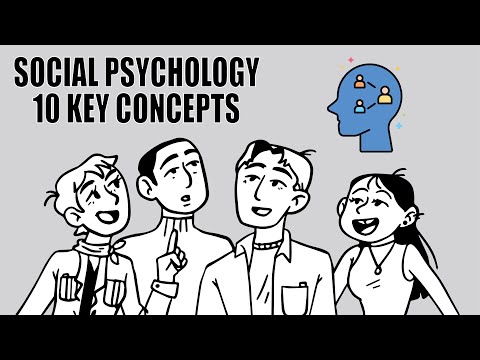
You know those moments when you’re trying to decide what movie to watch with friends?
Este blog ofrece contenido únicamente con fines informativos, educativos y de reflexión. La información publicada no constituye consejo médico, psicológico ni psiquiátrico, y no sustituye la evaluación, el diagnóstico, el tratamiento ni la orientación individual de un profesional debidamente acreditado. Si crees que puedes estar atravesando un problema psicológico o de salud, consulta cuanto antes con un profesional certificado antes de tomar cualquier decisión importante sobre tu bienestar. No te automediques ni inicies, suspendas o modifiques medicamentos, terapias o tratamientos por tu cuenta. Aunque intentamos que la información sea útil y precisa, no garantizamos que esté completa, actualizada o que sea adecuada. El uso de este contenido es bajo tu propia responsabilidad y su lectura no crea una relación profesional, clínica ni terapéutica con el autor o con este sitio web.
One person says action, another’s pushing for romance, and suddenly your simple choice turns into a mini debate.
It’s wild how the people around us can sway what we pick, right?
That’s the power of social dynamics, my friend. It’s not just about personal preference—it’s about influence.
Whether it’s small decisions like where to eat or big ones like career moves, we’re all affected by the vibes of those around us.
In this piece, we’re gonna explore how our choices get shaped by others and how that’s a totally normal part of being human. Let’s dive in!
The Impact of Social Influence on Decision-Making: Understanding the Psychological Mechanisms
Social influence is a fascinating topic when it comes to decision-making. Basically, we’re constantly swayed by the people around us—friends, family, even strangers online. Ever had that moment when you decided to buy something just because your friends were raving about it? Yeah, that’s social influence at work!
There are a few key psychological mechanisms behind this influence:
- Conformity: This is when you go along with a group’s beliefs or behaviors. Remember that feeling of wanting to fit in during high school? That’s conformity! People often conform out of a desire for acceptance.
- Obedience: This happens when someone follows orders from an authority figure. Think about those classic experiments where participants shocked others just because they were told to. It shows how powerful authority can be in shaping our choices.
- Social Proof: It’s like looking around and seeing what everyone else is doing before making a decision yourself. Ever noticed how popular restaurants are always packed? You might join the line thinking it must be good if so many others are there!
- Reciprocity: When someone does something nice for you, you feel this urge to return the favor. You might not even realize it, but this can shape decisions big time. Imagine a friend buys you coffee; now you feel you should treat them next time.
These mechanisms aren’t just abstract ideas; they play out in real life all the time.
For example, think about shopping reviews. When you’re browsing online and see tons of positive reviews for a product, you’re more likely to buy it, right? That’s social proof shining through! And if you hear your buddy say they love a game like «Among Us,» suddenly you’re intrigued—even if you’d never thought of playing before.
And let’s talk about groupthink—a phenomenon where the desire for harmony or conformity in a group results in irrational decision-making. It’s one of those moments where “keeping the peace” leads to poor choices because no one wants to voice their dissenting opinion! Take any team project gone wrong—often someone saw an issue but stayed quiet!
Now, here’s where things get really interesting: these influences can sometimes lead us down paths we didn’t intend to take. Like that time I went along with my friends who decided on an absurdly expensive dinner just because «everyone else» was doing it! In hindsight? Totally unnecessary.
But remember: while social influence plays a huge role in shaping our decisions, it’s also important to think critically and know when to trust your own instincts over the crowd.
So yeah, social influence is everywhere—it affects not only what we buy but also how we think and behave in groups. Understanding these mechanisms can give you an edge in navigating decisions better and being aware of when others are pulling your strings.
And as always, just keep in mind that if you’re feeling overwhelmed or confused by your options or influences around you—it’s totally okay to seek help from a professional! They can provide guidance tailored specifically for your situation.
Understanding the Psychological Factors Influencing Social Power Dynamics
We all know that social power dynamics can really shape the way we make decisions, right? Think about it: when you’re part of a group, your choices can be swayed by others, sometimes without you even realizing it. Understanding these dynamics is key to figuring out how influences work in your life.
Social Influence is a big player here. It’s basically how your thoughts and behaviors are affected by the people around you. You might not even notice it happening, like when everyone at the coffee shop orders pumpkin spice lattes just because it’s Fall. Suddenly, you find yourself doing the same!
- Conformity: This is when you adjust your behavior to fit in with a group. In one classic study called the Asch experiment, people changed their answers to match what everyone else said! That pressure can be pretty strong.
- Obedience: It’s about following authority figures. Remember Milgram’s experiment? People were willing to administer shocks just because someone in a lab coat told them to. A real eye-opener!
- Groupthink: Sometimes groups make bad decisions because everyone wants harmony. Imagine being on a sports team where no one speaks up about a bad play. You go along, and things go south.
Now, let’s talk about power structures. These exist everywhere—from your workplace to social media circles. Different people have varying levels of influence based on factors like expertise or charisma.
You probably see this in action during team projects at school or work—one person takes charge and suddenly everyone listens to them more closely. Why is that? Well, sometimes it’s because they have a strong personality or they’ve been there longer.
And don’t forget about social identities. Your background—like culture or gender—can also shape how much power you feel in interactions with others. For instance, someone from an underrepresented group might feel less inclined to speak up in meetings, which can totally influence group decisions.
Let’s take another look through the lens of gaming for fun! Have you ever played multiplayer games? It’s fascinating how leaders emerge during gameplay. You might notice that some players naturally take on leadership roles simply by organizing strategies while others follow along.
In all of this complexity though, remember that these influences don’t excuse harmful behaviors or decisions. They simply reflect how our brains are wired for social interaction and connection.
So yeah, understanding these psychological factors behind social power dynamics helps us become more aware of our choices and influences! But hey—if these issues hit close to home or stir up feelings for you, talking with someone who knows what they’re doing can really help too!
Keep an eye out for those sneaky influences next time you’re making decisions—you’ll be surprised at what power dynamics might come into play!
The Role of Power Dynamics in Influencing Group Decision-Making Processes
Power dynamics can really make or break a decision-making process in a group. It’s like when you’re playing a game with friends, and there’s always that one person who kinda takes charge. You know, the one who decides which game to play or how to split the pizza? That’s power at work!
When people are in a group, their decisions aren’t made in a vacuum. Influences come from all around—like the authority figures, social roles, and even personal relationships. These dynamics shape how everyone feels about the choices being made.
Here are some key points about how power dynamics impact group decisions:
- Authority Bias: Sometimes, we just go along with what the boss says. Think about it; if your manager suggests a plan, you’re likely to support it even if you have doubts.
- Groupthink: This is when everyone agrees just to keep the peace. Have you been in situations where nobody speaks up because they don’t want to rock the boat? Yep, that’s groupthink.
- The Role of Social Influence: Friends can influence your choice too! If your buddy insists on watching a certain movie, you might not care for it but go along because they’re persuasive.
- Cultural Factors: Different cultures approach power differently. In some societies, respect for hierarchy is strong; in others, people value equality and collective input.
- Dissenting Voices: When someone challenges the majority opinion, it can be uncomfortable but ultimately beneficial. Remember that time someone spoke up against an idea? That can lead to better outcomes!
To give you an example from everyday life: Imagine you’re part of a team brainstorming for a project at work. The team leader suggests an approach based on their past success—everyone nods along like bobbleheads. But then someone from the back speaks up and shares concerns about the feasibility of that approach based on recent changes in your industry. Suddenly there’s tension! But guess what? That dissent could lead to more creative solutions instead of blindly following one person’s suggestion.
In video games like «Among Us,» players must work together but may face hidden motives and power plays as they decide who to trust or accuse. The dynamics shift drastically based on roles—crewmates versus impostors—and those shifts affect whether players stick together or turn against each other.
Understanding these power dynamics helps clarify why certain decisions soar while others crash and burn in groups. You see how vital it is to recognize who holds sway over opinions! I mean, without acknowledging these influences, we run the risk of making poor choices or ignoring potential breakthroughs simply because they don’t fit into someone’s agenda.
But hey, remember this isn’t professional advice! Just some insights into how we all navigate group settings every day. By being aware of these factors in play during decision-making processes, you can help foster healthier discussions and maybe even steer away from those awkward group moments we all dread!
So next time you’re stuck deciding where to eat with friends or tackling bigger issues at work, take a moment to think about who’s influencing whom—and how that might shape what gets decided!
You know, social dynamics are pretty wild when you stop to think about them. I mean, just picture a group of friends trying to decide where to grab dinner. One person suggests pizza, another says sushi, and before you know it, everyone’s jumping on board with the most popular idea. It’s like magic how the group’s vibe can sway individual opinions.
I had this experience last week with my buddies. We were chilling on a Saturday night, deciding whether to watch a movie or hit up that new taco place. I was all for tacos because, well, who doesn’t love tacos? But then one friend said he was really in the mood for movie popcorn instead. Suddenly everyone started nodding in agreement! It was almost like watching an orchestra; one note changed the whole tune. In the end, we went to see a film instead of feasting on crunchy goodness.
So what gives? Why do we let our decisions get influenced by those around us? Well, there’s something called social proof at play here. It’s this psychological phenomenon where people tend to follow the actions of others when they’re uncertain about what to do themselves. If you don’t know which way to go, looking at your pals for cues is natural! It kinda makes sense—if everyone else is doing it, why shouldn’t you?
But here’s the twist: while going with the flow may feel safe in some situations, it can lead you away from your own preferences or beliefs sometimes too. Imagine if everyone went along with unhealthy habits without questioning them—yikes! Your choices can end up being based more on social dynamics than what truly resonates with you.
I mean sure, decisions are often made easier when influenced by friends or social circles—it can take away some of that stress and uncertainty. Still though, it’s crucial to find that balance between fitting in and staying true to yourself.
And let’s not forget about groupthink! That lovely little monster that creeps in when a group values consensus over critical thinking. You might find yourself agreeing just because it feels easier than rocking the boat.
In the end, navigating these social dynamics is wild but important if we want our decisions to reflect who we really are! So next time you’re faced with a choice surrounded by friends or even coworkers remember: it’s okay to say no and embrace your unique tastes—even if it means ordering something other than pizza… sometimes!