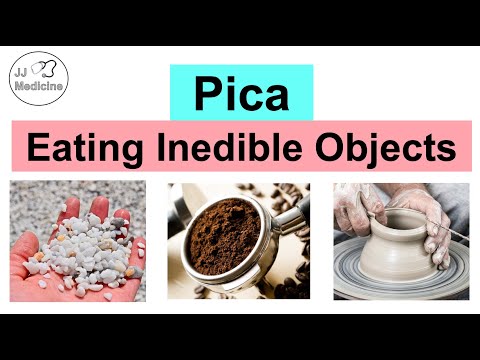
So, you’ve heard of pica, right? No? Well, it’s not exactly the hottest topic at dinner parties. But trust me, it’s super interesting—and a bit strange.
Este blog ofrece contenido únicamente con fines informativos, educativos y de reflexión. La información publicada no constituye consejo médico, psicológico ni psiquiátrico, y no sustituye la evaluación, el diagnóstico, el tratamiento ni la orientación individual de un profesional debidamente acreditado. Si crees que puedes estar atravesando un problema psicológico o de salud, consulta cuanto antes con un profesional certificado antes de tomar cualquier decisión importante sobre tu bienestar. No te automediques ni inicies, suspendas o modifiques medicamentos, terapias o tratamientos por tu cuenta. Aunque intentamos que la información sea útil y precisa, no garantizamos que esté completa, actualizada o que sea adecuada. El uso de este contenido es bajo tu propia responsabilidad y su lectura no crea una relación profesional, clínica ni terapéutica con el autor o con este sitio web.
Imagine craving things like dirt or chalk. Sounds bizarre, huh? But for some folks, this is a real thing!
You might be wondering what makes someone want to munch on non-food items. I mean, it’s not like there’s a menu for that!
In this chat, we’re gonna dig into the whys and hows of pica. And who knows? You might learn something that totally blows your mind. So stick around!
Understanding Pica: Definition, Causes, and Diagnosis Methods
Pica is pretty intense, but what is it exactly? It’s a type of eating disorder where people crave and consume non-food items. Yeah, you heard that right! Instead of munching on chips or chocolate, someone with pica might eat things like dirt, chalk, or even paper. This condition can affect anyone but is more common in children and pregnant women.
So why does this happen? The causes of pica can vary widely. Sometimes it’s linked to nutritional deficiencies, especially iron or zinc. Other times, it can stem from psychological issues like stress or developmental disorders. It’s like when you’re playing a game and suddenly realize you’re missing a key item—you start looking everywhere for it! In the case of pica, that «missing item» might be something your body feels it needs.
Let’s dive into some of the possible causes:
- Nutritional Deficiencies: Low levels of essential nutrients can lead to unusual cravings.
- Psychological Factors: Conditions like anxiety or autism spectrum disorders may contribute.
- Cultural Influences: In some cultures, eating certain non-food items may hold symbolic meaning.
If you think someone might have pica, how do you even tell? Well, here are some symptoms to look out for:
- Consuming Non-Food Items: Regularly eating things like clay or pebbles.
- Lack of Interest in Food: They might skip normal meals for their quirky cravings.
- Mouth Sores or Gastrointestinal Issues: Eating strange stuff can lead to health problems!
The diagnosis process usually starts with a thorough chat with a healthcare professional. They’ll ask about eating habits and any accompanying symptoms. Sometimes they may run tests to check for those pesky nutrient deficiencies we talked about earlier.
This isn’t just a phase! Pica can lead to serious health consequences if not addressed. For example, let’s say someone eats enough dirt—they might end up with parasites. Yikes! So paying attention to these signs is super important.
If you suspect you or someone close to you has pica, don’t hesitate to reach out for help. While this overview gives good insight into what pica is all about—getting professional advice is key here. Think of it this way: just as you’d consult a strategy guide for a tricky level in your favorite game, turning to an expert is vital when dealing with health issues like this!
The bottom line? Pica involves complex layers ranging from physical needs to psychological elements. Understanding these layers helps us grasp its impact on those affected by it without any confusion—just clarity!
Identifying Warning Signs and Symptoms of Pica: Understanding the Condition
Pica is an eating disorder where people crave and consume non-food items. It might sound strange, but it’s more common than you think. People with pica can eat anything from dirt to chalk, and it can be a sign of other underlying issues.
So, what exactly are the warning signs and symptoms of pica? Here’s a breakdown:
- Persistent cravings for non-food items. This can last for months or even years, which is a big red flag.
- Consumption of items that have no nutritional value. Think about things like paper, metal, or even hair—totally not food!
- Ignoring potential health risks. If someone eats something dangerous but doesn’t seem to care, that’s concerning.
- Physical symptoms such as stomach pain or dental issues might pop up after consuming these items. It’s like your body is sending a distress signal.
Here’s an example: imagine a kid who constantly chews on crayons instead of snacking on apple slices. His mom notices he always has colorful stains on his hands and sometimes complains about tummy aches. That could be pica in action!
Now, pica is often linked to certain factors like nutritional deficiencies, developmental disorders, or other mental health issues. Sometimes it shows up in people who are pregnant, which might be due to cravings or imbalances in their bodies.
But let’s talk about diagnosis! A doctor usually looks for two main things:
- The eating behaviors have lasted at least one month.
- The behavior isn’t part of a culturally supported practice.
If you’re concerned someone might have pica (or if it’s you), getting professional help is super important. They can help figure out the cause and develop a treatment plan.
Remember, recognizing these symptoms matters because untreated pica can lead to serious health problems. So if you see these signs in yourself or someone else, don’t hesitate to reach out for support!
6 Common Cravings Experienced by Women with Pica: Understanding the Condition
If you ever find yourself craving some pretty unusual stuff, like dirt, chalk, or even soap, you might have come across a condition known as Pica. It’s more common than you’d think, especially among women. So let’s break down some of the typical cravings and what they mean.
Pica is characterized by a persistent craving for non-food items. These cravings can vary widely but often include:
- Dirt or Clay: Often referred to as geophagy, this craving can be linked to nutrient deficiencies. Some people feel that eating clay can help with digestive issues.
- Chalk: A chalk craving might seem odd but it’s not unheard of. It can be a way to cope with nausea or just a strange comfort food.
- Paper: Yes, some folks crave paper! It might sound weird, but for some people chewing on paper provides a soothing sensation.
- Starch: This could include things like laundry starch or even cornstarch. Interestingly enough, starch is sometimes craved when the body is deficient in certain minerals.
- Soap: Believe it or not, some crave the taste of soap! It’s usually about the texture or scent rather than actually wanting to consume something so unpalatable.
- Hair: Some people find themselves chewing on hair; this is part of another condition called trichophagia. While it seems strange, it can provide sensory satisfaction.
The cravings aren’t just about hunger—there’s often something deeper going on. For instance, women with pica may experience iron deficiency anemia which leads to these odd food alternatives as their bodies look for sustenance in unusual places.
Anecdotally speaking, I once knew someone who couldn’t stop munching on clay while pregnant. She swore it helped settle her stomach! But that’s where things can get tricky because while your body may be sending signals for certain nutrients—craving non-food items is not healthy and should definitely be addressed professionally.
If you notice this pattern in yourself or someone else, it’s important to reach out and talk to a doctor or therapist. They can perform assessments and guide toward treatments which could include dietary changes or therapy options suited for the specific situation.
In short? Pica isn’t just quirky; it’s a sign that something might need attention. Understanding these cravings isn’t just about satisfying them; it’s also about taking care of your health and well-being!
You know, I was reading about something called pica the other day. It’s kind of wild! Pica is a condition where people eat things that aren’t food. I mean, we all have our quirks and cravings, but this is on another level. Some folks munch on things like dirt, paper, or even chalk. Imagine that!
It made me think of a friend of mine from school who used to chew on erasers. Just seeing her do that would make me cringe a bit! She wasn’t doing it for attention or to be weird; she just liked the texture and taste. It wasn’t until later that I realized there could be more going on beneath the surface with behaviors like that.
So, here’s the deal with pica: it’s not just about unusual eating habits; it can be linked to nutrient deficiencies or mental health issues. For example, some people might crave non-food items when they’re lacking in certain vitamins or minerals. That’s pretty eye-opening, right? On top of that, pica can sometimes be rooted in stress or developmental disorders.
Recognizing the symptoms is key. If someone has an intense desire to eat non-food stuff for over a month – and we’re talking about things that could be harmful – it might be time to seek help. You know what? It’s super important for loved ones to approach these situations with empathy rather than judgment because it can be really complex.
Awareness plays a big role in understanding pica too. The more we talk about conditions like this – even if they seem odd at first glance – the better equipped we are to support those who may be struggling with them. In the end, what really matters is compassion and support for each other in our quirkiest moments.
So next time you see someone picking at something strange or reminiscing over some odd snack combination, just remember: there might be more going on than meets the eye!