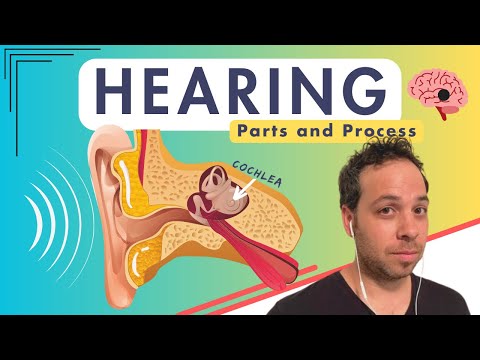
Hey! You ever wonder why certain sounds can just make your heart race or bring back a flood of memories? I mean, sound is everywhere, right? It shapes our world in ways we don’t even realize.
Este blog ofrece contenido únicamente con fines informativos, educativos y de reflexión. La información publicada no constituye consejo médico, psicológico ni psiquiátrico, y no sustituye la evaluación, el diagnóstico, el tratamiento ni la orientación individual de un profesional debidamente acreditado. Si crees que puedes estar atravesando un problema psicológico o de salud, consulta cuanto antes con un profesional certificado antes de tomar cualquier decisión importante sobre tu bienestar. No te automediques ni inicies, suspendas o modifiques medicamentos, terapias o tratamientos por tu cuenta. Aunque intentamos que la información sea útil y precisa, no garantizamos que esté completa, actualizada o que sea adecuada. El uso de este contenido es bajo tu propia responsabilidad y su lectura no crea una relación profesional, clínica ni terapéutica con el autor o con este sitio web.
So, let’s talk about auditory perception. Sounds fancy, huh? But really, it’s all about how our brain processes what we hear. From the rustle of leaves to your favorite song playing in the background, it’s a wild journey.
Your brain’s like this incredible DJ, mixing and matching sounds to create meaning. Sometimes it hits all the right notes; other times, well… not so much.
Stay with me here, because understanding how this works can change how you experience sound every day. Trust me—it’s worth a listen!
Identifying the Red Flags of Auditory Processing Disorder: Key Signs to Watch For
Hey there! Let’s talk about something really interesting today: Auditory Processing Disorder, or APD for short. This is a condition that affects how your brain processes sounds. It’s not about hearing loss; it’s more like a traffic jam in your brain when sounds come in. You might not realize it at first, but there are some signs you can keep an eye on.
Imagine this: You’re in a crowded room, and someone starts talking to you. But instead of just hearing their voice, your brain is mixing it up with all the background noise. Frustrating, right? Now, let’s jump into some red flags you might notice if APD is at play.
- Trouble Following Directions: If giving multi-step instructions feels like throwing spaghetti against a wall—some things stick, and some just fall flat—it might be worth paying attention to.
- Difficulty Understanding Speech: Especially in noisy places! You know those times when you’re trying to have a conversation, but the background music makes it feel impossible? That could be more than just annoying.
- Mixing Up Sounds: Some folks with APD might confuse similar-sounding words or misinterpret what they hear. Like hearing “beach” instead of “teach.” Wild, huh?
- Poor Listening Skills: Imagine playing “Simon Says,” but instead of getting the commands right, you’re lost half the time. It can feel like that for people with APD during conversations.
- Easily Distracted by Sounds: If someone gets bothered by ticking clocks or buzzing lights more than others do, take note! Sounds that seem subtle to most can be incredibly distracting for someone with APD.
If you’ve ever felt overwhelmed by noise or noticed these signs in someone else, don’t brush it aside! Sometimes our brains just work differently when processing sounds. This doesn’t mean there’s anything wrong; it’s simply how they navigate the world.
Your experience matters! For instance, consider a kid playing video games where listening skills are essential—the sound cues signal what actions to take next. If they struggle to interpret these cues because of APD, they’re missing out on key parts of the game!
If these signs resonate with you or someone close to you—don’t hesitate! Talking to a professional who specializes in auditory processing can make all the difference. They understand the ins and outs way better than an amateur like me!
So keep these red flags in mind as we explore this fascinating aspect of human perception together. It’s all about understanding how our brains work and finding ways that help us navigate sound better!
Understanding Auditory Perception: Key Concepts and Psychological Implications
Auditory perception is a fascinating aspect of how we interact with the world around us. It’s about how our brains process sounds. You might not think about it every day, but sound shapes our experiences from the moment we wake up to the time we go to bed.
First up, let’s talk about how sound travels. Sound waves are vibrations traveling through the air. When these waves reach your ears, they are converted into electrical signals that your brain can understand. This process is pretty cool! Your outer ear collects the sound, and then it goes through a series of steps before reaching your brain.
Now, once those signals hit your brain, they’re processed in a few areas. The most important one is the auditory cortex, located in the temporal lobe. This area helps you recognize different sounds and interpret them. Ever heard a song and felt like dancing? Your auditory cortex is likely part of why that happens!
There are some key concepts in auditory perception that really make this topic pop:
- Frequency: This refers to how high or low a sound is—think of high-pitched birds chirping versus deep bass notes in music.
- Loudness: It’s all about intensity! A whisper is quiet; thunder is loud.
- Timbre: This describes the unique quality or color of a sound—like how you can tell that it’s a guitar versus a piano playing the same note.
- Localization: Your ears help you figure out where sounds are coming from. It’s like when you’re playing a video game, and you hear an enemy approaching—you naturally turn towards it.
These concepts shape our daily experiences and even affect our emotions. For instance, certain melodies can lift your mood while other noises might drive you up the wall!
You know what? Auditory perception isn’t just about hearing—it also plays a big role in communication and social interactions too. Imagine sitting at dinner with friends—the clinking glasses, laughter, and conversation create an atmosphere that simply wouldn’t feel right without those sounds!
But there’s more to consider when we dive deeper into auditory processing: psychological implications come into play as well! If someone struggles with hearing or processing sounds (like people with auditory processing disorder), it can lead to frustration or social anxiety because they might miss out on key info in conversations.
And let’s not ignore how exposure to different sounds influences our mental state! For example, calming nature sounds can reduce stress while jarring noises could increase anxiety levels—seriously think about how loud sirens make you feel!
All this brings us back to why understanding auditory perception matters. It affects everything from learning new things to enjoying music and even interacting with others.
If you’re curious about improving your auditory skills or dealing with challenges related to sound perception, chatting with professionals like audiologists or therapists could be super helpful—but remember this write-up doesn’t replace expert advice.
So next time you hear something—a song, someone laughing or maybe even traffic noise—take a moment to appreciate all that’s going on behind the scenes in your mind as those sounds swirl around you!
Understanding Auditory Perception: Key Examples and Their Psychological Implications
Okay, let’s talk about auditory perception! It’s one of those topics we don’t think about much, yet it plays a huge role in our everyday lives. Basically, it’s how our brains process sounds. When you hear music or someone talking, that information goes on a little journey through your brain.
First off, think about how sound waves travel through the air. These waves hit your ear drum and get converted into signals your brain can understand. This whole process involves several parts of your brain working together. Pretty cool, huh?
- The Ear’s Anatomy: Your ears do all the heavy lifting by picking up sound waves. The outer ear collects them, while the middle ear vibrates in response to those waves.
- The Auditory Cortex: After the initial processing by the inner ear, those signals hop over to the auditory cortex in your brain. This area interprets what you’re hearing.
- Sound Localization: Ever notice how you can tell where a sound is coming from? That’s due to tiny differences in timing and volume when sounds reach each ear.
If you’re playing video games and hear footsteps behind you or a car screeching around the corner, that’s your brain using auditory cues. Game developers use this principle to make experiences more immersive and exciting!
Now let’s consider some psychological implications of auditory perception. Have you ever noticed how certain songs can evoke strong emotions? There’s something called “musical imagery,” which means your brain can replay sounds even when they’re not happening right now.
- Memory & Sound: Memories tied to specific sounds or music can be incredibly nostalgic. Ever hear a song from high school and suddenly feel all those old feelings? That’s auditory memory at work!
- Cognitive Load: Our brains have limits on how much information we can process at once. When there are too many sounds happening at the same time—like background noise in a crowded café—it can become overwhelming and distract us from what we really want to focus on.
You know what? This opens up another area: how people with hearing issues perceive sound differently. Some might experience heightened sensitivity to certain frequencies (known as hyperacusis). It can really interfere with daily life when even normal sounds feel painfully loud!
Lastly, there’s something fascinating known as “auditory illusions.” These are tricks our brains play on us where we perceive non-existent sounds or misinterpret real ones—like hearing phantom phone vibrations or echoes in quiet rooms.
- The Shepard Tone: It sounds like it’s constantly ascending but actually loops back down without any end—so wild!
- The McGurk Effect: When you see someone pronounce one sound but hear another, yet your brain combines them into something completely different!
Auditory perception isn’t just about hearing; it shapes our interactions and feelings toward the world around us! If you’re curious about any specific challenges related to this topic—like difficulties processing sound—it might be helpful to chat with a professional who specializes in these areas!
This stuff is super interesting! The way we experience sound resonates deeply within us and influences so many aspects of life more than we realize.
Ever find yourself lost in music, floating away with the beat, or maybe completely zoned in on a conversation at a noisy café? That’s auditory perception at work, and it’s pretty cool how our brains process sound. So let’s chat about this fascinating topic.
Imagine this: you’re at a family gathering. There’s chatter everywhere—your aunt is laughing, kids are running around, and then out of nowhere, you hear your name. Your brain picks up that sound instantly! It’s like a superpower, right? That ability to focus on one sound amidst all the chaos is due to something called auditory perception.
Now, what happens in your brain? Basically, when sound waves enter your ears, they get transformed into electrical signals that travel to the auditory cortex. Here’s where the magic happens. This region helps us interpret sounds based on various factors like frequency and amplitude. If it sounds confusing, think of it like this: if your ears are the speakers collecting sounds, then your brain is the DJ mixing everything together.
But wait! Did you know that our brain doesn’t just process sounds linearly? It considers context too. Like when you’re watching a movie with explosions and dialogue at once; your brain helps prioritize what’s important based on visual cues. Isn’t that wild? You can actually tune out certain noises without even realizing it!
You might be thinking about those days when everything feels overwhelming—the noise of traffic or even loud crowds can stress us out big time. That overstimulation affects auditory perception too! When there’s too much going on, it can be hard for your brain to keep track of everything. I remember walking through a busy market last summer; vendors shouting their deals left and right made me cranky! But once I found a little corner with chill music playing in the background it felt like my mind switched gears.
Auditory perception isn’t just about hearing either; it’s also how we understand speech and music. Ever wondered why some people have perfect pitch while others can’t carry a tune? Our experiences shape these abilities over time—so if you’ve been singing in the shower since childhood or jamming with friends regularly, that practice plays into how you perceive sounds.
At the end of the day, our ability to process sound is an intricate dance between nature and nurture—our brains are wired to recognize patterns but also learn from our experiences. And honestly? It makes every little chirp or song feel more special because each has its own story we get to appreciate.
So next time you’re listening to your favorite track or having one of those deep conversations over coffee amidst all that clatter—take a moment to appreciate just how incredible your brain really is! You’re experiencing a whole world of sound processing that connects so much more than we often realize.


