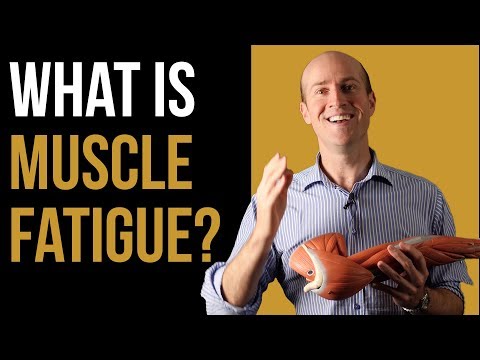
Hey there! So, let’s chat about muscle fatigue after you’ve crushed that workout. You know that feeling when your legs turn to jelly and your arms feel like they’ve been in a wrestling match? Yeah, we’ve all been there!
Este blog ofrece contenido únicamente con fines informativos, educativos y de reflexión. La información publicada no constituye consejo médico, psicológico ni psiquiátrico, y no sustituye la evaluación, el diagnóstico, el tratamiento ni la orientación individual de un profesional debidamente acreditado. Si crees que puedes estar atravesando un problema psicológico o de salud, consulta cuanto antes con un profesional certificado antes de tomar cualquier decisión importante sobre tu bienestar. No te automediques ni inicies, suspendas o modifiques medicamentos, terapias o tratamientos por tu cuenta. Aunque intentamos que la información sea útil y precisa, no garantizamos que esté completa, actualizada o que sea adecuada. El uso de este contenido es bajo tu propia responsabilidad y su lectura no crea una relación profesional, clínica ni terapéutica con el autor o con este sitio web.
It’s kind of a weird mix of pushing yourself and that “oh man, I really did something today” satisfaction. But what’s actually happening in your body? Why do you feel like you can’t even lift a grocery bag the next day?
And more importantly, how do you bounce back from it? Like, there’s gotta be a way to make those sore muscles cooperate again, right? Buckle up because we’re diving into the nitty-gritty of muscle fatigue and how to recover like a champ!
Effective Strategies for Quick Recovery from Muscle Fatigue: A Practical Guide
Muscle fatigue after exercise can feel like a heavy weight holding you back. It’s that tired, achy feeling in your muscles after a good workout or intense physical activity. This happens for a few reasons, and knowing how to recover quickly can really help you bounce back.
Muscle fatigue often results from the depletion of energy sources in your muscles, like glycogen. When you push your body hard, it uses these fuel reserves up faster than they can be replenished. Additionally, the buildup of metabolic byproducts, such as lactic acid, contributes to that heavy feeling in your limbs. So, what can you do about it? Let’s break down some effective strategies.
- Hydration is key: Drinking water helps flush out toxins and aids muscle recovery. Dehydrated muscles can’t perform at their best!
- Take a break: Rest is vital for recovery. Giving your muscles time to heal prevents overuse injuries.
- Stretch!: Gentle stretching increases flexibility and blood flow to your muscles, which helps with recovery.
- Nutrition matters: Consuming protein and carbs post-exercise replenishes energy stores and repairs muscle fibers. A smoothie with banana and protein powder works wonders!
- Active recovery: Engaging in light activities like walking or yoga keeps blood circulating without putting too much stress on your muscles.
- Sleep well: Your body does its major healing while you snooze! Aim for 7-9 hours a night for optimal recovery.
Now let’s chat about one more thing: emotional health plays a role too! Sometimes when we push ourselves too hard physically, we also carry stress or anxiety into our workouts. Just like you’d reboot a game console by turning it off and on again, taking a mental break could recharge you both emotionally and physically.
Remember how sometimes your favorite character in a game needs time to recover health after taking damage? Your body works similarly! After pushing hard during those intense sessions at the gym or on the field, give yourself some time to bounce back.
All these strategies are helpful but don’t forget—if you’re experiencing severe fatigue or pain that lingers longer than expected, it might be smart to chat with a healthcare professional. They can help figure out what’s going on and how best to help you recover safely!
Understanding Muscle Fatigue Symptoms: Physical and Psychological Insights
Muscle fatigue is that feeling of tiredness in your muscles after a workout, right? It can hit you like a truck, and it’s not just about how hard you’ve pushed yourself physically. There’s a psychological twist to it too. Let’s break down the symptoms and what causes this fatigue, along with some recovery strategies that might help.
Physical Symptoms of Muscle Fatigue
After a good gym session or a long run, you might notice some common physical signs of muscle fatigue:
- Weakness: Your muscles feel less powerful than usual. It’s like trying to lift your bag after leg day; it feels heavier than it should.
- Soreness: You know that ache in your muscles? It’s called delayed onset muscle soreness (DOMS), and it can kick in 24 to 48 hours post-exercise.
- Reduced Performance: You might find it tough to complete your usual sets or miles.
- Trembling: When you’re pushing hard, sometimes your muscles shake – that’s fatigue signalling it’s had enough!
These symptoms generally indicate that your muscles need some time to recover and rebuild.
Psychological Symptoms of Muscle Fatigue
Muscle fatigue isn’t all about the body; your mind plays a big role too. It can really impact how you feel during and after exercise. Here’s what can happen:
- Lack of Motivation: After intense workouts, you might feel unmotivated to hit the gym again soon.
- Mental Exhaustion: Just like physical fatigue, exercising can leave you mentally drained, making it hard to focus on other tasks.
- Anxiety or Stress: If you’re overly focused on performance or worried about injuries, this can amplify feelings of fatigue.
Think about playing an intense video game; when you’ve been at it for hours, your fingers are tired, but so is your brain from concentrating. The same goes for exercising!
Causes of Muscle Fatigue
Muscle fatigue comes from different sources. A few key reasons include:
- Lactic Acid Build-Up: When you exercise intensely, lactic acid can accumulate in the muscles causing that burning sensation.
- Nutrient Deficiency: Lack of essential nutrients (like protein or carbohydrates) affects recovery and endurance. You wouldn’t play a game on an empty battery!
- Certain Medications: Some meds may affect muscle function or energy levels.
In essence, both physical strains and mental factors contribute to how fatigued we feel.
Recovery Strategies
So how do we bounce back from muscle fatigue? Here are some strategies worth considering:
- Rest and Sleep: Your body needs time to heal. Make sure you’re getting good quality sleep – it’s when most repairs happen!
- Nourishment: Eat balanced meals with proteins for muscle repair and carbs for energy replenishment. Think grilled chicken with veggies!
- Mild Stretching: Gentle stretching can ease soreness without causing more strain – kind of like giving your legs a hug!
- Pacing Yourself: Listen to your body! Gradually increase workout intensity rather than going full throttle every session.
If you’ve ever played a sport where stamina matters (think soccer), pacing yourself while building strength is crucial.
All in all, understanding both the physical and psychological sides of muscle fatigue helps us deal with it better. Keep in mind though; if muscle fatigue turns into consistent pain or doesn’t improve over time, chatting with a professional is really smart! They’ll help get you back on track safely without any guesswork.
Effective Strategies for Treating Muscle Fatigue After Exercise: A Comprehensive Guide
Muscle fatigue after exercise can leave you feeling like a soggy noodle, right? It happens when your muscles feel tired and can’t push through anymore, but no worries! You’re not alone in this. Let’s break down what causes muscle fatigue and explore some effective ways to recover.
Causes of Muscle Fatigue
When you work out, especially during intense sessions, your muscles use up their energy reserves. This depletion leads to fatigue. Here are some common culprits:
- Energy Depletion: Your muscles utilize glycogen for fuel, and if it runs low, fatigue kicks in.
- Lactic Acid Build-up: Intense exercise can lead to lactic acid accumulation, which contributes to that burning sensation.
- Dehydration: Not drinking enough water can affect muscle function and recovery.
- Nutrient Deficiency: Insufficient vitamins and minerals might hinder proper muscle recovery.
So now that you know why it happens, let’s look at how to treat muscle fatigue effectively.
Recovery Strategies
1. **Hydration is Key:** Drinking water before, during, and after your workout is crucial. Dehydration can worsen fatigue. Keep a water bottle handy!
2. **Rest Up:** Giving your body time to recover is super important. Rest days aren’t for losers; they help rebuild those tired muscles!
3. **Stretching Matters:** After working out, stretching helps improve blood flow and can ease tightness. Think of it like giving your muscles a gentle hug.
4. **Nutritional Boost:** Eating protein-rich foods helps repair muscle damage. Foods like chicken, beans or nuts are great choices post-exercise.
5. **Massage Therapy:** Seriously, there’s something magical about a good massage! It increases circulation and can alleviate soreness.
6. **Gentle Movement:** Engaging in light activities like walking or yoga encourages blood flow without overexertion.
7. **Cold Therapy or Ice Packs:** Applying ice to sore areas can reduce inflammation and numb the discomfort.
8. **Heat Therapy:** A warm bath or heating pad may relax tight muscles after the initial inflammation has gone down.
9. **Sleep Well:** Sleep plays an essential role in recovery as it’s when your body does most of its healing work!
10. **Listen To Your Body:** If you’re feeling worn out consistently, it might be time to slow down or consult with a healthcare professional for tailored advice.
A Quick Anecdote
I remember one time after an intense week of running—I thought I was training for the Olympics! But come Sunday morning? Oof! My legs felt like lead weights dragging behind me! I learned quickly that sleeping in and eating a hearty breakfast filled with eggs and toast made all the difference come Monday morning workout time.
Just remember: while these strategies can significantly help with muscle fatigue after exercise, they’re not substitutes for professional guidance if you’re experiencing severe or persistent issues with fatigue. Consult with trained professionals if anything feels off!
Overall? You’ve got the tools now—keep listening to your body!
You know that feeling when you’ve just finished an intense workout, and your muscles are screaming at you? Yeah, muscle fatigue is real. It’s kind of like your body’s way of saying, “Whoa there! We did some serious work!” I remember this one time after a killer leg day. I thought I could conquer the world. But when I tried to walk up the stairs afterward? Let’s just say it was like climbing Everest.
So what causes this muscle fatigue anyway? Well, during exercise, your muscles use up their energy stores, and they produce these little troublemakers called lactic acid. It builds up and can make you feel that burn. Besides the lactic acid party going on, you’ve got tiny tears in your muscle fibers from all that heavy lifting or cardio madness. This is super normal and actually part of how muscles grow stronger over time.
But hey, don’t get too discouraged! Fatigue is just your body’s cue to take a breather, but recovery is essential if you want to keep crushing those workouts without feeling like a zombie the next day. You gotta give yourself some TLC—your muscles deserve it! Hydration is key; water helps flush out toxins and move nutrients around for healing. And while we’re on the topic of nutrition, refueling with some protein and carbs post-workout can work wonders! It’s like giving your muscles a high-five.
And then there’s rest—yep, sweet, sweet rest. Sometimes all your body really needs is a good night’s sleep or a couple of days off from intense workouts. Plus, mixing in some light stretching or yoga can help ease that tightness and keep those muscles happy.
So yeah, muscle fatigue isn’t fun while you’re experiencing it—like being trapped under a weight you can’t lift—but it’s totally manageable with some simple recovery strategies. Just listen to your body! And remember that every time you go through this cycle of fatigue and recovery, you’re getting stronger and more resilient. Keep at it!