You know those days when nothing seems to go right?
Este blog ofrece contenido únicamente con fines informativos, educativos y de reflexión. La información publicada no constituye consejo médico, psicológico ni psiquiátrico, y no sustituye la evaluación, el diagnóstico, el tratamiento ni la orientación individual de un profesional debidamente acreditado. Si crees que puedes estar atravesando un problema psicológico o de salud, consulta cuanto antes con un profesional certificado antes de tomar cualquier decisión importante sobre tu bienestar. No te automediques ni inicies, suspendas o modifiques medicamentos, terapias o tratamientos por tu cuenta. Aunque intentamos que la información sea útil y precisa, no garantizamos que esté completa, actualizada o que sea adecuada. El uso de este contenido es bajo tu propia responsabilidad y su lectura no crea una relación profesional, clínica ni terapéutica con el autor o con este sitio web.
You’re trying to get your kiddo to focus, but distractions are everywhere.
Well, there’s this technique in ABA therapy called response cost that might just be the game changer you need.
It sounds fancy, but it’s actually pretty simple. Basically, it’s about taking away something positive when a behavior pops up that you want to discourage.
Think of it as a gentle reminder that actions have consequences—like when you forget your wallet and can’t buy that coffee you love!
So, let me share some cool insights on how this works and why it can be super effective!
Understanding Response Cost in ABA: Practical Examples and Applications
Response cost is a concept in Applied Behavior Analysis (ABA) that can seem a bit tricky at first, but once you break it down, it starts to make sense. Basically, it’s about taking away something a person values when they engage in undesirable behavior. The idea is to discourage those behaviors without being too harsh.
So, how does this work? In the context of ABA therapy, response cost involves removing some form of reinforcement or privilege as a consequence for certain behaviors. This doesn’t mean you’re punishing someone harshly; instead, it’s about teaching them that certain actions have consequences. You with me?
Let’s say you’re using response cost with a kiddo who loves video games. If they throw a tantrum when it’s time to turn off the console, you might take away their gaming time as a short-term consequence. But make sure that they understand why this is happening! You’d explain that their behavior led to losing some game privileges.
Here are some practical applications of response cost in ABA:
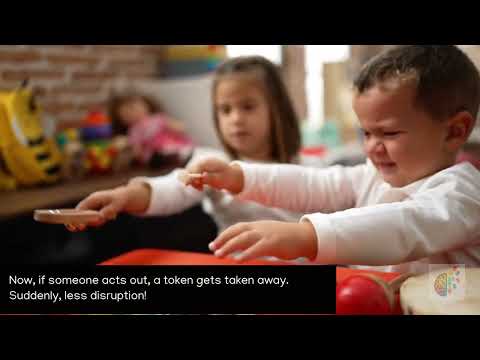
- Token Systems: Imagine kids earning tokens for good behavior which they can later exchange for rewards like extra playtime or snacks. If they misbehave, they might lose some tokens.
- Privileges: Taking away recess time if students are being disruptive can be effective. They value that break time and may think twice about their actions.
- Negative Reinforcement: If someone has access to certain activities only when they’re behaving well—like choosing lunch options—they lose access when they’re acting out.
A quick personal story—my little cousin loved playing soccer during his free time but struggled with listening during practice. So his coach implemented a rule: for every time he didn’t follow instructions, he lost five minutes of playtime at the end of practice. While rough on him initially, he soon realized he had more fun by paying attention! Cool right?
Now here’s the catch: It’s super important to use response cost wisely and sparingly because too much can create anxiety or resentment towards the activity you’re trying to teach better behavior around. You want kids or clients to learn positive behavior rather than feel like they’re constantly under threat of losing something.
Also, be clear and consistent! If losing video game time is the result today but not tomorrow? Confusion will set in and we definitely don’t want that.
Response cost can be pretty effective when combined with other strategies like positive reinforcement—because let’s face it, everyone likes rewards! Balancing these elements helps create an environment where learning feels safe and motivating instead of punitive.
Remember though: if you’re looking into using these techniques practically—don’t skip professional guidance! Working with trained ABA therapists ensures you apply these concepts in ways tailored specifically for individual needs.
That said, response cost can be an interesting tool in your toolkit if used correctly! So keep it supportive and watch those positive changes happen over time!
Practical Examples of Response Cost in Behavioral Interventions
Response cost is one of those behavioral strategies that can seem a bit tricky at first, but once you get into it, you’ll see how it plays a role in helping modify behaviors. So, let’s break it down.
Basically, response cost means taking away something valuable to reduce unwanted behavior. Imagine you’re playing a game, and every time you break a rule or mess up, you lose something — points, tokens, or maybe even a chance to roll again. That’s a simple example of response cost in action!
Here are some practical examples of how response cost can be applied:
- Token Systems: In ABA therapy, kids often earn tokens for positive behaviors. If they act out or don’t follow instructions, they might lose some tokens. For instance, let’s say Jamie earns a token for every time he finishes his homework without being reminded. If he throws a fit one day instead of just doing the work? He might lose a couple of those hard-earned tokens.
- Classroom Behavior: Teachers sometimes use response cost to keep the classroom orderly. Let’s take Ms. Smith’s fourth grade class where students have points for good behavior. If Timmy disrupts the class by yelling out answers instead of raising his hand, he may lose points that could have led to extra recess time.
- Parental Settings: Parents might implement response cost at home during chores or screen time limits. For example, if Lily forgets to clean her room after being asked several times, her parents might take away an hour of her tablet usage for that day.
- Social Skills Development: Sometimes in social skills groups for children with autism spectrum disorder (ASD), losing opportunities for playtime together can encourage more appropriate interactions. If Alex doesn’t share his toys appropriately during group playtime? He might miss out on the next round of play with friends.
Now let’s chat about the balance aspect here because it’s super important! You don’t want to overdo it and make someone feel like they’re always losing something valuable because that could lead to frustration or feeling defeated. It should be a learning tool instead.
So remember this: when using response cost in behavioral interventions like ABA therapy, we’re not just snatching things away willy-nilly; we’re guiding individuals toward more positive behaviors by creating clear expectations and consequences.
It’s crucial though to make sure this strategy is part of a **broader** plan that includes positive reinforcement as well! If they’re only losing things and not experiencing any rewards? Well, that just doesn’t create an encouraging environment.
And hey—if you’re looking into implementing this kind of strategy with someone who might need extra help? Always reach out to professionals who can guide you through properly because every situation is unique!
In all honesty, response costs can be very effective when used correctly and alongside other strategies like praising good behavior or offering rewards when they do things right! So keep those lines open and remember that every little step counts!
Understanding Response Cost: Its Definition and Psychological Impact
Response cost is a term you might come across, especially in the world of behavior therapy. It’s like a little punishment or consequence, where some sort of reward gets taken away for bad behavior. This method is popular in Applied Behavior Analysis (ABA) therapy as a way to help modify behaviors, especially in kids with autism. So let’s break it down.
What exactly does this look like? Picture this: you’re playing a game where you earn points for every good move you make. But if you mess up—let’s say you skip a turn—you lose some of those precious points. That’s response cost in action! It encourages you to think twice before making that mistake again because, well, losing points can sting.
The psychological impact of response cost can be pretty significant. When kids (or adults!) see that their actions have consequences—like losing something they value—they may start to connect the dots between behavior and outcome. This connection can lead to more thoughtful choices down the line.
Let’s look at some key points about this concept:
- Immediate Feedback: Response cost provides quick feedback on behavior, which is crucial for learning.
- Emotional Responses: Losing a reward can cause feelings of disappointment or frustration but can also motivate change.
- Behavioral Change: Over time, consistent use of response cost can help individuals adjust their behaviors toward more desirable actions.
- Balance is Key: Too much focus on penalties can lead to anxiety or defiance; balance is essential.
Think about it like training a puppy! If your furry friend jumps on guests and loses out on treats when they do that—bam! They start connecting jumping with missing out on treats. But if they also get praise and rewards for sitting nicely, they’re likely to learn faster what’s expected of them.
However, there’s definitely a flip side here too. If used too harshly or without enough positives to balance it out, response cost might just create stress rather than positive change. Imagine substituting all your fun rewards with strict penalties; it wouldn’t feel good at all!
In the end, response cost can be effective when it’s part of a broader strategy that includes positive reinforcement and clear communication about what behaviors are desired or not. Remember though: while this approach works wonders for some people—it doesn’t work for everyone!
If you’re considering implementing something like this—whether for yourself or someone else—talking with a professional familiar with ABA therapy would be super helpful. You really want to make sure it aligns well with individual needs and circumstances so nobody feels overwhelmed or too pressured.
So there you go! Response cost may sound simple in theory but has real psychological implications that make it an important tool in behavior modification strategies!
So, let’s talk about the idea of response cost in ABA therapy. It might sound a bit technical, but hang on! Basically, it’s all about taking something away as a way to encourage better behavior. You know how when you forget to do your chores and your parents take away your privileges? Well, that’s kind of what it is—just a lot more structured and used for teaching kids.
I remember this one time in high school when my friend Sam got grounded because he couldn’t stop talking during class. He lost his phone for a week! It felt harsh at the time, but you know what? Sam learned to pay attention better after that. That’s kinda how response cost works; it’s about understanding consequences in a way that leads to change.
But here’s the catch: it’s not just about punishment. The key is that it needs to be applied thoughtfully. If you take away something too frequently or without clear reasons, it can feel unfair or confusing. Imagine trying really hard on an assignment only to lose points for small mistakes—it’s super frustrating! Instead of motivation, it might just lead to feeling defeated.
In ABA therapy, we often see this used with kids who have autism or behavioral challenges. The therapist figures out what motivates each child and then decides what to take away if they misbehave. So, if a kid loves playing with a favorite toy and they don’t listen during an activity? That toy might get put away temporarily until they can manage their behavior better.
But let me tell you—there’s this balancing act involved here. You can’t just yank things away left and right without also providing support and encouragement for positive actions too! This isn’t a system of doom and gloom; rather, it’s about guiding kids toward positive development while also helping them understand that their choices have consequences.
And really, communication plays such an important role here. It makes sense that explaining why something is being taken away can help kids absorb the lesson better. «Hey buddy, I had to take your tablet because you weren’t following the rules we set together.» You’re not just punishing them; you’re teaching!
So yeah, effective use of response cost in ABA therapy is all about finding that sweet spot between guidance and discipline—using consequences in ways that help rather than harm. When done right it’s like giving someone gentle nudges toward making better choices while still letting them know they’re supported along the way. Pretty neat concept if you ask me!