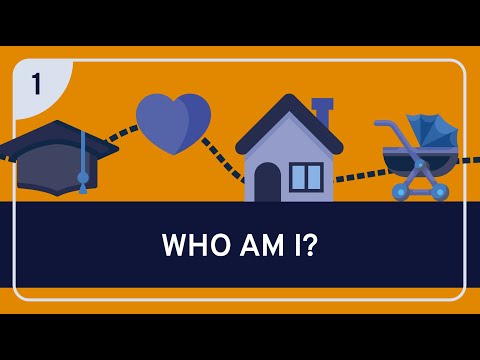
You know how everyone has a story? It’s like we all walk around with our own personal narratives tucked under our arms. Crazy, right?
Este blog ofrece contenido únicamente con fines informativos, educativos y de reflexión. La información publicada no constituye consejo médico, psicológico ni psiquiátrico, y no sustituye la evaluación, el diagnóstico, el tratamiento ni la orientación individual de un profesional debidamente acreditado. Si crees que puedes estar atravesando un problema psicológico o de salud, consulta cuanto antes con un profesional certificado antes de tomar cualquier decisión importante sobre tu bienestar. No te automediques ni inicies, suspendas o modifiques medicamentos, terapias o tratamientos por tu cuenta. Aunque intentamos que la información sea útil y precisa, no garantizamos que esté completa, actualizada o que sea adecuada. El uso de este contenido es bajo tu propia responsabilidad y su lectura no crea una relación profesional, clínica ni terapéutica con el autor o con este sitio web.
These stories can shape who we are and how we see the world. What we think about ourselves? That’s all wrapped up in our narratives.
Think about your own life for a second. Why do you feel a certain way about things? It’s likely because of the tales you tell yourself.
In this chat, I wanna dig into how these stories connect to your identity and experiences. So, grab a comfy seat, and let’s get into it!
Understanding Narrative Identity: Exploring the Psychological Framework of Self-Concept
So, you’ve probably heard the term narrative identity, right? It’s this cool way of thinking about how we see ourselves through stories. You know how when you sit down with friends and share what happened in your day? That’s all part of telling your story! Our self-concept, or how we think about who we are, is built from the narratives we create about our lives.
Think of it like playing a video game. When you play, you create a character and develop their backstory as you go along. Whether it’s slaying dragons or solving mysteries, each decision shapes who that character becomes. In real life, our experiences and choices do the same for us.
The Role of Narrative Self:
- Your personal stories give meaning to your experiences.
- They help organize events in your life into something understandable.
- Narratives connect past events to present feelings and future goals.
Let’s break this down some more. Your personal narrative forms over time. It includes all those ups and downs that make you… well, you! Like remember that time when you messed up during a big presentation? That might have felt like a catastrophe at the moment but later turned into a story of resilience for you. You learned something valuable about handling pressure!
Shaping Identity:
- Your background plays a big role in shaping your narrative identity.
- The culture and community around you also influence how your story unfolds.
- Friends’ perceptions can add chapters to your narrative.
Cultural stories are powerful too! For instance, growing up in a family where education was super emphasized might lead to a narrative where you’re always striving for academic success. Yet another person from a different background may tell their story focusing on creativity over conventional success — both valid!
Narrative Identity’s Impact on Experience:
- A strong narrative can enhance life satisfaction.
- Poorly constructed narratives may lead to confusion or distress.
- Narratives can shift over time as new experiences arise.
If you’ve ever felt lost or confused about who you are—it might be because those stories aren’t lining up right now. Maybe you’re trying out new things or reassessing old beliefs. This is totally normal! Our narratives are living things; they grow and change as we do. Just like character development in games keeps things interesting!
But hey, don’t forget that while crafting your narrative identity can be empowering, if you’re feeling overwhelmed by it all—or if past traumas are affecting how you see yourself—it could be worth chatting with someone who knows their stuff professionally.
In the end, fostering an engaging story about yourself can lead to greater understanding and fulfillment—much like leveling up in any game! So keep writing those chapters!
Understanding Dan McAdams’ Theory of Personality Development and Life Narratives
Hey! So, let’s talk about Dan McAdams and his theory of personality development. It’s really interesting stuff, particularly when you think about how we shape our identities through stories—our own life narratives.
Who is Dan McAdams?
Dan McAdams is a psychologist who has spent decades exploring what makes us tick as individuals. His work zooms in on how our personal stories influence our identities and experiences. You know how we all have those moments that define us? Well, McAdams believes that these “narratives” are at the heart of who we are.
The Life Story Model
McAdams’ theory is built around something he calls the *life story model*. This is basically the idea that you create a narrative about your life, which helps you make sense of your experiences. It’s like crafting a video game character—you give them strengths, weaknesses, and backstory to deepen their personality. For instance:
- Identity Development: Just like developing in a game, where choices shape your character’s skills and traits, your choices and experiences mold your identity.
- Narrative Configuration: You connect different events from your life into a coherent story. Think of it like finding side quests that enhance the main storyline of your game.
- Cultural Influences: Your narrative isn’t just about personal experiences; it’s influenced by cultural contexts too—just like how different games resonate with various audiences.
The Role of Narrative Self
Now here’s where it gets even more fascinating: the *narrative self.* This concept is all about how you view yourself through these stories you tell. It’s not just about facts or accomplishments; it’s more emotional than that! Your narrative self helps create meaning out of life’s ups and downs.
Imagine this: you go through a tough breakup. Instead of just feeling sad (which is totally valid), you might start telling yourself this story about growth and resilience. You take those pieces—heartbreak, healing—and weave them together into something meaningful. That becomes part of who you are moving forward.
Shaping Identity Through Narratives
McAdams argues that narratives play a crucial role in shaping your identity by doing these things:
- Providing Coherence: When you narrate your life, things get connected in a way that makes sense to you.
- Add Meaning: Experiences can feel random until you add context through storytelling; suddenly they have purpose!
- Affecting Behavior: The way you’ve framed your story can influence how you act in future situations.
Here’s a little anecdote to help illustrate: A friend once told me she had been rejected from her dream job—pretty tough pill to swallow! Instead of letting despair take over, she re-framed it as an opportunity for growth. She began viewing herself not as «a failure,» but as «someone willing to learn.» This shift changed her focus entirely!
The Importance of Reflection
The process of creating these narratives isn’t always easy though—it takes reflection! Sometimes it’s messy and complicated (like trying to retrieve an old save file in an epic RPG). But reflections on past experiences provide deeper insights into who we are now.
When wrestling with life challenges or changes—even little ones—a good practice is to sit down and write out what happened, or talk it through with someone close to you. Through storytelling, you’re able to sift through emotions and insights.
In the end, understanding McAdams’ ideas opens up so much perspective on personal development. It can put many things into context for us! But remember: if you’re struggling with understanding yourself or certain events in your life too deeply—it’s totally okay to reach out for professional help.
So there ya go! That’s Dan McAdams’ theory wrapped up in a fun little package full of narrative goodness! Feel free to explore more if you’re curious; it really opens up fascinating dialogues around identity!
Understanding Bruner’s Narrative Theory: Key Concepts and Psychological Implications
Bruner’s Narrative Theory is a fascinating area of psychology that dives deep into how we make sense of our lives through stories. You know, life can feel overwhelming, and one way we cope is by telling ourselves tales – pretty powerful stuff, right? This theory emphasizes that narratives aren’t just for bedtime stories or movies; they are vital for shaping our identities and experiences.
So, what’s the deal with this narrative self? Well, it’s all about how we construct our identities. Think about it: When you reflect on your life, you probably recall certain events as key chapters in your personal story. Bruner argues that these narratives help us make sense of who we are and where we’re going.
Here are some key concepts:
- The Self as a Narrative: Your identity isn’t just a set of traits or experiences; it’s the story you tell about those traits and experiences. For instance, if you had a tough childhood but turned things around to achieve your dreams, that journey becomes a crucial part of who you are.
- Cultural Context: Stories are influenced by the culture we live in. So your narrative may look different from someone else’s in another country or background. Ever played games where characters have different backgrounds influencing their decisions? That’s sort of like real life!
- Meaning-Making: Humans naturally seek meaning in experiences. Narratives help us interpret events rather than just letting them slip by without reflection. Think about a breakup; instead of wallowing, turning it into a story helps process those emotions.
- Narrative Structure: All good stories have structure—beginning, middle, end. We often organize our own lives this way too! If you’ve ever shared an experience with friends and left out details because they didn’t fit the «plot,» you get what I mean.
- The Role of Memory: Our memories are like pieces of the puzzle that form our narrative fabric. Sometimes they get altered over time—maybe not intentionally—because new events change how we view past experiences.
The psychological implications here are pretty significant! By understanding how storytelling shapes identity, therapists can use narratives as tools for healing. Like when someone shares their trauma in therapy; they’re crafting a narrative that might help them reframe their pain into something manageable.
Let me share an example to tie this all together: Imagine two people faced with job loss. One sees it as an end—a tragic plot twist—and struggles to move on. The other sees it as an opportunity for reinvention—part of an ongoing epic saga full of possibilities! The way they narrate their experiences profoundly impacts their mental well-being.
In social settings too, narratives foster connection—we relate to each other through shared stories! You’ve likely had conversations where someone’s story inspired or moved you; it happens all the time.
But hey, remember to keep things real here! While understanding Bruner’s theory offers great insights into identity formation and meaning-making, it’s important to know that everyone’s journey is unique and sometimes professional help is needed to navigate complex emotions and experiences.
With narratives woven into every fiber of our being, being aware of them allows us to explore who we truly are while also connecting with others on deeper levels! So next time you’re reflecting on your life—or even sharing a funny gaming moment—think about the story you’re telling!
You know, it’s pretty wild how our identities can be shaped by the stories we tell ourselves. Like, think about your own life. We all have those moments that stick with us, right? Maybe it’s a childhood memory or a lesson learned the hard way. Those narratives—those little tales we weave—are so essential in helping us understand who we are and where we fit in.
I remember this one time when I was in high school. I had this friend who seemed to have everything figured out. She was confident and outgoing, while I felt pretty lost in the shuffle. One day, she shared a story about her own struggles with self-doubt and feeling like she wasn’t enough. It hit me like a ton of bricks! It turned out that behind her shiny exterior was someone with insecurities too. That moment really made me reflect on my own narrative. It wasn’t just about what I was experiencing; it was about how I interpreted those events.
And here’s the thing: our personal narratives can actually empower us or hold us back, depending on how we frame them! For instance, if you see yourself as someone who always fails at things, guess what? You’re probably going to stop trying because of that belief! But flip that script—maybe you’re someone who learns from experiences—and suddenly doors start opening!
Also, you gotta consider how these stories evolve over time. What feels true today might shift tomorrow as you gain new perspectives or go through different experiences. The beauty of this whole narrative self thing is its flexibility; it allows us to adapt as we grow and change.
When it comes to identity formation, let’s not forget the influence of culture and society too. Your background plays a huge role in shaping the narratives available to you! Ever notice how certain themes pop up more often based on where you’re from? Those collective stories can weave into your own feelings of identity.
But yeah, sometimes it feels messy and complicated—you know? Like figuring out which parts of your narrative resonate with your true self and which parts are just noise from outside influences.
So next time you find yourself reflecting on your life or feeling stuck, try looking at your narrative closely. Ask why you believe what you do about yourself and whether there’s room for re-writing some chapters! Life’s too short for boring stories anyway—let’s make ours epic!