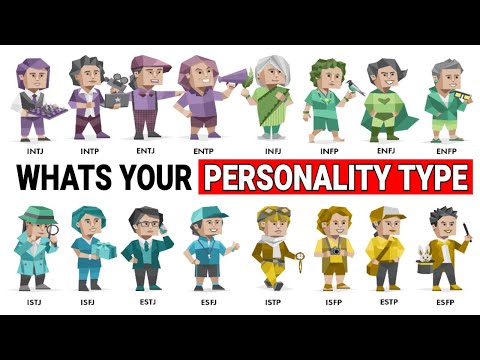
You know what’s interesting? Our personalities can really shape how we feel and act in life.
Este blog ofrece contenido únicamente con fines informativos, educativos y de reflexión. La información publicada no constituye consejo médico, psicológico ni psiquiátrico, y no sustituye la evaluación, el diagnóstico, el tratamiento ni la orientación individual de un profesional debidamente acreditado. Si crees que puedes estar atravesando un problema psicológico o de salud, consulta cuanto antes con un profesional certificado antes de tomar cualquier decisión importante sobre tu bienestar. No te automediques ni inicies, suspendas o modifiques medicamentos, terapias o tratamientos por tu cuenta. Aunque intentamos que la información sea útil y precisa, no garantizamos que esté completa, actualizada o que sea adecuada. El uso de este contenido es bajo tu propia responsabilidad y su lectura no crea una relación profesional, clínica ni terapéutica con el autor o con este sitio web.
Ever heard of the Big 5 personality traits? They’re like a roadmap to understanding ourselves and others.
Today, we’re zeroing in on neuroticism. It’s one of those traits that can sound a bit heavy, but stick with me.
Think about it—ever had days where you feel anxious or overly sensitive? Yeah, that’s part of it!
So, let’s break down neuroticism together. Trust me, it’ll be worth your time!
The Rarest Big 5 Personality Type: An In-Depth Exploration
Okay, let’s chat about something super interesting: the Big 5 Personality Traits. You might have heard of them before. They’re like this cool framework that helps us understand ourselves and others a bit better. But today, we’re zooming in on one of them—neuroticism—and how it can be considered the rarest type among these traits.
The Big 5 traits are:
- Openness: How open you are to new experiences.
- Conscientiousness: Your level of organization and dependability.
- Extraversion: How outgoing and social you tend to be.
- Agreeableness: Your tendency to be compassionate and cooperative.
- Neuroticism: The degree of emotional instability or sensitivity you might show.
So, neuroticism—it’s basically about how someone handles stress and emotions. People with high levels of this trait often experience feelings like anxiety, sadness, or irritability more intensely than others. It can feel a bit like being on an emotional roller coaster sometimes. Think about it: remember a time when you felt overwhelmed before an exam? That’s kind of what it looks like for someone high in neuroticism—they live in that heightened state quite often.
You see, neuroticism isn’t always bad! It’s important to recognize that folks who score higher here can be sensitive to their environment. They might notice things that others don’t—a beautiful sunset, a friend’s sadness—because their emotions are very alive. But then again, those same emotions can lead to tension or overthinking in social situations. So really, it’s a double-edged sword!
If we’re talking numbers here (hold tight!), research shows that only about 20% of people fall into the high neuroticism category. Yup! That makes it one of the rarer personality types out there compared to its Big 5 friends. Imagine playing a game where only two out of ten players were super intense about every little thing happening? That’s kind of how it feels!
An example can help clarify this even better: think of your friend who gets stressed out over minor changes—what if dinner plans suddenly switch locations? They might spiral into “what if” scenarios while another friend just shrugs it off with no worry at all. It’s all part of the neuroticism trait playing out!
Beneath all that stress and sensitivity lies some potential benefits too! Folks high in neuroticism often excel at tasks requiring attention to detail due to their acute awareness of risks and challenges around them. If you’ve ever worked with someone meticulously checking everything twice—you might just have a neurotic friend on your hands!
Coping mechanisms come into play as well when dealing with higher levels of neuroticism; folks may lean toward strategies such as mindfulness practices or therapy (and those things work wonders!). You know what? This is where professional help is important—if someone feels overwhelmed by their emotions constantly, looking for guidance from a therapist could make all the difference.
The takeaway here is clear: while neuroticism may present its challenges, understanding its place among personality traits adds depth to our interactions with others—and ourselves. Exploring how our personalities shape our lives opens doors to genuine growth and connection!
Identifying High Neuroticism: Key Traits and Behavioral Indicators
So, let’s chat about neuroticism. It’s one of those fancy terms from the Big 5 personality traits. Basically, if someone has high neuroticism, they might have a tendency to experience negative emotions more frequently than others. We’re talking anxiety, mood swings, and if we’re being honest, a bit of drama in their lives!
Now, how do you know if someone (or even yourself) might be on the high side of the neuroticism scale? Here are a few key traits and behaviors to look out for:
- Overthinking: People with high neuroticism often dwell on situations. Think about that friend who can’t let go of an awkward moment from years ago. They replay it over and over.
- Emotional volatility: Their moods can shift like a rollercoaster! One minute they’re super excited; the next, they’re down in the dumps without much reason.
- Anxiety: A lot of people with this trait experience chronic worry. It’s like their brain has a permanent «what if?» button. What if I don’t get that job? What if my friends don’t like me?
- Irritability: Watch for quick flashes of annoyance. You know that person who blows up over little things? Yup, probably leaning toward high neuroticism.
- Sensitivity to stress: Ever notice how some folks seem to fold under pressure while others thrive? Yep, that’s part of it! High neuroticism means they struggle more when faced with stress.
You might be asking yourself: “Is it all bad?” Well, not necessarily! Some traits like being detail-oriented or motivated can also come into play. However, too much neuroticism can get in the way of life satisfaction. Take video games as an example: imagine being super competitive but letting every little loss ruin your day—that’s kind of what it feels like when high neuroticism kicks in.
If you or someone you know is exhibiting these traits and it’s causing problems in daily life—like relationships or work—it’s super important to reach out for support from professionals. Talking things through with someone who knows their stuff can make a world of difference.
So there you have it! Keeping an eye on these behaviors can help you spot high neuroticism and understand how it affects interactions with others—and hey, maybe even yourself!
Understanding the Big 5 Personality Traits: Key Examples and Insights
Neuroticism is one of the five core personality traits in psychology, part of what’s known as the Big Five. So what’s the deal with neuroticism? Well, it basically reflects your emotional stability. People who score high on neuroticism often experience feelings like anxiety, moodiness, and irritability more intensely than others. You know how some people can handle stress like champs, while others seem to crumble at the slightest inconvenience? Yeah, that’s neuroticism in action!
Now, let’s break it down a bit more. Here’s what you need to know about this trait:
- Emotional Reactivity: Those high in neuroticism are sensitive to negative emotions. Think about a character in a game who panics in stressful situations – that’s a bit like someone high in this trait!
- Anxiety and Worry: They often find themselves caught up in cycles of worry over things that haven’t even happened yet. It’s like when you’re playing a game and you’re convinced your team is going to lose even when you’re still ahead.
- Difficulty Coping: Dealing with setbacks or criticism can be really challenging for these folks. Imagine losing your favorite character because of an unexpected turn in a game; someone low on this trait might take it less personally.
- Relationship Issues: High neuroticism can complicate relationships. If you’ve ever played multiplayer games where communication goes haywire under pressure, you’ll see how being overly sensitive can lead to misunderstandings.
You might be thinking, «Why does this matter?» Well, understanding where you or someone else stands on the neuroticism scale can help improve relationships and personal well-being. For example, if you notice that your friend tends to get anxious during group activities or games, being mindful of that may help strengthen your bond.
It’s also important to note that being high in neuroticism doesn’t mean someone is bad or flawed! It’s just part of their personality makeup. Like anything else, there are upsides too! Neurotics are often more empathetic; they feel deeply and can pick up on others’ emotional cues really well.
So here’s something cool: people can actually work on managing their levels of neuroticism! Techniques like mindfulness or therapy can help those feeling overwhelmed by their emotions gain better control.
All this said though—if someone feels stuck or struggles significantly with anxiety or emotional issues, reaching out for professional help makes sense. The Big Five traits give us insight into our personalities but aren’t replacement for getting support when we need it!
In the end, understanding neuroticism offers us a window into how our emotions influence our lives and relationships. It’s all about awareness! So next time you’re gaming with friends and notice some heightened tensions—well maybe consider their personalities at play too!
So, let’s chat about the Big 5 personality traits for a minute. You know, those five dimensions that kinda help us get a handle on our personalities? Well, today we’re diving into one of them—neuroticism. It’s a big word, but don’t sweat it; we’ll break it down nice and easy.
Neuroticism is really just a fancy way of saying how emotionally unstable or sensitive you might be. People high in neuroticism often feel anxious, moody, or even easily stressed out. It’s like when you’re watching your favorite show, and then that shocking plot twist hits you—your heart races, and you’re just not sure how to deal with it! Get what I’m saying?
I remember talking to my friend who always worries about the smallest things—the weather changes would drive her nuts because she’d fret if she’d have the right clothes for it. I mean, seriously! She was constantly in her own head about all the what-ifs: “What if it rains?” or “What if I miss my train?” It’s exhausting just listening to her sometimes! But here’s the kicker: even though those anxious vibes can be tough, they can also lead to some pretty insightful self-reflection.
Now, neuroticism isn’t inherently bad. Yes, it can mean living with more stress or emotional ups and downs—but think about it: people who are more attuned to their feelings might also be incredibly empathetic. They can read a room like nobody’s business and often help others navigate through their own emotional chaos. It’s kinda like having an emotional radar!
But there’s always a flip side. People high in neuroticism might struggle with resilience when faced with challenges. Instead of bouncing back from setbacks, they could dwell on failures longer than necessary—like replaying that awkward moment from yesterday over and over in their head. You’ve done that too, right? It’s almost comical how we get stuck on things that others probably forgot about five minutes later!
One interesting point here is how neuroticism interacts with everyday life. Studies suggest that folks high in this area might have more difficulty in relationships due to their sensitivity and tendency toward negativity at times. Relationships need work—and being constantly anxious makes things trickier than they already are! Imagine planning a fun outing only to spend half the time worrying whether everyone will have a good time.
So yeah, focusing on neuroticism helps us understand not just ourselves but also others around us. It reminds us that there’s no one-size-fits-all when it comes to emotions; we each handle things differently based on our personality traits! At the end of the day—being aware of your own level of neuroticism can be empowering; knowing it’s okay to feel what you feel means you have room to grow instead of pushing those feelings aside.
And who knows? Embracing those quirks might even lead you somewhere beautiful—the kind of place where vulnerability leads to stronger connections not only within yourself but also with others around you. Just something worth thinking about!