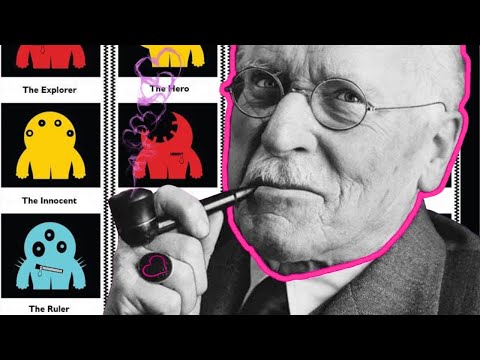
You know those characters in your favorite stories? The ones that just stick with you? Seriously, they come in all shapes and sizes.
Este blog ofrece contenido únicamente con fines informativos, educativos y de reflexión. La información publicada no constituye consejo médico, psicológico ni psiquiátrico, y no sustituye la evaluación, el diagnóstico, el tratamiento ni la orientación individual de un profesional debidamente acreditado. Si crees que puedes estar atravesando un problema psicológico o de salud, consulta cuanto antes con un profesional certificado antes de tomar cualquier decisión importante sobre tu bienestar. No te automediques ni inicies, suspendas o modifiques medicamentos, terapias o tratamientos por tu cuenta. Aunque intentamos que la información sea útil y precisa, no garantizamos que esté completa, actualizada o que sea adecuada. El uso de este contenido es bajo tu propia responsabilidad y su lectura no crea una relación profesional, clínica ni terapéutica con el autor o con este sitio web.
So, let’s chat about archetypes—those classic character types that we see again and again. You’ve got the hero, the mentor, maybe even the trickster. Each one plays a role that feels familiar, yet fresh every time.
It’s kind of wild how these archetypes can resonate so deeply with us. I mean, think about it: ever felt like you were channeling a bit of the rebel on a tough day? Or maybe you relate to the caregiver when you’re helping a friend?
In stories, these characters help shape our journeys and touch our hearts. Let’s take a peek at twelve of them and see what makes each one tick! Buckle up; it’s gonna be fun!
Understanding 12 Character Archetypes and Their Unique Roles in Storytelling
Sure! Let’s break down the 12 character archetypes and their unique roles in storytelling. You’ll see how these traits pop up not just in books and movies but even in your favorite video games. So, hang tight!
The Hero
This is the brave character who faces challenges head-on. Think of Harry Potter or Link from «The Legend of Zelda.» They go on a journey, learn valuable lessons, and often change the world—or at least their little corner of it—along the way.
The Mentor
Every hero needs guidance. The Mentor offers wisdom and support, like Mr. Miyagi from «Karate Kid» or Yoda in «Star Wars.» They’re usually older and have a rich past filled with experience, teaching important life lessons to our heroes.
The Shadow
Then there’s the Shadow, which embodies everything that the hero fears or wishes to avoid. This character can be a total villain like Voldemort or Darth Vader, whose existence pushes the hero to grow stronger and become their best self.
The Threshold Guardian
These are characters that test the hero’s strength before they proceed on their journey. They can be friends or foes, like those pesky mini-bosses in video games that challenge your skills before you face the final boss.
The Herald
The Herald is a crucial role; they announce change and spark the adventure. Take «The Lion King,» where Rafiki reveals Simba’s destiny. This character shakes things up and motivates others to act.
The Trickster
Now onto The Trickster! This archetype brings humor and chaos into stories, often making fun of serious situations. Think of characters like Loki from Marvel Comics or Jack Sparrow from «Pirates of the Caribbean.» They add depth by shaking things up!
The Ally
Ally characters support heroes through thick and thin. Samwise Gamgee is a perfect example; he stood by Frodo’s side during all sorts of trials in «The Lord of the Rings.» Allies provide emotional support while also tackling challenges together.
The Loyalist
Loyalists are all about reliability—you can count on them when things get tough! Characters like Ron Weasley exemplify this role well, always ready to back up their friends no matter what happens.
The Innocent
This character radiates purity and optimism; they often help others see hope when times are tough. Look at characters like Lucy from «Narnia,» who embodies innocence while navigating a world filled with conflict.
The Rebel
Rebels challenge authority and push boundaries; they’re essential for bringing about change! Characters such as Katniss Everdeen from «The Hunger Games» rebel against oppressive systems—showing us how standing up can inspire others.
The Ruler
Rulers are often leaders who protect what they have built but may struggle with maintaining control amidst chaos. Consider characters like Mufasa in «The Lion King.» They’re responsible for others yet face tough decisions along their journeys.
The Creator
Finally, we have The Creator, those imaginative souls driven by innovation! Think of Tony Stark (Iron Man) creating his suits—using creativity to shape new possibilities while pushing boundaries forward!
All these archetypes operate within stories for good reason—you get different perspectives that keep things interesting! Each type plays an essential role not just in how we understand character dynamics but also helps weave deeper meanings into narratives we engage with every day.
So there you have it! It’s wild how these patterns pop up everywhere you look—in games too—as we love stories about growth, friendship, courage… you know? Just remember though: this isn’t a substitute for professional help if you ever need it—it’s simply a way to explore human behavior through storytelling lenses!
Understanding 12 Female Character Archetypes and Their Roles in Storytelling
Storytelling is a rich tapestry woven with various character archetypes that help shape narratives and connect with audiences. When we focus on female character archetypes, there’s a whole world of representation that adds depth and color to stories. Let’s break down 12 female character archetypes, their unique roles, and how they show up in storytelling.
- The Innocent: This archetype embodies purity and optimism. Think of characters like Snow White or Dorothy from *The Wizard of Oz*. Their naivety can lead them into trouble, but it often inspires transformation in others.
- The Caregiver: Often selfless, caregivers prioritize the needs of others. Characters like Marge Simpson exemplify this trait. They nurture, protect, and support others, often at their own expense.
- The Heroine: Strong and determined, the heroine fights for what’s right. Katniss Everdeen from *The Hunger Games* is a perfect example. Her courage inspires those around her to rise against oppression.
- The Rebel: These characters challenge societal norms and fight against authority. Think about characters like Lisbeth Salander from *The Girl with the Dragon Tattoo*. They often shake things up in the story!
- The Lover: Full of passion and desire, lovers are driven by their emotions. Characters like Elizabeth Bennet from *Pride and Prejudice* show us the strength that comes from love combined with personal growth.
- The Sage: Wise beyond their years, sages offer guidance based on their knowledge and experience. You see this in characters like Yoda or even Hermione Granger in later Harry Potter books; they help younger heroes navigate challenges.
- The Jester: Bringing humor into even tough situations is what these characters do best! Think about characters like Luna Lovegood who lighten the mood while adding depth to the story.
- The Explorer: Always seeking out new adventures, explorers push boundaries. Characters like Moana embody this; they’re eager to discover new worlds while learning about themselves along the way.
- The Ruler: Strong leaders who crave control over their environment define this archetype. Characters like Daenerys Targaryen showcase ambition and power struggles that propel entire plots forward.
- The Magician: They possess transformative abilities that can change reality itself! Characters such as Elphaba from *Wicked* or Sabrina Spellman from *Chilling Adventures of Sabrina* show us how magic can reflect deeper themes in life.
- The Shadow: Often misunderstood or even villainous, shadows reveal important truths about other characters’ motivations. Take Maleficent—her backstory adds layers to well-known tales!
- The Mentor: These figures guide protagonists on their journey—think Professor McGonagall for Harry Potter! Mentors provide wisdom but also challenge their mentees to grow stronger.
Each of these archetypes plays distinct yet crucial roles in storytelling by offering relatable traits or experiences that resonate with audiences. It’s fascinating how they can overlap or transform throughout a narrative too! Have you ever noticed how a character might start as an innocent but grow into a heroine? Or perhaps a caregiver turns rebel under certain circumstances?
While exploring these archetypes can enhance your understanding of stories—even games—remember it doesn’t replace professional help when needed for emotional or psychological support if you resonate too deeply with any specific character’s struggles or experiences!
Comprehensive List of Character Archetypes in Literature: Understanding Their Psychological Roles
- The Hero: This archetype represents courage and determination. Think of characters like Frodo from «The Lord of the Rings» or Harry Potter. They face challenges head-on and inspire others through their bravery and self-sacrifice. These heroes often embark on quests, proving their growth along the way.
- The Mentor: You know this character; they guide the hero with wisdom, preparing them for the journey ahead. Obi-Wan Kenobi from «Star Wars» is a classic example. Mentors often sacrifice their own needs for the betterment of their students, shaping future heroes.
- The Shadow: This one’s interesting—it represents the darker side of humanity or even aspects of the hero that they refuse to acknowledge. Lord Voldemort in «Harry Potter» embodies this archetype as he shapes Harry’s journey, serving as a constant reminder of fear and power.
- The Trickster: Ever heard of Loki from Norse mythology? Or maybe you’ve played a game like «The Legend of Zelda,» where characters often pull pranks or create chaos? Tricksters challenge norms, bringing humor but also revealing deeper truths about society and human nature.
- The Lover: This archetype highlights passion and connection. Think about Romeo and Juliet or Elizabeth Bennet from «Pride and Prejudice.» Lovers make choices driven by emotion, often leading to both conflict and growth as they navigate relationships.
- The Caregiver: These characters are nurturing souls. They help others at their own expense—like Marge Simpson in «The Simpsons.» Caregivers embody compassion but can also face dilemmas when putting themselves last harms them emotionally.
- The Innocent: Characters like Dorothy from «The Wizard of Oz» often embody hopefulness and purity. Their role is to bring a sense of optimism even in dire situations, reminding others about goodness despite chaos around them.
- The Ruler: Rulers create order and stability but must balance power with responsibility. Characters like Mufasa from «The Lion King» remind us that leadership isn’t just about control; it’s about protecting your realm while ensuring harmony among your community.
- The Explorer: Adventurous souls who seek new experiences often represent freedom, like Lara Croft in «Tomb Raider.» Explorers push boundaries but can sometimes become restless if not careful about losing touch with home or their loved ones.
- The Rebel: Characters such as Katniss Everdeen in «The Hunger Games» shake things up! Rebels challenge societal norms in search of justice, igniting change through their actions—even if that means risking everything for what’s right.
- The Sage: Wisdom seekers are found throughout stories—think Gandalf! Sages provide insight into life’s mysteries but can sometimes clash with other characters due to their pragmatic views on morality versus emotion.
- The Damsel in Distress: This archetype tends to evoke sympathy while also raising questions about agency. While it can be criticized for stereotyping female characters (think Snow White), modern interpretations aim to empower these figures rather than simply making them passive victims.
So there you have it—a quick introduction to various character archetypes that pop up in literature! These roles help us understand our favorite stories on a deeper level, connecting themes across cultures through familiar patterns. Pretty neat, right? Just remember that literature reflects life but doesn’t replace it; if you’re dealing with personal issues, talking to a professional could really make a difference.
Ever notice how some characters in stories just seem to fit into certain molds? It’s like they wear their roles on their sleeves! You’ve got your heroes, your villains, the wise mentors… it’s like a big, cozy narrative family gathering. You know what I mean?
So, let’s break down these character archetypes a bit. Take the Hero—this is usually someone brave and determined. They face challenges head-on, looking to save the day. But here’s the thing: sometimes their journey isn’t just about fighting dragons; it’s about finding themselves. Like that time I stayed up late reading “Harry Potter,” rooting for Harry as he learned more about who he really was.
Then you’ve got the Mentor. This character often has that sage-like quality—think Dumbledore or Yoda! They guide the hero, offering wisdom but also letting them struggle and learn on their own. It’s that balance of support and independence that really resonates with us.
And speaking of balance, let’s talk about the Shadow character—often representing everything that challenges our hero. It could be an antagonist or simply a part of themselves they need to overcome. What hits home here is realizing we all have shadows lurking around; maybe even insecurities we need to face.
But hey, there are also Tricksters! These characters bring humor but also valuable lessons hidden in their chaos. They shake things up when everyone else is being all serious! Think about Loki from Marvel; he adds both mischief and depth in ways that keep you engaged.
The Lover archetype brings passion and connection into play. Whether it’s romantic love or deep friendships, these relationships often give our protagonists something important to fight for—or against!
You can’t ignore the Rebel too. This one fights against conventions and questions the status quo—basically challenging everyone else to think differently. In real life? We need those voices pushing boundaries!
And while we’re at this family gathering of characters, don’t forget the Innocent—the hopeful dreamers who see beauty everywhere but might get lost in a challenging world.
In stories, every single archetype plays its part beautifully—you can almost feel them working together like a well-rehearsed symphony! Each one brings something unique to the table that makes us feel understood or inspires us to see life differently.
So next time you settle into a good book or binge your favorite show? Take a moment to appreciate how these archetypes shape not only their worlds but ours too! And maybe reflect on which ones resonate with you—I’m still trying to figure out if I’m more of a Hero or a Rebel some days! What do you think?