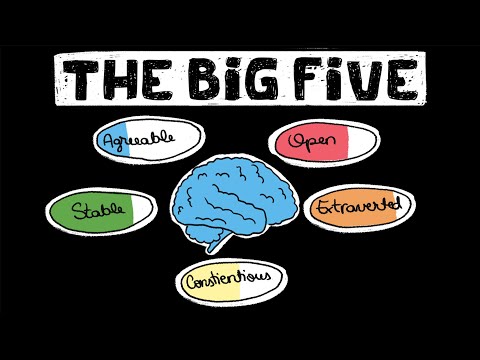
You know those people who seem super self-confident on the outside but are actually a bit wobbly on the inside? Yeah, that’s what we’re talking about when we mention fragile narcissism.
Este blog ofrece contenido únicamente con fines informativos, educativos y de reflexión. La información publicada no constituye consejo médico, psicológico ni psiquiátrico, y no sustituye la evaluación, el diagnóstico, el tratamiento ni la orientación individual de un profesional debidamente acreditado. Si crees que puedes estar atravesando un problema psicológico o de salud, consulta cuanto antes con un profesional certificado antes de tomar cualquier decisión importante sobre tu bienestar. No te automediques ni inicies, suspendas o modifiques medicamentos, terapias o tratamientos por tu cuenta. Aunque intentamos que la información sea útil y precisa, no garantizamos que esté completa, actualizada o que sea adecuada. El uso de este contenido es bajo tu propia responsabilidad y su lectura no crea una relación profesional, clínica ni terapéutica con el autor o con este sitio web.
It’s wild, right? These folks often crave admiration and attention, but they freak out over the slightest hint of failure. Like, one little stumble and it’s a full-on crisis mode!
Imagine having all that pressure to be perfect. It must feel exhausting. Seriously. In a world where everyone shows their highlight reel, it’s easy to see how vulnerability can be terrifying. But guess what? You’re definitely not alone in feeling this way sometimes.
Let’s dig into this together and unwrap how fear of failure can twist our minds and mess with our relationships. Sound good? Cool!
Understanding the Fear of Failure in Narcissists: Key Psychological Insights
When you think of narcissists, what pops into your head? Maybe someone who’s super confident or has a larger-than-life persona? Well, here’s the kicker: they often hide a deep-seated fear of failure. Yeah, it’s true! You know what? This fear can flip their whole world upside down, especially if you dive into the idea of **fragile narcissism**.
Fragile narcissism is basically when someone has this delicate self-esteem that needs constant boosting. They look all cool and collected but inside, they’re a bit of a mess. If they fall short of their own high expectations or—heaven forbid—make a mistake, it feels like the end of the world to them. Imagine loading up your favorite video game and failing at the final boss level. You’ve worked hard! The frustration can feel unbearable, right? That’s kind of how a fragile narcissist feels when they fail in real life.
So let’s break this down more clearly.
- Incredible Pressure: Narcissists often put massive pressure on themselves to be perfect. It’s like they’ve set an impossible score to beat in this game called life.
- Vulnerability: They’re super uncomfortable with vulnerability. When things don’t go as planned, their go-to reaction is often defensiveness or anger instead of owning up to mistakes.
- Avoidance: To dodge feelings of failure, they might avoid situations where they could fail at all. Picture someone who won’t play basketball because they’re scared they’ll miss that buzzer-beater shot.
- Comparisons: It’s common for them to compare themselves with others and obsess over being better than everyone else. If someone does better than them, it feels like they’ve lost the game entirely!
- Coping Mechanisms: Many might resort to unhealthy coping strategies like blaming others or puffing themselves up even more—like those guys who brag about their high scores while not mentioning how they barely scraped by.
Now imagine being that person who just got knocked out in a competition where everyone else did great; it’s painful—you just want to shrink away and hide! For narcissists grappling with fragile self-esteem, feeling inadequate leads them straight into denial mode.
One time I met someone who always had to be right in every conversation. It was exhausting! Whenever we would have a debate about movies or games, he’d get super defensive if someone disagreed with him. After talking with him later on, I found out he feared being seen as less knowledgeable because deep down he didn’t believe he was as smart or talented as he put on.
The paradox here is wild: they want admiration and validation but fear showing any sign of weakness that could take that away from them. It creates an emotional rollercoaster!
And let’s be real for a moment: identifying these traits isn’t just about labeling someone as “narcissistic.” Everyone struggles with fears and insecurities at times—it’s part of being human! But understanding these behaviors can help us empathize more deeply with those around us who might seem over-the-top confident but are really just fighting against their inner demons.
If you notice yourself relating too much to this pattern—or maybe you see it in friends—remember there are healthier ways out there to cope with failure and build self-worth without all the drama involved in fragile narcissism.
Like always though: if this resonates deeply with you or you’re concerned about someone’s behavior, chatting with a mental health professional could provide some serious clarity and support without judgment.
The Country with the Lowest Levels of Narcissism: A Global Comparison
Talking about narcissism can feel a bit heavy, right? But it’s actually pretty fascinating when you look at it globally. Narcissism, in simple terms, is that inflated sense of self-importance mixed with a strong need for admiration. However, there’s this other side called **fragile narcissism**, which involves a fear of failure and sensitivity to criticism. This gets us into some interesting territory when we think about which countries have the lowest levels of narcissism.
So, which country stands out? Well, according to [various studies](https://www.sciencedirect.com/science/article/pii/S019188691400532X), places like **Denmark** and **Finland** often pop up as countries with lower levels of narcissism compared to others. These cultures tend to emphasize community over individual success, creating an environment that supports selflessness rather than constant self-admiration.
Let’s break down some key aspects that contribute to this trend:
- Strong Social Support: In Denmark and Finland, there’s a big focus on collective well-being. People prioritize community connections over personal accolades.
- Your Achievement Isn’t Everything: These countries often teach children that their worth isn’t tied purely to their accomplishments. Doesn’t that sound refreshing?
- Emotional Vulnerability: Fragile narcissists often fear vulnerability because it exposes them to judgment. However, societies that foster emotional expression can help reduce those fears.
- Work-Life Balance: Cultures with shorter work hours and generous vacation time can lead to healthier views on success, thus lowering the push for a narcissistic mindset.
Let me give you an example from my own life. A good friend of mine spent a year in Denmark as part of an exchange program. He often talked about how people there would praise each other for just being kind or helpful rather than for landing the biggest job or the flashiest car. Just hearing him share those moments made me realize how different our views on success can be.
Now here comes the twist—narcissism isn’t strictly bad or good; it’s complicated! While healthy self-esteem is important, fragile narcissism creeps in when someone feels they must constantly prove themselves. This leads to stress and anxiety, making them more vulnerable during failures.
So let’s get real here: if you’re feeling like you’re wrestling with these kinds of feelings or thoughts of inadequacy? Please don’t hesitate to reach out for help from a mental health professional. It might feel daunting at first but opening up can lead to amazing changes in your perception of yourself and others.
To wrap it up nicely: cultures that nurture communal values seem to lower levels of narcissistic traits. In these settings, people often feel more secure about expressing their vulnerabilities instead of hiding them behind bravado. And honestly? That sounds like a pretty great way to live!
Understanding the 4 D’s of a Narcissist: Key Characteristics and Behaviors Explained
When chatting about narcissism, it’s hard not to bump into the concept of the 4 D’s. These are characteristics that often pop up in a narcissist’s behavior. They are: denial, distortion, devaluation, and deflection. And what’s kind of tricky is that with fragile narcissists, fear of failure and vulnerability really shape how these traits show up. Let’s break it down!
- Denial: This is like that friend who can’t accept they lost a game. A fragile narcissist might refuse to see their mistakes because admitting them feels too threatening. So, they deny anything went wrong.
- Distortion: Here’s where things get wild! They might twist reality to make themselves look better. For example, if they flunk a test, they might say the teacher is unfair instead of acknowledging their lack of prep.
- Devaluation: Ever seen someone tear down others to feel superior? That’s devaluation in action. Fragile narcissists may criticize others harshly as a way to distract from their own insecurities.
- Deflection: This is like when your buddy blames lagging internet for losing an online match instead of owning up to poor gameplay! They shift attention away from their failings onto someone else’s faults.
The thing is, this fear of vulnerability ties into everything. Picture a fragile narcissist standing on a tightrope over a pit of criticism. One misstep could send them tumbling into feelings of inadequacy or shame, which can be terrifying for them!
I remember talking with a friend who dated someone with these traits. You could see it right away—whenever she tried to have an honest conversation about feelings or issues, he’d just change the subject or turn it around on her. He was so afraid of looking weak that he’d do anything to avoid responsibility.
If you’re dealing with someone who exhibits these behaviors—hey, you’re not alone! It can be super confusing and exhausting navigating those waters. Just remember though: understanding these traits can help you cope and protect yourself.
This doesn’t replace professional advice if you’re dealing with tricky situations involving people with these traits; getting support is key! But knowing about those 4 D’s? That can give you some insight into what’s happening beneath the surface!
You know, it’s pretty wild how some of the people who seem the most confident can also be, like, really fragile inside. Fragile narcissism—ever heard of it? It’s a concept that explains how some folks project this big, bold facade while being terrified of failure and vulnerability. Kind of makes you think twice about those people who boast all the time, right?
There’s this college buddy I had. He was always showing off his grades and accomplishments. You’d think he had it all together. But beneath that shiny surface, he was just scared stiff about failing. The moment someone criticized or challenged him? Oof! You could see him crumble. I remember one time we were all out celebrating someone else’s success, and he just sat there looking miserable. It hit me then—his need for validation was basically his armor against feeling vulnerable.
So what’s going on with fragile narcissism? Basically, it’s when someone has a grand sense of self-importance but struggles with deep self-doubt and fear of inadequacy. It’s like a seesaw: on one end you’ve got that cocky persona, and on the other end is a person who is afraid to show their true self because they think they won’t measure up.
People with this kind of narcissism often go to great lengths to avoid feelings that make them uncomfortable—things like rejection or failure. This leads them into a loop where they seek praise constantly but panic if anything threatens their self-image. They might react defensively or even lash out when others don’t meet their expectations.
But here’s the kicker: this need for validation can actually stop them from growing as individuals because they refuse to be open about their challenges or feelings of vulnerability. Imagine trying to feed yourself with a fork while blindfolded—yeah, not gonna work well! And let’s face it; everyone has moments where they feel insecure or afraid.
Embracing vulnerability is what helps us connect with others in deeper ways. It opens the door for honest conversations and genuine relationships. If we only focus on shining bright without acknowledging our dark spots, we miss out on so much richness in life.
In the end, it’s important for folks to realize that it’s okay not to have it all figured out. Allowing yourself to feel vulnerable means accepting your humanity—and guess what? Everyone else has those struggles too! So maybe next time you see someone flaunting their achievements or acting overly confident, take a step back and consider what might be going on beneath the surface—you know? Each person carries their own fears and insecurities that often hide behind bravado.