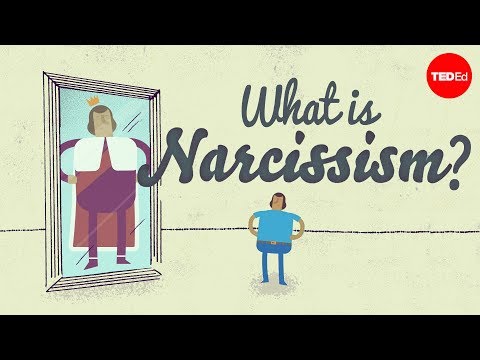
Hey you! Ever met someone who just seems to take everything a little too seriously? Like, they think the world revolves around them?
Este blog ofrece contenido únicamente con fines informativos, educativos y de reflexión. La información publicada no constituye consejo médico, psicológico ni psiquiátrico, y no sustituye la evaluación, el diagnóstico, el tratamiento ni la orientación individual de un profesional debidamente acreditado. Si crees que puedes estar atravesando un problema psicológico o de salud, consulta cuanto antes con un profesional certificado antes de tomar cualquier decisión importante sobre tu bienestar. No te automediques ni inicies, suspendas o modifiques medicamentos, terapias o tratamientos por tu cuenta. Aunque intentamos que la información sea útil y precisa, no garantizamos que esté completa, actualizada o que sea adecuada. El uso de este contenido es bajo tu propia responsabilidad y su lectura no crea una relación profesional, clínica ni terapéutica con el autor o con este sitio web.
That might be more than just a personality quirk. We’re talking about clinical narcissism here. Yeah, it’s a real thing!
Picture this: someone who can’t stop bragging about their achievements but never asks how you’re doing. Frustrating, right?
We’re gonna chat about the symptoms, how it’s diagnosed, and what options are out there for treatment. Seriously, this is way more common than you might think! So, let’s get into it!
Narcissistic Personality Disorder Treatment Plan: Comprehensive PDF Guide
Narcissistic Personality Disorder (NPD) can be a real challenge, both for those living with it and their loved ones. So, what does treatment typically look like? And how do we even identify it in the first place? Let’s break it down.
Symptoms of NPD can include:
- A constant need for admiration
- Lack of empathy for others
- Exaggeration of achievements
- Belief that they are special or unique
- Arrogant behaviors or attitudes
- Fragile self-esteem, often leading to rage when challenged
But getting diagnosed isn’t just about spotting symptoms. It requires a mental health professional to assess the person’s history and overall functioning in life. It’s like playing a really complicated puzzle game—pieces have to fit together just right!
Now, once someone is diagnosed with NPD, treatment options can vary significantly. Here are some common approaches:
- Therapy: Psychotherapy is the primary treatment. This could be individual therapy or group therapy. The goal here is to foster self-awareness and develop healthier ways of relating to others.
- Cognitive Behavioral Therapy (CBT): It helps address negative thought patterns and behaviors. This one’s all about retraining how you think—kind of like leveling up your character in a game!
- Medication: While there’s no specific medication for NPD, antidepressants or anti-anxiety drugs might be prescribed if there are accompanying symptoms.
- Family Therapy: Involving family members can help improve communication and set boundaries. It’s like team play; you gotta work together!
Here’s an emotional note: Imagine someone who constantly feels they need to ‘one-up’ everyone around them. They might seem confident on the surface but deep down they’re just really worried about what others think. It could feel isolating, both for them and their friends.
Now, creating a treatment plan for someone with NPD, while complex, usually includes several stages:
- Initial Assessment: This sets the stage—professionals get a clear picture of the individual’s needs.
- Goal Setting: Together, they define realistic goals for therapy.
- Treatment Strategies: This might involve setting regular sessions with the therapist.
- Evolving the Plan: As progress is made (or if hurdles come up), adjustments are necessary—like changing tactics mid-game!
It’s important to highlight that dealing with Narcissistic Personality Disorder doesn’t just magically fix everything overnight; healing takes time! And seriously, this journey isn’t one-size-fits-all—what works for one person may not work for another.
You know what? If you or someone close to you thinks they exhibit signs of NPD, it’s vital not to rely solely on online resources or guides—it’s definitely best to consult with a mental health professional who can tailor an approach suited specifically to that person.
Ultimately, understanding and treating Narcissistic Personality Disorder is challenging but essential. Empathy plays a massive role here—everyone deserves support on their journey!
DSM-5 Narcissistic Personality Disorder Overview and Diagnostic Criteria PDF
Narcissistic Personality Disorder (NPD) is one of those topics that can feel a bit heavy. But don’t worry, I’m here to break it down so it makes sense! Imagine you’re playing a game where the main goal is to be the best—like, in everything. That’s kind of how someone with NPD might approach life. They often seek admiration and validation from others, sometimes at the expense of meaningful relationships.
What exactly is Narcissistic Personality Disorder? It’s part of the DSM-5, which stands for the Diagnostic and Statistical Manual of Mental Disorders, Fifth Edition. Think of it as a guidebook for mental health professionals. NPD involves a pattern of grandiosity, need for admiration, and lack of empathy.
Here are some key symptoms you’d find in the DSM-5 criteria:
- Grandiose sense of self-importance: They might exaggerate achievements or talents. Imagine someone claiming they single-handedly won a huge championship!
- Preoccupation with fantasies: They often think about unlimited success or power—like being the ultimate hero in a video game.
- Believing they are special: They might think only special people can understand them or should associate with them.
- Narcissistic entitlement: Expecting special treatment without merit. It’s like saying: “I deserve this bonus because I just rock!”
- Lack of empathy: They may struggle to recognize or care about other people’s feelings or needs.
- Envy: Feeling envious of others or believing that others are envious of them—no fun there!
- Pretentious behavior: Acting snobby or haughty toward others.
If you’re thinking about what drives this behavior, it’s usually linked to deep-seated insecurities and unresolved issues from childhood. Maybe someone grew up feeling unnoticed unless they achieved something really big—it’s all about validation.
Now let’s talk diagnosis. A mental health professional would look for these signs over time—usually starting in early adulthood—and would also consider whether they affect social functioning significantly. It’s not just one bad day; it has to be a consistent pattern.
So what about treatment? Well, here comes the tricky part! Therapy can help but often takes commitment. Cognitive Behavioral Therapy (CBT) is one option that aims at changing negative thinking patterns and behaviors.
If you know someone who fits these signs, remember it doesn’t replace professional help. Encouraging them to reach out for support can be valuable—not always easy, though!
In summary? NPD is complex and manifests in various ways that can impact someone’s life greatly. But with understanding and appropriate help, change is possible! And remember: when dealing with narcissism—or any personality disorder—it’s important to approach with compassion and awareness.
Keep those conversations going!
Effective Treatment Options for Narcissistic Personality Disorder: A Comprehensive Guide
Narcissistic Personality Disorder (NPD) can be a challenging and complex condition. People with NPD often display exaggerated self-importance, a lack of empathy, and an intense need for admiration. Understanding this disorder is crucial for those who may deal with someone affected by it, or perhaps even recognize traits in themselves.
Symptoms of Narcissistic Personality Disorder include:
- Grandiosity: This is the feeling that you’re better than everyone else.
- Need for admiration: Seeking constant attention and validation from others.
- Lack of empathy: Difficulty recognizing or caring about the feelings of others.
- Exploitativeness: Taking advantage of others to achieve personal goals.
- Envy: Feeling envious of others’ successes or believing that they envy you.
It can lead to complicated relationships, both personally and professionally. The thing is, if not addressed, these behaviors can seriously affect quality of life.
In terms of diagnosis, mental health professionals use guidelines from manuals like the DSM-5. They’ll look for patterns in thoughts, feelings, and behaviors that are consistent over time. Sometimes a person might not even realize they have this disorder until faced with significant issues in relationships or work.
When it comes to treatment options, there isn’t an exact ‘one-size-fits-all’ approach. But there are several effective methods worth considering:
- Psychotherapy: This is the most common treatment. A therapist helps individuals understand their thoughts and behavior patterns. It’s like leveling up in a game; you tackle challenges to become a better version of yourself.
- Cognitive Behavioral Therapy (CBT): This method helps change negative thought patterns into positive ones. Imagine flipping negative scores into wins; that’s what CBT aims to do!
- Group therapy: Being around others facing similar struggles can foster understanding and support. It’s like being on a team – sharing experiences makes everyone stronger.
- Medication: While there’s no specific medication for NPD itself, doctors might prescribe antidepressants or antianxiety meds if someone faces related symptoms like depression or anxiety.
- Self-help techniques: Encouraging mindfulness practices can help individuals become more aware of their emotions and reactions. Think yoga or meditation; you get better at focusing when you practice regularly!
Just keep in mind—none of these treatments replace professional help! It’s important to consult a mental health professional who understands the nuances involved.
In my experience talking with people wrestling with these issues, I’ve seen how frustrating it can be when someone doesn’t see their behavior as problematic. There was this friend who could never hold onto relationships because she’d always bring the focus back to herself—it drained her friendships! When she finally sought therapy, things changed for the better; she learned how her actions affected others.
So if you or someone close to you has traits associated with NPD, seeking out help is a brave first step toward understanding oneself—leading to healthier relationships all around!
You know, the thing about narcissism is that it’s often misunderstood. Like, when you hear that word, you might picture someone with a big ego who just loves looking at themselves in the mirror all day long. But clinical narcissism is a whole different ball game.
Let’s break it down a bit. Clinical narcissism, or Narcissistic Personality Disorder (NPD), goes beyond just being self-centered. It’s like this intense need for admiration and a lack of empathy for others. Imagine someone who constantly feels superior—like they’re on a pedestal that nobody else can reach. They might throw tantrums over slights that seem small to everyone else or react really dramatically if they feel criticized.
And you know what? This can show up in lots of ways. Maybe someone gets angry when they’re not given the attention they think they deserve, or perhaps they have trouble maintaining relationships because of their need to be in control or feel special all the time. It’s kinda like this demanding kid who never grows up, always needing praise but never really caring about how others feel.
I remember chatting with a friend once who was dating someone with these traits, and it was eye-opening, to say the least. She’d tell stories about how her partner would always turn every conversation back to themself and any time she needed support, he’d dismiss her feelings with a wave of his hand—like she wasn’t even there! It left her feeling drained and questioning her own worth.
Diagnosing NPD isn’t as easy as flicking on a light switch. Mental health professionals look at specific criteria laid out in the DSM-5—it’s kind of like their rulebook for recognizing mental illnesses. They’ll assess things like whether someone has an inflated sense of self-importance or believes they’re unique and special compared to everyone else.
But here’s where it gets tricky: getting people with narcissistic traits to seek help is often tough because they usually think there’s nothing wrong with them! If you’re dealing with someone like this—or your friend is—you know how frustrating that can be!
When it comes to treatment options, therapy tends to be the go-to approach—especially cognitive-behavioral therapy (CBT). This type of therapy encourages people to change their thinking patterns and behaviors over time; kinda like reprogramming your mindset! It takes patience (a LOT of patience), but it’s possible for some individuals to make progress.
Still though, recovery can be challenging because old habits die hard! You’ve got people who might start feeling insecure without their usual accolades or validation from others; I mean come on—it can be scary!
So all in all, clinical narcissism isn’t just some quirky personality trait; it’s real and complicated stuff that affects not just individuals but everyone close to them too! Understanding it better helps us be more compassionate—not only toward them but also toward ourselves when we find those boundaries blurred because it can get pretty messy navigating relationships affected by this disorder.