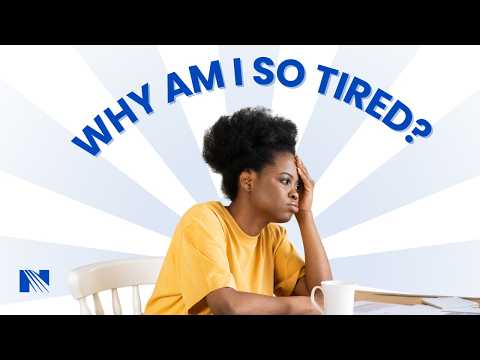
Hey, you! Ever feel like your body’s just dragging? Like, you can’t keep your eyes open or your brain isn’t firing on all cylinders? Yeah, I’ve been there too.
Este blog ofrece contenido únicamente con fines informativos, educativos y de reflexión. La información publicada no constituye consejo médico, psicológico ni psiquiátrico, y no sustituye la evaluación, el diagnóstico, el tratamiento ni la orientación individual de un profesional debidamente acreditado. Si crees que puedes estar atravesando un problema psicológico o de salud, consulta cuanto antes con un profesional certificado antes de tomar cualquier decisión importante sobre tu bienestar. No te automediques ni inicies, suspendas o modifiques medicamentos, terapias o tratamientos por tu cuenta. Aunque intentamos que la información sea útil y precisa, no garantizamos que esté completa, actualizada o que sea adecuada. El uso de este contenido es bajo tu propia responsabilidad y su lectura no crea una relación profesional, clínica ni terapéutica con el autor o con este sitio web.
Let me tell you—being physically tired isn’t just about wanting to take a nap. It goes way deeper than that. Seriously, it can mess with your mood, your focus, even how you interact with other people.
And here’s the kicker: it can affect your health over time. You think it’s all good after one long day? Nope! It’s about those little sneaky effects that pile up when you’re running on empty.
So, let’s chat about what being really tired does to us. Spoiler alert: it’s not just about needing more coffee!
Understanding the Physical and Psychological Effects of Severe Fatigue on Your Body
Severe fatigue is like that annoying pop-up ad that just won’t go away. Even when you’re trying to focus on something important, it keeps showing up, reminding you of its presence. It’s not just about feeling sleepy; it messes with your body and mind in ways that are pretty intense.
When you’re physically tired, your body is sending signals that something isn’t quite right. This isn’t just a “take a nap” situation—there are real physiological changes happening.
Here’s what to know about severe fatigue:
- Muscle Weakness: Your muscles feel heavier than usual. You know that feeling when your limbs are like lead? That’s because fatigue decreases your muscle strength. Think about trying to lift a heavy object while you’re already exhausted—it feels near impossible!
- Immune System Strain: When you’re constantly fatigued, your immune system takes a hit. You might find yourself getting sick more often—colds, flu, even simple stuff like headaches can become frequent visitors.
- Mental Fog: You may notice difficulty concentrating or making decisions. Imagine trying to play your favorite video game while half-asleep; you’re missing key moves and can’t keep track of what’s happening on-screen.
- Emotional Imbalance: Fatigue can bring on irritability or mood swings. It’s like being in a game where the character gets random outbursts—totally unpredictable and frustrating for everyone involved!
- Sleep Disruption: Ironically, being super tired can mess up your sleep patterns too. If you’ve ever tossed and turned all night instead of getting restful sleep, you know what I mean.
So let’s talk about how all this ties into the bigger picture: Your mental health.
When you’re wrung out physically, your mind follows suit. Severe fatigue can lead to anxiety or depression—like an unwelcome shadow lurking behind every corner. If you’ve ever felt that mounting sense of dread when all you want is to curl up for some shut-eye but can’t seem to drift off? Yeah, this is part of it.
And here’s the kicker: chronic fatigue can create a cycle that’s hard to break—one where physical tiredness influences mental health and vice versa! It’s like being stuck in a hamster wheel, running but not getting anywhere.
Now let me share something personal: There was this time I thought I could power through some all-nighters for a project—I mean, who hasn’t? But after days of little sleep, my body started protesting big time! I felt foggy-brained during the day and couldn’t enjoy any downtime because my mind was racing with thoughts I couldn’t catch. That fatigue made everything harder—not just work but relationships too.
The main takeaway here? Severe fatigue doesn’t just slow you down; it actively works against the awesome life you’re trying to live! If what you’ve read resonates with you and you’re struggling with persistent tiredness or emotional upheaval related to it, remember—it never hurts to reach out for professional help.
Your well-being matters. Prioritize it!
Understanding Tiredness: Is Feeling Fatigued in Your 60s Normal?
Feeling tired is just part of life, right? But when you hit your 60s, that tiredness can feel like a heavy blanket sometimes. So, how do you know if what you’re experiencing is just normal aging or something else? Let’s break this down together.
First off, let’s chat about **what causes fatigue**. There are lots of reasons you might feel more tired as you age. Some common factors include:
- Physical changes: Your body naturally loses muscle mass and endurance over time, making even simple tasks seem more exhausting.
- Sleep patterns: You might find that your sleep isn’t as deep or restorative as it used to be. Maybe you’re waking up more often or having trouble falling asleep.
- Medical conditions: Chronic illnesses like diabetes or heart disease can sap your energy. Talk to your doctor if this is a concern.
- Mental health: Feeling blue or dealing with anxiety? Those feelings can make you feel oh-so-tired too.
Let’s talk about those **physical changes** for a sec. When I was visiting my grandma recently, she mentioned how just getting up from the couch felt like a workout! It reminded me of how some video games require stamina and strategy—like playing Mario Kart where every race drains your energy the longer you play. The same thing happens in real life; without regular physical activity, our energy levels drop.
Now, about sleep…ugh! Sleep issues are super common in older adults. You know how after binge-watching a series all night, you wake up feeling like a zombie? Now imagine that feeling every morning because you’re not sleeping well—or can’t stay asleep! It’s frustrating.
Then there are medical conditions. Long-term health problems can seriously drain your battery. It’s super important to keep in touch with healthcare professionals if fatigue becomes overwhelming because they can help pin down any underlying issues.
And let’s not forget mental health factors! If you’re feeling down or stressed out—kind of like when you lose at chess after thinking you’ve got it—and it takes all your energy to get back on track.
So, is feeling fatigued in your 60s normal? Well, yes—but it doesn’t mean you should just accept it. Make sure to check in on these aspects of your life:
- Stay active: Regular exercise—even light walking—can work wonders for your energy.
- Create a good sleep routine: Go to bed and wake up at the same time each day, create a cozy sleep environment.
- Eats well: A balanced diet rich in fruits and vegetables helps maintain energy levels.
- Pursue hobbies: Engaging in activities that spark joy can boost your mood and combat fatigue!
Inspiring quote time: «You don’t stop playing because you grow old; you grow old because you stop playing.» Keep engaging with life; it makes such a difference!
If tiredness ever feels unmanageable or affects daily living—seriously don’t hesitate to reach out for support from professionals who can guide you through this journey. All in all, being proactive about understanding fatigue is key to maintaining quality of life as we age!
Effective Strategies and Remedies for Managing Fatigue: What Can I Take?
So, let’s talk about fatigue. You know that feeling when you’ve been running around all day or maybe staring at screens for too long? Your body just screams for a break. Physical tiredness doesn’t just slow you down; it really messes with how your body functions.
When you’re exhausted, your body reacts in some interesting ways. For one, fatigue can make it hard to concentrate, leading to mistakes—kind of like when you’re playing a game and your character just keeps running into walls. The brain needs energy to operate well, and without it, you end up feeling foggy.
But there are some effective strategies and remedies that can help manage fatigue. Let’s explore what you might find helpful:
- Rest is Key: Seriously, don’t underestimate the power of a good night’s sleep. Aim for 7-9 hours each night if you can. Your body does so much while you’re asleep—like charging a battery!
- Nourish Yourself: Eating balanced meals makes a big difference. Think proteins, healthy fats, and whole grains. If you think of your body like a car, premium fuel goes a long way in keeping it running smoothly.
- Stay Hydrated: Dehydration sneaks up on us sometimes. When you’re tired, reach for water instead of sugary drinks or caffeine. Staying hydrated helps maintain your energy levels—trust me!
- Short Breaks: Take those little breaks during work or studying! A 10-minute walk or stretch can really recharge your mental batteries. Quick pauses are like power-ups in video games; they boost performance!
- Meditation and Breathing Exercises: Calming practices help too! Just taking a few deep breaths can rejuvenate you more than you’d think—it’s like hitting the reset button.
You might have noticed how emotional fatigue often follows physical tiredness—it becomes this nasty cycle that’s tough to break! You feel drained and stressed out all at once.
If you’re consistently feeling fatigued, consider talking to someone who gets this stuff deeply—like a doctor or psychologist—because they can offer tailored advice just for you.
This isn’t about quick fixes but rather building habits that will sustain your energy over time! All in all, managing fatigue is about listening to your body and adjusting accordingly so you keep it running strong! Feel better soon!
You know that feeling when you’ve pushed yourself a little too hard—maybe it’s the late-night Netflix binge or that intense workout you thought you could handle? Yeah, it turns out being physically tired isn’t just about needing more sleep. It affects your body in ways that might surprise you.
Let’s picture it for a second. Imagine you’ve just finished a long week at work. You’re exhausted, dragging yourself home and all you can think about is collapsing onto the couch. But what happens next? Your body starts telling you things—your muscles ache, your head feels heavy, and even simple tasks feel like climbing a mountain. It’s not just mental; it’s like your body is screaming for a break.
So, here’s the thing: when you’re physically tired, your body’s systems start to slow down. Energy levels dip, which can lead to this funky fog in your brain where thinking clearly becomes tough. Seriously, ever tried working on an important project during one of those days? Ugh! Your concentration takes a nosedive and suddenly you’re staring blankly at your screen wondering if “cat videos” could somehow relate to your work topic.
And on top of that—here’s something pretty wild—when you’re tired, it can mess with your emotions too. You might find yourself snapping at loved ones over small stuff or feeling way more anxious than usual. I remember once after a rough week, my friend just lost it over not having their favorite snack at home! It was kind of funny at the time but also sad because I could see how being drained affected them emotionally.
Plus, let’s not forget about the physical impacts on your health long-term. Chronic tiredness can weaken your immune system and make you more vulnerable to getting sick. It feels like one bad cycle: the more you push through being exhausted, the worse off you’ll be later.
The solution? Well, ensuring you take breaks when needed is key. That might mean prioritizing sleep or just chilling out for a bit during the day—whatever works for you! This whole conversation reminds me that our bodies need love and care; ignoring fatigue can lead to bigger issues down the road.
So next time you’re feeling wiped out after pushing it too hard, pay attention to what it’s saying! Your body’s trying to tell you something important… listen up!