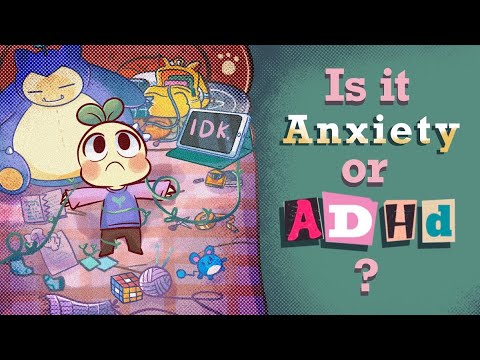
Hey you! So, let’s chat about something we all deal with at some point—anxiety. But not just that, we’re gonna sprinkle in a little ADHD for fun.
Este blog ofrece contenido únicamente con fines informativos, educativos y de reflexión. La información publicada no constituye consejo médico, psicológico ni psiquiátrico, y no sustituye la evaluación, el diagnóstico, el tratamiento ni la orientación individual de un profesional debidamente acreditado. Si crees que puedes estar atravesando un problema psicológico o de salud, consulta cuanto antes con un profesional certificado antes de tomar cualquier decisión importante sobre tu bienestar. No te automediques ni inicies, suspendas o modifiques medicamentos, terapias o tratamientos por tu cuenta. Aunque intentamos que la información sea útil y precisa, no garantizamos que esté completa, actualizada o que sea adecuada. El uso de este contenido es bajo tu propia responsabilidad y su lectura no crea una relación profesional, clínica ni terapéutica con el autor o con este sitio web.
You know how sometimes your mind feels like it’s running a marathon while your body just wants to chill? Yeah, that’s kinda what it’s like with Generalized Anxiety Disorder and ADHD.
It can be super tricky. I mean, picture being on a rollercoaster of thoughts with no seatbelt! Scary, right?
In this crazy ride, we’re gonna break down how these two things link up and what they really mean for you or someone you care about. So buckle up; it’s gonna be enlightening!
Effective Strategies for Treating ADHD and Anxiety in Adults
So, let’s chat about ADHD and anxiety, especially how they connect in adults. If you’re feeling overwhelmed by these issues, you’re not alone. In fact, many people experience both conditions, and they can really mess with day-to-day life.
ADHD (Attention-Deficit/Hyperactivity Disorder) is often characterized by trouble focusing, impulsivity, and hyperactivity. On the other hand, Generalized Anxiety Disorder (GAD) brings constant worry and tension about everyday situations. Now, toss these two together and it can create a cocktail of chaos!
Here’s the scoop: those with ADHD might struggle even more with anxiety symptoms. Why? Well, ADHD can lead to difficulties in organization and time management which might result in feeling constantly behind or overwhelmed—hello anxiety!
- Mindfulness Meditation: This is all about being present in the moment. Picture yourself sitting quietly, focusing on your breath. It sounds simple but can really help calm racing thoughts.
- Cognitive Behavioral Therapy (CBT): This therapy focuses on changing negative thought patterns. You learn to recognize unhelpful thoughts that fuel both ADHD and anxiety.
- Exercise: Seriously underrated! Physical activity releases endorphins that help reduce stress and improve focus. Try a brisk walk or even a fun dance session at home!
- Create Routines: Having a daily structure helps manage both conditions. Whether it’s setting specific times for work or play, it helps keep you grounded.
- Lifestyle Changes: Things like getting enough sleep and eating well play huge roles in managing symptoms. Ever notice how you feel more anxious when you’re hungry? Keeping your body fueled matters.
- Medication: Some people benefit from medication prescribed by their doctor to help manage symptoms like hyperactivity or anxiety feelings; however this should always be discussed with a professional.
I remember one friend who struggled with both conditions; every time she had to present at work, her heart would race as her mind went blank—it was so tough for her! But once she started practicing mindfulness techniques combined with structured routines? Wow! She noticed a world of difference—she was able to speak up confidently.
A big part of dealing with these challenges is recognizing when things are out of control—knowing that it’s perfectly okay to ask for help from professionals who understand these disorders deeply.
The bottom line is you’re not alone on this journey. Seeking support through therapy or community resources can make all the difference while implementing these strategies may provide a helpful boost!
This conversation isn’t a substitute for professional advice; if you’re dealing with ADHD or anxiety much deeper than what we’ve touched on here, reach out to someone who can give tailored guidance just for you.
GAD and ADHD in Women: Understanding Symptoms, Diagnosis, and Treatment Options
Let’s chat about two pretty common conditions that can bring a lot of challenges: Generalized Anxiety Disorder (GAD) and Attention-Deficit/Hyperactivity Disorder (ADHD). Both can affect women in unique ways, and they’re often linked, which makes understanding them super important.
GAD is basically an overwhelming feeling of worry. You find yourself anxious about everyday things. It’s not just about having a bad day; it’s like your mind is stuck in overdrive, worrying about work, family, or even just what you’re going to have for dinner. Imagine watching a really intense movie where you just can’t look away—you’re anxious the whole time!
Now, on the flip side, we’ve got ADHD. This isn’t just about being hyperactive; it can also mean struggling to focus or feeling really restless. Many women might feel they have too many thoughts racing around in their heads at once. It’s like trying to play several video games all at the same time—each one vying for your attention!
Symptoms of GAD in women can include:
- Persistent worrying that feels uncontrollable.
- Feeling restless and on edge.
- Trouble concentrating or your mind going blank.
- Somatic symptoms like headaches or muscle tension.
For ADHD, symptoms often look like:
- Difficulties maintaining attention on tasks.
- Easily distracted by extraneous stimuli.
- Struggling with organization and following through on projects.
- Mood swings or irritability.
This is where things get tricky! Women might experience both GAD and ADHD together, complicating diagnosis and treatment. Sometimes anxiety can mask ADHD symptoms—or vice versa. You might feel overwhelmed by anxiety and think it’s just stress from not getting tasks done when really it’s because you can’t focus due to ADHD!
The diagnosis process? Well, it typically involves talking with a healthcare professional who’ll ask lots of questions about your feelings, behaviors, and experiences. They might use specific checklists or questionnaires to help figure out whether you fit the criteria for either disorder—or both. It’s kind of like solving a puzzle where each piece represents different aspects of your mental health.
Treatment options vary, depending on what works best for you:
- Cognitive Behavioral Therapy (CBT): This helps by changing negative thought patterns related to anxiety and focus issues.
- Medications: These could be anti-anxiety medications for GAD or stimulants/non-stimulants for ADHD that help manage symptoms better.
- Lifestyle changes: Regular exercise and mindfulness practices can seriously boost mood and reduce anxiety levels—think yoga or even a brisk walk!
A personal story: A friend of mine struggled with both GAD and ADHD during her college years. She often felt completely overwhelmed before exams—not because she didn’t study but because her mind was racing with worries about everything else! Once she sought help through therapy combined with some medication adjustments, life started looking brighter—and exams became less daunting.
No matter what you’re experiencing, always remember: reaching out for the right support is key. This info here isn’t meant to replace professional help but rather to give you a starting point in understanding how GAD and ADHD can impact women’s lives differently! And hey—you’re not alone in this journey!
ADHD or Anxiety Quiz: Identify Your Symptoms and Understand Your Condition
When you’re feeling overwhelmed, it can be tricky to tell if it’s anxiety or ADHD sneaking in. You know how it goes – maybe you’re anxious about an upcoming task, or perhaps you can’t focus on anything at all. Both conditions can play hardball with your mind and make life feel just a tad chaotic.
Let’s break this down a bit. **Generalized Anxiety Disorder (GAD)** is like living in a constant state of worry. Picture yourself trying to play a video game but the character’s always under attack, even when nothing’s happening. The sense of threat doesn’t go away, and that can really wear you out over time.
On the other hand, **ADHD** (Attention-Deficit/Hyperactivity Disorder) feels like playing that same game but with the controller’s batteries dying mid-action. You start strong but then lose focus; distractions pop up everywhere, and staying on task becomes almost impossible.
So how do you know if you lean more towards anxiety or ADHD? Here are some symptoms to consider:
- For Anxiety: You might feel restless, always on edge, or have racing thoughts.
- For ADHD: You could struggle with organization, frequently lose things, or find yourself daydreaming during important moments.
- Physical Symptoms: Anxiety often brings headaches or stomach issues while ADHD can lead to impulsive actions like interrupting others.
Sometimes these symptoms overlap like a Venn diagram of chaos. Imagine having trouble focusing while also worrying about making mistakes – it’s like trying to play two games at once! It gets overwhelming pretty fast.
You might be asking yourself: «How do I figure out what I’m dealing with?» An informal quiz could help shed some light on your feelings:
- Question 1: Do you find yourself worrying excessively most days?
- Question 2: Is it tough for you to keep your attention when someone is talking?
- Question 3: Do you often forget appointments or commitments?
This isn’t meant to diagnose anything! It’s just a way for you to reflect on what’s going on inside your head. Remember, every individual is unique and there’s no one-size-fits-all answer here.
Finally, if you’re feeling really lost and confused by these symptoms? It might be worth chatting with a professional who knows their stuff. They can help sort through all this jumble and get down to what’s really going on.
In the end? Just know that whatever you’re feeling is valid and many people share similar struggles. You’re not alone in this wild ride of life!
You know, anxiety can feel like this heavy backpack you just can’t shake off, right? And when you add ADHD into the mix, it’s like trying to run a marathon while lugging around that backpack full of rocks. Many people with ADHD often experience generalized anxiety disorder (GAD), but the connection between them isn’t always clear.
Let’s break it down a bit. ADHD—attention deficit hyperactivity disorder—is all about having trouble focusing, staying organized, or controlling impulses. It feels like your brain is juggling a thousand thoughts at once while someone else keeps trying to distract you. You might be sitting in class or at work, and it’s hard to pay attention because your mind is racing everywhere.
Now, GAD is the constant worry about everyday things. You might find yourself worrying about making a mistake at work or even whether you’ll get stuck in traffic on the way home—it’s pretty exhausting! Imagine having that nagging voice in your head that just won’t quit. For someone with both ADHD and GAD, those worries can feel even more intense since managing daily tasks is already challenging.
I remember talking with a friend who had both conditions. She shared how she would spiral into anxiety over simple things—like forgetting an appointment or losing her keys—and then she would beat herself up over those “mistakes.” It was like this vicious cycle: her ADHD made her forgetful, which triggered her anxiety, which made her feel even more forgetful! Brutal, right?
So why do they seem linked? Well, one theory suggests that both conditions may stem from similar brain pathways related to attention and self-regulation. That would explain why people with one condition often find themselves dealing with the other as well!
And here’s something else to think about: societal expectations play a role too. If you’re always being told to focus better when your brain just won’t cooperate? Talk about stress! The pressure can amplify feelings of inadequacy and worry.
It’s essential for folks dealing with this combo platter of challenges to get support—whether that means therapy or medication or just finding coping strategies that work for them personally. Having ADHD doesn’t mean you’re labeled forever; there are ways to manage and thrive despite those hurdles.
In the end, it’s all about understanding yourself and finding tools that help you navigate life without feeling overwhelmed by anxiety every step of the way. You deserve that lighter backpack!