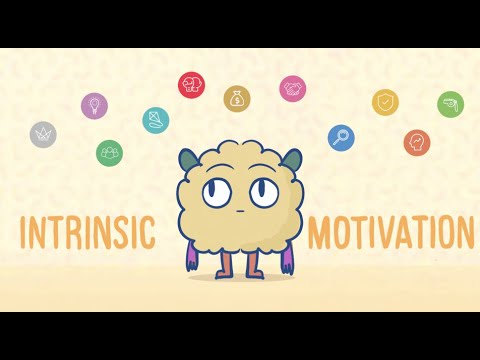
You know that feeling when you just can’t seem to get out of bed?
Yeah, I’ve been there too.
Este blog ofrece contenido únicamente con fines informativos, educativos y de reflexión. La información publicada no constituye consejo médico, psicológico ni psiquiátrico, y no sustituye la evaluación, el diagnóstico, el tratamiento ni la orientación individual de un profesional debidamente acreditado. Si crees que puedes estar atravesando un problema psicológico o de salud, consulta cuanto antes con un profesional certificado antes de tomar cualquier decisión importante sobre tu bienestar. No te automediques ni inicies, suspendas o modifiques medicamentos, terapias o tratamientos por tu cuenta. Aunque intentamos que la información sea útil y precisa, no garantizamos que esté completa, actualizada o que sea adecuada. El uso de este contenido es bajo tu propia responsabilidad y su lectura no crea una relación profesional, clínica ni terapéutica con el autor o con este sitio web.
Motivation can be a real slippery slope sometimes. One minute you’re pumped up and ready to take on the world, and the next—poof! You’re staring at your ceiling, wondering what happened.
What’s that all about? Why does it feel like some days are just a struggle to get going?
Let’s dig into it together. We’ll chat about what really causes this lack of motivation and maybe even find a way to turn it around. Sound good?
Understanding the Root Causes of Lack of Motivation: A Psychological Perspective
Lack of motivation can feel like a tough wall to climb, can’t it? It’s like trying to play your favorite video game, but the controller is broken. You’re just stuck there, unable to move forward. Let’s unpack some of the root causes behind this feeling so you can maybe make sense of what’s happening in your life.
First up, let’s talk about mental health. Conditions like depression and anxiety can zap your energy and enthusiasm for activities you once enjoyed. Imagine getting up to play that new game you’ve been excited about, but suddenly the thought of starting just feels exhausting. It’s not because you don’t love gaming; it’s just that your mind feels clouded.
- Biological factors: Sometimes, it can be as simple as your brain chemistry acting up. Our brains produce chemicals like dopamine that influence how motivated we feel. If those levels are off, motivation definitely drops.
- Environmental influences: Your surroundings matter too! If you’re stuck in a dull routine or surrounded by negative energy—yeah, that can bring anyone down. Think about how much more fun a gaming session is with friends instead of sitting solo in a dim room.
- Emotional issues: Maybe there are unresolved feelings or stressors weighing you down? Everyone deals with stuff differently; sometimes those feelings bury our drive deep down.
- Unrealistic expectations: Setting sky-high goals without considering your current situation can lead to feeling overwhelmed. Ever tried completing every single level on a game on the hardest difficulty? Yeah, frustration city!
- Lack of interest or purpose: If what you’re doing doesn’t resonate with you anymore, motivation takes a hit. Think of it like grinding through a boring quest in a game—you might start losing interest and barely play.
Okay, now let’s get personal for a moment. I remember this time when I was super into hiking. Then life got hectic—school, work; everything piled up! Suddenly, the idea of lacing up my boots felt like climbing Mount Everest. I realized I was feeling overwhelmed by all these obligations and had lost sight of why I loved hiking in the first place.
Finding motivation often starts with understanding these root causes. Acknowledging what’s going on inside is key! So if you’re struggling right now—hey—that’s totally okay! It happens to everyone at some point or another.
But here’s the thing: figuring this stuff out isn’t always easy and sometimes you might need professional help to work through it all—like talking to someone who gets it!
In the end, recognizing these factors is just one step toward sparking that motivation again. Whether it’s setting smaller goals or changing your environment a bit—little tweaks can lead to big changes over time.
So next time you’re feeling stuck or unmotivated? Just remember: it might not be *you*; sometimes it’s just life getting in the way! And that’s alright—you’re definitely not alone in this journey.
Understanding Low Motivation: Exploring Causes and Solutions Without Depression
Feeling stuck and lacking motivation? You’re definitely not alone. So many people hit that wall, whether it’s in work, studies, or even hobbies. It’s super frustrating, but let’s dig into some of the possible reasons behind it. Spoiler: it doesn’t always mean you’re depressed!
First off, low motivation can stem from various factors, and often they’re more about your environment or mindset than a mental health issue. Here are a few common culprits:
- Overwhelm: Sometimes the sheer amount of stuff you have to do can make you freeze up. Like, when you’ve got ten games on your to-play list but no idea which one to pick!
- Lack of interest: If something doesn’t excite you or feel relevant, it’s easy to put it off. Remember that time you tried playing a game everyone loved but just couldn’t get into it? Exactly.
- Unrealistic expectations: Setting the bar too high can be paralyzing. Think about trying to beat a hard level in a game—if you expect yourself to ace it right away, frustration builds fast.
- Perfectionism: This one’s tricky! Wanting everything to be “just right” often stops progress in its tracks. It’s like being stuck in an endless tutorial because you’re afraid of making mistakes.
- Lack of structure: A routine can give your day purpose! Without it, days blur together and motivation fades away like the last few levels before game night.
- Fatigue or burnout: Being tired—physically or emotionally—will zap your desire to do anything productive. Ever felt so drained after work that even gaming seems exhausting? Yeah, we’ve been there!
Now that we’ve covered some causes, let’s chat solutions! It’s all about finding what works for you:
- Set small goals: Break tasks into bite-sized pieces. Instead of saying “I’ll clean my whole room,” try “I’ll just tidy my desk.” Celebrate those little wins!
- Create a routine: Structure can help kickstart your day! Maybe set aside a specific time for hobbies or chores—like treating them as daily quests in an RPG.
- Limit distractions: Put away your phone or close those tabs when you’re focusing on something important. You wouldn’t want distractions creeping in while playing multiplayer games either!
- Talk about it: Seriously! Sharing feelings with friends can lighten the load and maybe spark some new ideas for motivation.
- Reward yourself: Treat yourself after completing tasks—like binge-watching a show after studying hard! Rewards make achievements feel special.
- Mix things up: If you’re stuck in a rut with one activity, try switching gears. For example, if gaming isn’t doing it for you today, how about reading instead?
The key takeaway? Your low motivation isn’t always tied to something serious like depression. Often it’s situational and can be tackled with little changes here and there. Just keep experimenting until you find what clicks!
If these feelings linger or get worse though, seriously consider chatting with a professional who knows their stuff; they can offer support tailored just for you.
Your journey matters—it’s okay to take baby steps as long as you’re moving forward!
Understanding the Psychological Factors Behind Lack of Motivation
Feeling a lack of motivation can be an absolute struggle, right? It’s like, one day you’re ready to take on the world, and the next, it feels like every little task is a mountain to climb. But what’s really going on here? Let’s break it down a bit.
1. Understanding Motivation
Motivation is the reason behind your actions. Think of it as the fuel that keeps your engine running. Without it, you might feel stuck or unproductive. You know that feeling when you start a new video game? The excitement of leveling up and earning rewards keeps you glued to your screen. That’s motivation in action!
2. Psychological Factors
There are several psychological factors that can zap your motivation faster than you can say «I just want to binge-watch Netflix.» Here’s a look at some of them:
- Fear of Failure: If you’re worried about messing up, it’s easy to avoid starting something altogether.
- Perfectionism: Waiting for everything to be just right can lead to procrastination and inactivity.
- Lack of Interest: If something doesn’t excite you, why would you want to do it?
- Overwhelm: When tasks pile up, it might feel easier to do nothing than tackle them all.
- Mood Disorders: Conditions like depression or anxiety can severely affect energy levels and drive.
3. Real-Life Example
Let me tell you a quick story about my buddy Mark. He was super pumped about starting a new workout routine—picture him in his bright sneakers, ready for action! But after one week, he fell into this funk where he just couldn’t bring himself to hit the gym anymore. Turns out he was afraid he’d embarrass himself in front of more experienced gym-goers. His fear made him avoid the gym altogether—classic case of fear standing in the way!
4. External Influences
Sometimes it’s not just in your head; external factors matter too! Your environment plays a massive role in keeping you motivated:
- Lifestyle Changes: New jobs or moving cities can shake things up.
- Social Circle: Being around negative people can drag down your vibe.
- Physical Environment: A cluttered space often leads to a cluttered mind; tidy up!
5. What Can You Do?
While this definitely doesn’t replace talking with a pro if things get heavy, there are ways to get back into the groove:
– Set small goals: Break tasks into bite-sized pieces.
– Change your environment: Sometimes rearranging your workspace makes all the difference.
– Reward yourself: Treat yourself after completing something—maybe grab that coffee from your favorite café!
Feeling unmotivated happens to everyone at some point; don’t be too hard on yourself about it! Just remember that understanding what’s behind that feeling is key—you’ve got this!
We’ve all been there, right? Sitting around, feeling like a slug while the world buzzes with activity. The other day, I caught myself scrolling through my phone for hours, not really doing anything productive—or even enjoyable, to be honest. It got me thinking about motivation and what happens when it seems to vanish into thin air.
So, let’s dig into this. Motivation isn’t just some magical force that pops up whenever you need it. It’s more like a plant; sometimes it blossoms beautifully, and other times… it just wilts away. A big part of the struggle can come from our expectations of ourselves. You know how it goes: we set these massive goals and then feel crushed when we can’t meet them. It creates this cycle of disappointment that’s hard to break.
But there are deeper layers to this whole motivation thing too. For instance, if you’re feeling overwhelmed with stress or anxiety, it can sap your drive faster than you can say “I should be doing something!” Sometimes life throws so much at us—work, relationships, financial concerns—that just getting out of bed feels like scaling Everest.
And then there’s the issue of purpose or meaning in what we’re doing. Have you ever felt completely out of sync with your daily tasks? Like the things you’re doing don’t resonate with who you are or what you care about? That lack of connection can seriously kill any spark of motivation.
A friend of mine hit a wall when he realized his job wasn’t aligned with his passions anymore. He felt stuck in a rut for months! Once he took a step back and reflected on what truly mattered to him—adventure, creativity—everything started shifting for him. He began pursuing side projects that sparked joy and guess what? His energy levels returned too.
But here’s the kicker: sometimes we blame ourselves too harshly for not feeling motivated. It’s easy to think we’re lazy or incompetent when really, it’s about understanding the underlying reasons behind our feelings—and that takes time.
Maybe you’re tired because you’ve been burning the candle at both ends or maybe you’re stuck because you’re afraid to take that leap into something new. Whatever it is, recognizing those feelings is half the battle won.
In the end, give yourself permission to feel unmotivated now and then; it’s part of being human! Just remember to check in with yourself regularly—what’s making you feel this way? And more importantly, what tiny step could you take today that might help illuminate your path again?