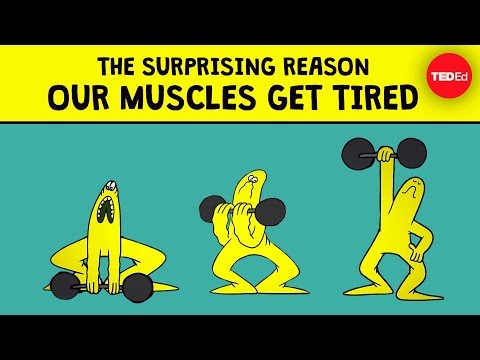
Hey, you ever feel that weird heaviness in your arms after doing something simple? Like, maybe you were just scrolling through your phone or lifting a grocery bag?
Este blog ofrece contenido únicamente con fines informativos, educativos y de reflexión. La información publicada no constituye consejo médico, psicológico ni psiquiátrico, y no sustituye la evaluación, el diagnóstico, el tratamiento ni la orientación individual de un profesional debidamente acreditado. Si crees que puedes estar atravesando un problema psicológico o de salud, consulta cuanto antes con un profesional certificado antes de tomar cualquier decisión importante sobre tu bienestar. No te automediques ni inicies, suspendas o modifiques medicamentos, terapias o tratamientos por tu cuenta. Aunque intentamos que la información sea útil y precisa, no garantizamos que esté completa, actualizada o que sea adecuada. El uso de este contenido es bajo tu propia responsabilidad y su lectura no crea una relación profesional, clínica ni terapéutica con el autor o con este sitio web.
Arm fatigue can sneak up on you when you least expect it. One minute you’re fine, and the next, you’re like, “What is going on?”
Seriously, it’s annoying! You want to use your arms but they feel like lead weights. Ugh!
So, let’s chat about what might be causing that tiredness and how to shake it off. Sound good?
Effective Strategies to Alleviate Arm Fatigue and Enhance Muscle Recovery
Arm fatigue – it’s something we’ve all felt at one point or another, right? Maybe you’ve been typing away at your computer, lifting weights, or even just holding your phone for way too long. Anyway, let’s talk about what causes that tired feeling and how you can help yourself feel better.
What Causes Arm Fatigue?
Arm fatigue can happen for a bunch of reasons. Sometimes it’s just from overuse. You know that moment when you’ve been playing a game like *Just Dance* for hours? Your arms start to feel like jelly, right? It’s not just because you’ve been dancing; it’s because the muscles are tired from constant movement.
There are other underlying factors too:
- Poor posture: Slouching or hunching can lead to muscle strain.
- Lack of hydration: Not drinking enough water can affect muscle performance.
- Muscle imbalances: If some muscles are stronger than others, it could lead to fatigue.
- Nerve compression: Issues like carpal tunnel syndrome might also contribute.
Knowing these causes is key to addressing the problem effectively!
Strategies for Relief
So now that we know what’s causing the fatigue, what can you do to alleviate it? Here are some effective strategies:
- Rest: It sounds simple but taking breaks is crucial. Try setting a timer when you’re working on tasks that involve arm usage. Give yourself mini-breaks every hour!
- Stretching: Just stretching those tense muscles can make a world of difference. You know that stretch where you extend your arm out and pull back on your fingers gently? Yeah, that’s a good one!
- Hydration: Drink plenty of water throughout the day. Seriously! Dehydration can zap your energy faster than you’d think.
- Mild exercises: Light exercises like wrist rotations or squeezing a stress ball can keep the blood flowing without exhausting your muscles further.
- Cold and warm therapy: Alternating cold packs and warmth is super helpful! Cold reduces inflammation while warmth helps relax tight muscles.
And remember – if you’ve got persistent pain or issues with arm fatigue, it could be time to chat with a healthcare professional.
The Role of Recovery in Muscle Health
Recovery isn’t just about not using your arms; it’s also essential for muscle health. After all, when you’ve worked those muscles hard (like after an intense workout), they need time to rebuild stronger.
You might consider incorporating protein into your diet for recovery – things like chicken, fish, or even legumes if you’re leaning plant-based – as they support muscle repair.
But really, don’t forget about sleep! Getting enough rest allows those muscles to recover fully so you’re not heading back into activity with fatigued arms again.
In the end, listening to your body is key. If something feels off or doesn’t improve with these strategies—well—don’t hesitate to seek professional advice! After all, our bodies have limits, and respecting them goes a long way in keeping us feeling great and ready for whatever comes next!
Understanding the Causes of Fatigue in the Arms: Physical and Psychological Factors Explained
Fatigue in the arms can feel pretty rough, right? It’s like your muscles have hit a wall, and they just don’t want to do anything anymore. But what causes that tired, heavy feeling? Well, there are both physical and psychological factors to consider.
First off, let’s tackle the physical side. Think about how often you use your arms throughout the day. From typing on a keyboard to lifting groceries or even playing games like tennis or basketball—your muscles are working hard. Sometimes, if you push them too much without enough rest, they’re going to scream at you.
- Muscle Overuse: If you’re exercising frequently or even doing repetitive motions in your job, that can lead to fatigue. Imagine being at the gym going all out on arm day without giving those muscles a break.
- Poor Posture: Sitting hunched over at your desk can create tension in your shoulders and arms. When you’re gaming for hours on end, it’s easy to forget about that! Over time, this tension doesn’t just make you tired; it can also bring discomfort.
- Nutritional Deficiencies: Not getting enough vitamins or minerals—like magnesium or potassium—can cause muscle fatigue too. A lack of proper nutrients means your muscles won’t function properly and can lead to that sluggish feeling.
Now let’s not forget about the psychological factors here! Stress and anxiety can be real culprits when we talk about fatigue.
- Anxiety and Stress: When you’re stressed out, your body works harder than usual even if you’re just sitting still! That stress response uses energy that keeps piling up until it feels overwhelming. Ever been so anxious during an intense game that you felt exhausted after just an hour? Yeah, that’s what I mean!
- Lack of Sleep: If you’re juggling life’s demands and skimping on sleep—a common story these days—your whole body suffers. Your arms aren’t immune either! You might find them feeling heavy after a rough night of tossing and turning.
The bottom line is: fatigue in your arms can stem from a mix of physical exertion and emotional stressors. And while it’s sometimes just part of life—like when you’ve had one too many late nights gaming—it’s important to listen to what your body is telling you.
If this tiredness hangs around longer than expected or starts interfering with daily life? That could be a signal from your body saying it needs some help! Maybe it’s time for a chat with a healthcare professional who can guide you through it all more deeply. Remember, taking care of yourself is key!
I hope this sheds some light on why those arms might feel like lead sometimes! Keep listening to your body—and don’t forget: everybody gets worn out now and then!
Understanding Arm Fatigue: Symptoms, Causes, and Psychological Impact
Arm fatigue can feel pretty overwhelming, right? You’re going about your day, maybe lifting weights at the gym or just reaching for that last cookie, and suddenly your arms feel heavy and exhausted. Let’s chat about what really causes this tiredness, how it shows up, and even the psychological side of things.
Symptoms of Arm Fatigue
You might recognize arm fatigue when you start feeling:
- A heaviness in your arms
- Weakness in grip or difficulty lifting objects
- Tingling or numbness in fingers
- Pain or discomfort after use
It’s like when you’ve spent too long on your phone and your fingers start to tingle. It can get annoying!
Causes of Arm Fatigue
So where does this weariness come from? Here are some big hitters:
- Overuse: Just like a computer game freezes if it runs too long without a break, our muscles can get fatigued from excessive use. Think about doing push-ups until you just can’t anymore.
- Poor Posture: Slouching while typing or gaming can stress muscles. Your arms might be tired not just from lifting weights but also from being in an awkward position for hours.
- Nutritional Deficiencies: Lacking nutrients like potassium or magnesium can make your muscles cranky. It’s like running out of fuel for a car!
- Anxiety and Stress: Feeling anxious? It can lead to muscle tension. This makes that fatigue even worse because your body’s constantly on high alert.
The Psychological Impact
Now let’s talk about the mental side—because it matters! Feeling fatigued doesn’t just mess with your physical state; it can influence how you think and feel, too. If you’re constantly exhausted, you might notice:
- An increase in irritability or mood swings.
- A drop in motivation to do everyday tasks.
- A heightened sense of frustration when trying to exercise or lift things.
This is kind of like getting defeated in a tough level of a video game; after multiple failed attempts, it leaves you drained—physically and emotionally.
And sometimes there’s that vicious cycle where fatigue leads to low mood, which leads to less activity—and guess what? More fatigue sets in! Basically, it’s a loop you don’t want to find yourself stuck in.
Taking Care of Yourself
Feeling overwhelmed? It’s important to pay attention to these symptoms. Taking breaks during any activity is key—whether it’s gaming or lifting weights. Stretch those arms out! And remember to hydrate and keep an eye on what you’re eating!
If arm fatigue becomes persistent or seriously affects how you live day-to-day, talking with a healthcare professional is crucial. They’ll help figure out what’s going on—you deserve support!
This chat on arm fatigue isn’t intended as medical advice but simply as buddy talk about a common issue we all face at times. So next time those arms don’t want to cooperate, remember there could be multiple reasons behind it—and it’s okay to reach out for help!
Alright, let’s chat about arm fatigue. You know that feeling when your arms just feel so heavy, like they’ve run a marathon but you’ve barely lifted a finger? Yeah, it’s no fun.
So, what causes that? It could be tons of things! Maybe you’ve been typing away at your computer all day or playing video games for hours. Sometimes it just sneaks up on you after doing something repetitive. Ever noticed how your arms get tired after painting a room or doing a lot of gardening? That’s because those little muscles are working hard, and they can get worn out pretty easily.
And then there’s stress! Seriously, when you’re tense or anxious, your muscles can tense up too—like they’re ready to fight off something. You might find yourself gripping the steering wheel tighter than necessary or hunching over while watching Netflix. It all adds up to a recipe for fatigue.
I remember this one time I was helping my friend move into her new apartment. We were lifting boxes and furniture for hours. By the end of the day, my arms felt like jelly, and I honestly couldn’t lift a glass of water without feeling it! That moment hit me hard: I realized how easy it is to forget about our bodies when we’re caught up in the hustle.
So how do we deal with arm fatigue? There are some simple things you can try. Stretching is one way to loosen those tight muscles; just roll your shoulders back and give your arms some love! Also, taking breaks might seem obvious but it’s super important—you know what I mean? Just standing up, walking around for a minute or two or shaking out those arms can make such a difference.
And don’t forget good posture! Seriously, it’s something that gets overlooked so often but helps loads in keeping fatigue at bay. Try to keep your shoulders relaxed instead of hunched over—that alone might save you some hassle down the road.
So yeah, arm fatigue is real and totally relatable; we all experience it from time to time. Just listen to your body and treat those hardworking muscles with kindness!