You know what’s funny? We all have our quirks. The way we react to stress, celebrate wins, or, let’s be real, deal with awkward situations.
Este blog ofrece contenido únicamente con fines informativos, educativos y de reflexión. La información publicada no constituye consejo médico, psicológico ni psiquiátrico, y no sustituye la evaluación, el diagnóstico, el tratamiento ni la orientación individual de un profesional debidamente acreditado. Si crees que puedes estar atravesando un problema psicológico o de salud, consulta cuanto antes con un profesional certificado antes de tomar cualquier decisión importante sobre tu bienestar. No te automediques ni inicies, suspendas o modifiques medicamentos, terapias o tratamientos por tu cuenta. Aunque intentamos que la información sea útil y precisa, no garantizamos que esté completa, actualizada o que sea adecuada. El uso de este contenido es bajo tu propia responsabilidad y su lectura no crea una relación profesional, clínica ni terapéutica con el autor o con este sitio web.
It’s like we all live in our own little worlds with unique scripts. But what if those scripts actually fit into patterns? That’s where behavior types come in.
Think of it this way: everyone has a way they naturally show up in life. Some folks are the peacemakers, while others thrive on being the go-getters. It’s kinda wild when you think about it!
So, if you’re curious about those personality patterns—maybe to understand yourself or the people around you—stick around. There’s a lot to unpack here!
Understanding the 4 Behavior Types in Psychology: A Comprehensive Guide
So, let’s talk about the four behavior types in psychology. You know, these are basically categories that help us understand different personality patterns. Understanding these can really help you navigate your interactions with others or even just get to know yourself a bit better!
1. The Driver
Drivers are typically assertive and goal-oriented. They like to take charge and get things done. Picture someone who’s always leading the pack in a game of capture the flag, pushing everyone ahead with their competitive spirit. They can seem a bit intense but that’s just how they roll.
2. The Analytical
Then we have Analysts who are all about logic and precision. They take their time to think things through and weigh all the options before making decisions. Think of them as the folks who love solving puzzles or figuring out complex strategies in chess. Their attention to detail is impressive but sometimes they can come off as overly critical.
3. The Amiable
Next up are Amiables, those friendly peacemakers who prioritize relationships over everything else. They’re often very empathetic and supportive, always ready to lend a hand when someone is feeling down—like the friend who remembers your birthday every year without fail! They’re great for team dynamics because they build bridges instead of walls.
4. The Expressive
Finally, we have Expressives—those spirited people full of energy and enthusiasm! They thrive on interaction and love sharing ideas openly; they’re basically like social butterflies floating from one conversation to another at a party. These guys bring fun into everything, even during serious discussions.
Now, let’s chat about why this matters, seriously! Knowing what type someone is can help improve communication and reduce conflict in your relationships or even work scenarios.
- Understanding Yourself: Recognizing your own behavior type can be enlightening!
- Improving Relationships: Knowing others’ types helps tailor how you approach them.
- Coping Strategies: Different types may require different approaches when conflicts arise.
Remember though, all of us exhibit traits from multiple categories—it’s not just black and white! And hey, while it sounds good to categorize folks this way, it doesn’t mean you can box someone in completely or predict every action they’ll take.
So if you find yourself getting curious about personality patterns, dive deeper into these types but don’t forget—getting professional help is always wise when it comes down to understanding behavior on a serious level!
In essence, knowing these four behaviors can be a neat tool for interacting better with those around you while also helping you reflect on your own style! Just keep it light and remember: it’s not an exact science—people are complex beings after all!
Understanding the 7 Key Behaviors in Psychology: A Comprehensive Guide
Sure! Let’s talk about behavior types in psychology and how identifying these patterns can help us understand ourselves better. You get to see not just the “what” but the “why” behind behaviors too, which is kinda cool.
1. The Thinker
Thinkers are analytical and detail-oriented. They love to process information before making decisions. Imagine someone who meticulously plans their moves in a strategy game like chess or Settlers of Catan. They think several steps ahead and weigh all options carefully.
2. The Feeler
Feelers are empathetic and emotion-driven. They often rely on feelings to guide their actions, which can be seen in a person who might choose a character based on emotional connections in video games, rather than stats alone. These people value relationships deeply and often seek harmony.
3. The Doer
Doers are action-oriented. They thrive on energy and enthusiasm, jumping right into action without overthinking too much. Think of someone charging into a multiplayer battle royale game, ready to dive right into the fight! Their preference for immediate results sometimes means they overlook details.
4. The Observer
Observers prefer to take a step back and watch before they engage or respond. Picture a player who takes time to study opponents’ strategies before making their next move in a game like Among Us—they gather information before acting, highly valuing observation.
5. The Organizer
Organizers love structure and predictability! They prefer routines and efficiency—just like someone who consistently plays the same way during games for maximum effectiveness, always following their tried-and-true strategies.
6. The Innovator
Innovators are creative thinkers who enjoy brainstorming new ideas or finding unique solutions to problems. You see them as those players in games who invent unconventional tactics that no one else thought of—adding an unexpected twist that surprises everyone!
7. The Supporter
Supporters focus on helping others achieve their goals; they’re the ones cheering you on during gameplay or supporting teammates through tough spots in co-op missions! They’re always here for collaboration or encouragement.
In everyday life, we might mix these traits up depending on the situation we find ourselves in; it’s totally normal! Knowing your dominant behavior type can help improve your communication with others because you learn how different people think and interact.
So, when you’re interacting with friends or colleagues, remember that these personality patterns shape how they perceive situations differently than you do—and that’s perfectly fine! Embracing those differences fosters better relationships overall!
Just keep in mind: while understanding these behaviors can be enlightening, it doesn’t replace professional help when needed—if you ever feel overwhelmed or stuck, seeking out a therapist or counselor is always a good idea!
Stay curious about yourself and others—you never know what kind of insights you’ll discover along the way!
Exploring the 7 Different Personality Types: A Comprehensive Guide
When you think about people, you realize that each one of us is pretty unique, right? Well, that uniqueness often breaks down into personality types. Understanding these can help you relate better to others and even to yourself! Here’s a look at seven different personality types, which are like handy labels for how folks generally behave.
- The Thinker: These people are all about logic and reasoning. They love analyzing things and solving problems. Imagine a chess player contemplating the best move; that’s the Thinker’s vibe.
- The Doer: If you know someone who jumps headfirst into action without overthinking, that’s a Doer! They’re energetic and enjoy hands-on tasks. You probably thought of a friend who never hesitates to start a DIY project, right?
- The Influencer: These folks are the life of the party! They thrive on social interaction, using their charisma to connect with others. It’s like being friends with someone who’s always got the best jokes or stories to tell!
- The Supporter: They’re empathetic and caring, always there when you need an ear to listen or a shoulder to cry on. Think of your friend who remembers your birthday every year and sends heartfelt messages. That’s so typical of a Supporter.
- The Visionary: Dreamers might be another name for them. They’re great at seeing the bigger picture and often love exploring new ideas. You know those people who come up with innovative ideas during brainstorming sessions? Yep—Visionaries!
- The Challenger: If someone in your life enjoys pushing boundaries and challenging norms, they might be a Challenger! They thrive under pressure and often think outside the box—like that one friend who always proposes adventures instead of regular hangouts.
- The Peacekeeper: Harmony is key for these individuals; they work hard to maintain peace in friendships and groups. You might have noticed this type when conflict erupts—they’re usually trying their best to mediate!
These personality types help explain why we act as we do in different situations—at least most of the time! And while it’s tempting to box people into just one category, keep in mind that many people have blends of traits from various types.
For example, I remember when my buddy Sam organized our game nights. He’s definitely more of an Influencer due to his social ease but will channel that Supporter vibe when he makes sure everyone feels included. The combination brought our group together remarkably well!
A couple of things worth mentioning: understanding these personality patterns doesn’t give you permission to pigeonhole anyone or assume things about them without context. People are complex! Plus, it’s super important—if you’re ever feeling confused or troubled about your own behavior or emotions—definitely reach out for professional help.
So there you go! Knowing these personality types can kind of offer a roadmap for navigating relationships better—whether that’s with friends or even colleagues at work!
You know what? Personality is one of those things that fascinates me. We all have our quirks and traits that make us who we are. Ever notice how you can predict how your friend will react in a certain situation? That’s because of their personality type!
So, basically, behavior types psychology is all about figuring out these patterns in people. It’s like putting together pieces of a puzzle to get a better picture of someone’s character. You see, not everyone reacts the same way to stress, happiness, or even boredom. And understanding these behavior types can seriously help us in our relationships—like when you’re trying to figure out how to handle a sensitive friend versus one who’s more straightforward.
Let me tell you a little story here. A couple of years back, I had two friends who were completely different when it came to dealing with conflict. One would shut down and avoid the issue altogether, while the other would confront it head-on with lots of passion. It was wild! Sometimes I’d be caught in the middle trying to mediate their differences. After some time, I realized that their reactions were shaped by their personalities: one was more introverted and the other more extroverted.
There’s this popular model called the Myers-Briggs Type Indicator (MBTI) that categorizes personalities into 16 types based on four dichotomies: where you focus your attention (introversion vs extroversion), how you take in information (sensing vs intuition), how you make decisions (thinking vs feeling), and how you deal with the world (judging vs perceiving). It’s not perfect, but it gives a fun framework for understanding why we do what we do.
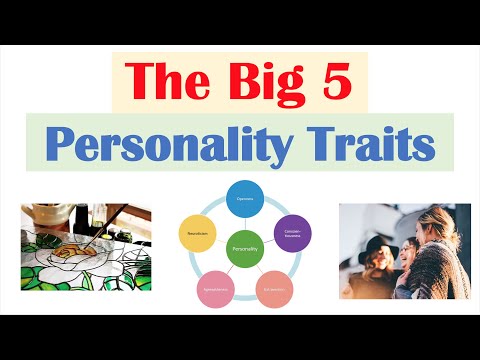
Another approach is the Big Five personality traits—openness, conscientiousness, extraversion, agreeableness, and neuroticism. Think of them as sliding scales; most people will fall somewhere on each scale rather than at one extreme or another. So if someone scores high on agreeableness, they’re likely more cooperative and compassionate—make sense?
But hey! Don’t get too caught up in boxes and labels. People are complex beings with layers like an onion… or maybe a parfait? The thing is, while these models can guide us in understanding behaviors better, they don’t define us completely.
In everyday life, being aware of these personality patterns can help improve communication and reduce misunderstandings with others. For instance, if you know your buddy tends to withdraw during tough times because they’re an introvert (like my friend from earlier), then giving them space might be the best move until they’re ready to talk.
At the end of day though? We’re all just human—a beautiful mess juggling emotions and actions that make us unique! It’s kinda comforting when you think about it; this shared experience connects us all through our quirks and differences alike. So next time you’re scratching your head about someone’s behavior? Just remember: they might just be expressing their personality pattern in their own special way!