You know what’s wild? How each of us is so different, right? Like, some people are totally outgoing, while others just want to chill at home with a book.
Este blog ofrece contenido únicamente con fines informativos, educativos y de reflexión. La información publicada no constituye consejo médico, psicológico ni psiquiátrico, y no sustituye la evaluación, el diagnóstico, el tratamiento ni la orientación individual de un profesional debidamente acreditado. Si crees que puedes estar atravesando un problema psicológico o de salud, consulta cuanto antes con un profesional certificado antes de tomar cualquier decisión importante sobre tu bienestar. No te automediques ni inicies, suspendas o modifiques medicamentos, terapias o tratamientos por tu cuenta. Aunque intentamos que la información sea útil y precisa, no garantizamos que esté completa, actualizada o que sea adecuada. El uso de este contenido es bajo tu propia responsabilidad y su lectura no crea una relación profesional, clínica ni terapéutica con el autor o con este sitio web.
So what makes us tick? Seriously, what shapes our quirks and habits?
It’s like a crazy puzzle of personality. There’s nature, right? And then there’s nurture too.
We’re gonna break down how all these factors—genetics, upbringing, life experiences—play into who we are. It’s pretty fascinating stuff! Can’t wait to get into it with you!
Key Factors Influencing Personality Behavior: A Comprehensive Guide
Personality is like the unique recipe that makes you, well, you! It’s influenced by tons of things, from your genes to your environment. So, let’s break down some key stuff that shapes personality behavior. Grab a comfy seat, we’re diving in!
- Genetics: You aren’t a blank slate at birth—your genes play a big role! Think of it like inheriting those quirky traits from your parents. Maybe you got dad’s love for adventure or mom’s knack for problem-solving. Studies suggest that about 30-50% of your personality can be traced back to genetic factors.
- Environment: This is where things get interesting. Your surroundings can shape who you become over time. Maybe you grew up in a calm neighborhood where everyone looked out for each other—that might make you more trusting and friendly. On the flip side, growing up in a stressful area could make someone more cautious or defensive.
- Life Experiences: These are like the chapters in your personal book. Every thrill, heartache, achievement, and disappointment adds color to how you see the world. For instance, if you’ve faced setbacks but learned resilience from them, that tough experience might make you more optimistic overall.
- Culture: The cultural background shapes how we think and act too! If you’re raised in a collectivist culture where community is prioritized, you might find yourself putting others’ needs before your own or valuing teamwork over individual success.
- Social Relationships: Seriously—who you’re around affects how you behave! Friends can influence everything from your hobbies to your attitudes toward life. If you’re hanging out with optimistic people who encourage risk-taking (think about players in team-based video games), chances are you’ll adopt some of those traits yourself.
- Education: School isn’t just about grades; it’s also about character development! The way teachers approach learning and encourage curiosity can impact whether you’re more open-minded or reserved later on in life.
- Trauma and Stress: Look, there’s no sugarcoating this one—traumatic events can leave deep marks on personality. Someone who has been through tough times might develop anxiety or distrustful tendencies. But it’s important to note—it doesn’t define them forever; healing and growth are always possible!
- Genetic vs Environment Interaction: It’s not just one factor at play here; rather it’s often the dance between what you’re born with and what happens around you that creates who you are today!
The cool thing is that all these factors work together in complex ways to form different personalities. There’s no one-size-fits-all mold—what shapes me could look totally different for someone else.
Let me share this quick story: I have this friend who was super shy growing up because he moved around a lot as a child. He felt constantly out of place until he found his tribe—an awesome group of friends who loved playing cooperative games online together! That social bonding helped him come out of his shell big time! It shows how relationships can really flip the script on our personalities.
Remember though—if you’re ever feeling really stuck or if all this talk has stirred up some heavy feelings for ya, don’t hesitate to reach out for help from professionals who know their stuff.
So yeah, personality isn’t just some neat label; it’s an ongoing story influenced by so many things throughout life! Exciting, right?
Understanding the 5 Key Factors of Personality: A Comprehensive Guide
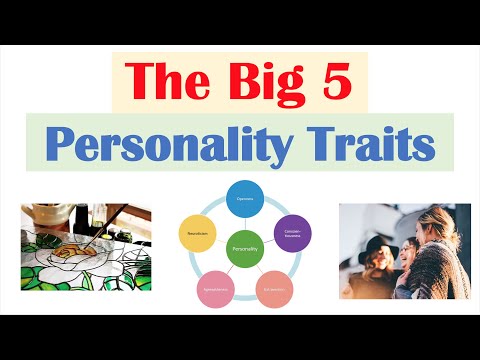
So, let’s talk about personality. You know how some people are more chill while others are super energetic? Well, there’s a lot more going on under the hood defining who we are and how we behave. Five key factors make up what psychologists call the Big Five Personality Traits. These traits can give us insight into why people act the way they do, and let me tell you— it gets pretty interesting!
- Openness to Experience: This trait is all about how open-minded someone is. If you’re high in openness, you probably love trying new things like exotic foods or daring hobbies. Some folks might not get why you’re so excited about that stuff, but hey, it’s all good! Imagine a character in a game who’s always exploring new lands or new strategies— that adventurous spirit? That’s high openness for you!
- Conscientiousness: Think of conscientiousness as your inner planner. This trait describes how organized and responsible someone is. People high in this area tend to be detail-oriented, so they might write lists or keep their rooms super tidy. On the flip side, if you’re lower in conscientiousness, maybe you’re more laid-back about deadlines or chores— totally normal! Like a player who rushes through levels without worrying too much about collecting all the loot.
- Extraversion: Here we have the social butterflies of the world! Extraversion measures how much someone enjoys being around others. If you’re an extrovert, parties might sound like heaven; if you’re introverted, they could be overwhelming. Picture your gaming buddy who’s always ready for co-op modes versus one who prefers solo quests— that’s kind of what extraversion looks like!
- Agreeableness: This is all about being friendly and compassionate toward others versus being competitive or even a bit antagonistic. High agreeableness often means you’d rather help others than argue with them; think of a character who’s always willing to lend their sword (or advice) to fellow players rather than hogging all the glory.
- Neuroticism: Last but not least is neuroticism, which refers to emotional stability and how prone someone is to anxiety or mood swings. Someone with higher neuroticism may feel stress more intensely; they’re often worried or sadder than others without it. Imagine in a game when characters get rattled by every little setback— that level of reaction? That could be low neuroticism!
So what does all this mean for daily life? Well, understanding these traits can help us relate better to each other and ourselves! For example, if you realize your friend is low on conscientiousness but high on extraversion, you might plan activities with less structure that appeal to their spontaneous side.
But remember! While these traits offer insight into behaviors and preferences, personality isn’t set in stone; people can grow and change over time through experiences and choices they make.
All in all, human behavior is complex but fascinating! Whether it’s playing games together or just chatting with friends over coffee—all those little quirks come together to shape our experiences with one another.
Please keep in mind that learning about personality can be enlightening but it doesn’t replace professional help if you need support with mental health matters!
Understanding the 4 Key Factors That Influence Human Behavior
Human behavior is like a puzzle, and figuring it out can be a bit tricky. But hey, let’s break it down together! There are four key factors that really shape how we act and react. They’re like the ingredients in your favorite recipe, each one adding its own flavor to the mix.
- Biological Influences: So, first up we have biology. This includes everything from your genes to brain chemistry. For instance, neurotransmitters like dopamine and serotonin play big roles in mood regulation. If you’re feeling off, it might just be your body’s chemistry talking! I remember my buddy Alex always getting cranky when he skipped breakfast—turns out his blood sugar dipped too low for his brain to function right!
- Psychological Influences: Next is what’s going on in our minds—thoughts, feelings, motivations. Ever notice how your mood can change how you see things? Like when you lose a game of FIFA? You might get frustrated and lash out. Or maybe you try to brush it off with humor because you’ve learned this helps keep things light. That’s your psychological influence at work!
- Social Influences: And then there’s social stuff. This includes culture, family, friends—basically anyone around us that shapes who we are! For example, if your friends are supportive and encouraging, you’re likely to feel more confident about trying new things. On the flip side, if they’re negative or judgmental? Well, that can really bring you down.
- Environmental Influences: Lastly but not leastly (is that even a word?), we have environmental influences. This refers to everything from our physical surroundings to life experiences. You know how playing outside can make you feel more alive? Well living in a chaotic environment might lead to stress or anxiety—pretty different vibes there!
The bottom line is these factors interact with each other constantly—you could say they’re dancing together! Understanding them better can help explain why people behave the way they do.
Of course, it’s super important to remember that everyone’s experience is unique! What influences one person might not affect another the same way. And if you ever feel overwhelmed by emotions or behaviors you don’t understand? Don’t hesitate to reach out for professional help; sometimes everyone needs a little guidance.
So there you go! Four key factors influencing human behavior that make up this wild ride we call life.
You know, when we think about personality, it’s kind of mind-blowing how many things shape who we are. I mean, think about it — you’re not just a product of your genes or your upbringing; it’s a whole mix. I remember chatting with my friend Emma about her quirky sense of humor. She told me that growing up in a big family made her use humor to stand out. Isn’t that interesting? It’s like her environment sculpted a part of her personality.
So let’s dig into some key players in this personality game. First off, genetics play a role, right? You might have traits passed down from your parents that make you more extroverted or maybe more introverted. But here’s the kicker: it doesn’t stop there! Just because you’re born with certain tendencies doesn’t mean you’re locked into them for life.
Then there’s the whole nurture thing. Our surroundings, experiences, and relationships seriously shape how we express our personalities. Take the example of childhood experiences: if you faced challenges early on, like bullying or moving schools often, those experiences can create layers in your personality — trust issues or resilience. And let me tell you, that stuff sticks with you!
Social influences are huge too! You probably notice how different groups bring out different parts of yourself. When you’re hanging with friends who love adventure, suddenly you’re the one suggesting crazy road trips! But put you in a book club and maybe you turn into the thoughtful philosopher type.
Life experiences can also change things over time — heartbreaks, achievements, or even random spontaneous moments can shift how we view ourselves and others. Like when I took my first solo trip; it totally expanded my horizons and helped me see myself in a new light.
And hey, culture matters big time too! The values and expectations of where we grow up can influence our traits as well. For instance, some cultures might emphasize community and collectivism while others push individualism and independence.
So yeah, all these factors mix together like ingredients in a recipe to make each person’s unique flavor — just like how Emma’s humor was seasoned by her family dynamics. It’s wild when you think about how someone could be shaped by so many layers; it really gives depth to understanding ourselves and others.
In the end though, while these influences help define us they don’t confine us — we’ve got the power to grow and change whenever we want! Isn’t that empowering?