You know what’s super interesting? How much our social and emotional skills shape our lives. Seriously, think about it.
Este blog ofrece contenido únicamente con fines informativos, educativos y de reflexión. La información publicada no constituye consejo médico, psicológico ni psiquiátrico, y no sustituye la evaluación, el diagnóstico, el tratamiento ni la orientación individual de un profesional debidamente acreditado. Si crees que puedes estar atravesando un problema psicológico o de salud, consulta cuanto antes con un profesional certificado antes de tomar cualquier decisión importante sobre tu bienestar. No te automediques ni inicies, suspendas o modifiques medicamentos, terapias o tratamientos por tu cuenta. Aunque intentamos que la información sea útil y precisa, no garantizamos que esté completa, actualizada o que sea adecuada. El uso de este contenido es bajo tu propia responsabilidad y su lectura no crea una relación profesional, clínica ni terapéutica con el autor o con este sitio web.
It’s not just about getting good grades or landing that dream job. It’s about connecting with people, feeling understood, and even managing your feelings when the world feels a bit chaotic.
Remember that time when you felt totally out of place at a party? Or maybe you had a rough day and just needed someone to get where you were coming from? Those moments matter!
Building social and emotional competence can make a world of difference. It helps you navigate relationships better, whether it’s with friends, family, or coworkers.
So let’s chat about this!
Understanding the 5 C’s of Social Emotional Learning: Key Elements for Development
Social Emotional Learning (SEL) is all about building the skills you need to understand yourself and connect with others. There are these cool 5 C’s that help shape how we develop social and emotional competence. Let’s break them down, shall we?
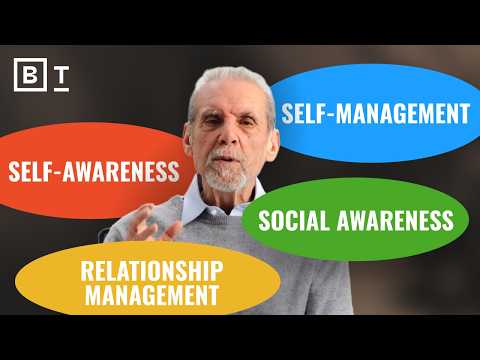
1. Self-Awareness
You gotta know yourself, right? Self-awareness means recognizing your emotions and how they influence your behavior. Imagine you’re about to play a game, but you suddenly get super anxious. If you can spot that feeling, it helps you figure out how to deal with it—maybe taking a few deep breaths before diving in.
2. Self-Management
Once you’re aware of what you’re feeling, it’s time to manage those feelings. This is like having control over your inner reactions. If, say, you lose a board game and start feeling frustrated, self-management helps you choose between throwing the dice or just having fun regardless of winning or losing.
3. Social Awareness
Here’s where it gets interesting! Social awareness is about understanding the feelings of others and recognizing social cues. Think about playing outside with friends; knowing when someone feels left out can help you invite them to join or comfort them if they seem sad.
4. Relationship Skills
These skills are essential for making connections and maintaining friendships! It includes communicating clearly, resolving conflicts peacefully, and showing empathy toward others. For example, if a friend feels upset because they didn’t get picked for a team in gym class, being able to talk things through can really strengthen your bond.
5. Responsible Decision-Making
Finally, this one’s all about thinking before you act! Making responsible choices involves considering the consequences of your actions on yourself and on others too. Like if you’re deciding whether to share a video game or keep it for yourself—thinking through how that affects your friendship can lead to better decisions.
Each of these elements plays a huge role in developing social emotional competence that leads to success in life—both personally and professionally! Remember though: while this information can help boost your understanding of emotions, it’s not meant as a substitute for professional help if needed.
So there you have it—the 5 C’s of SEL! Understanding these key elements creates brighter connections with yourself and the people around you while navigating life’s ups and downs much easier!
Understanding the 5 Core Social Emotional Competencies: A Comprehensive Guide
Social emotional skills are super important for navigating life, right? They help us build strong relationships, manage our feelings, and handle challenges. Let’s break down the **5 core social emotional competencies** that can seriously boost your success in life.
1. Self-Awareness
This is all about knowing your own feelings and how they affect your behavior. Imagine you’re playing a video game and suddenly lose a match; you might feel frustrated. Being self-aware helps you recognize that frustration, maybe make sense of it, and figure out if you need to take a break or change your strategy.
2. Self-Management
Once you’ve got self-awareness down, it’s time for self-management. This skill involves controlling your emotions and behaviors in different situations. Say you’re working on a big project, and stress starts creeping in—being able to manage that stress will help you stay focused instead of freaking out or procrastinating.
3. Social Awareness
Social awareness is kind of like having a radar for other people’s feelings. You know how sometimes you walk into a room and can just tell something’s off? That’s social awareness! It helps you connect with others by understanding their emotions and perspectives. For instance, if a friend looks sad during game night, being socially aware lets you ask them what’s wrong instead of just continuing with the game.
4. Relationship Skills
These skills are vital for building positive connections with others. It includes things like communication, teamwork, and even conflict resolution. Picture working on a school project with classmates; good relationship skills mean sharing ideas openly as well as helping solve any disagreements calmly without drama.
5. Responsible Decision-Making
Last but not least is responsible decision-making! This is about making choices that are ethical, constructive, and respectful to yourself as well as others around you. Maybe you’ve got a choice between going out with friends or finishing an important assignment—responsible decision-making would steer you toward what aligns best with your goals while keeping friendships intact.
All of these competencies are interconnected; they work together like pieces of a puzzle to help improve how we interact with ourselves and the world around us.
It’s also pretty cool to see how these skills can be honed through activities! Ever play cooperative games where communication is key? Those can actually be great practice for enhancing relationship skills while also having fun!
Remember though: if you’re feeling stuck or overwhelmed in any area of emotional or social competency, reaching out for professional help from someone who knows their stuff can make all the difference! You’re definitely not alone in this journey.
Understanding the 5 C’s of Emotional Intelligence: A Clear Guide to Enhancing Your Interpersonal Skills
Emotional intelligence is like the secret sauce in our human interactions. You know, the thing that helps you connect with others, manage stress, and make better decisions? It’s all about understanding your feelings and those of people around you. So, let’s unravel the 5 C’s of emotional intelligence—this will give you some cool tools to improve those interpersonal skills!
1. Critical Thinking
This is all about analyzing situations logically. Think of it like playing chess. Every move matters, right? You want to look a few steps ahead and think through consequences before acting. When emotions are high, take a step back and assess what’s really happening. Are you reacting or responding? Taking that moment can change everything.
2. Communication
Effective communication isn’t just about talking; it’s about listening too! Seriously, imagine a game where you’re only shouting your moves without hearing what others have to say—chaos! Good communicators express their thoughts clearly but also pay attention to non-verbal cues like body language and tone. Practicing active listening can help build trust and deeper connections.
3. Collaboration
Working well with others is key for success in both personal and professional settings. It’s like being in a band—everyone has their role! You need to understand where your strengths lie while appreciating the talents of others. When collaborating, focus on creating a positive environment where everyone feels valued.
4. Conflict Resolution
Conflict happens; it’s part of life, right? What defines us is how we deal with it! Instead of avoiding conflict or letting it escalate, embrace it as an opportunity for growth. Think of video games: sometimes you face tough bosses (a.k.a conflicts) that teach you new strategies when you finally beat them. Address issues calmly and seek solutions that work for everyone involved.
5. Compassion
Finally, compassion is your ability to empathize with others’ feelings and experiences. It’s about seeing things from their perspective—ever played a game where you needed to understand the other player’s strategy? In life, being compassionate means offering support when someone needs it; even just a kind word can make all the difference.
All in all, these 5 C’s form a powerful toolkit for enhancing social and emotional competence in any setting!
Remember though: this isn’t professional advice—it’s all about building skills over time in our everyday lives! If ever you’re feeling lost or overwhelmed by emotions or relationships, seeking guidance from a pro can provide valuable support as well.
So now go out there and flex those emotional muscles—you got this!
Okay, so let’s chat about social and emotional competence. It’s one of those fancy terms that can make it sound like you need a PhD to understand it, but really, it’s all about how we get along with ourselves and others. You know what I mean? It’s the stuff that helps you navigate life a little better.
Imagine you’re at a party, and there’s this moment where someone cracks a joke that makes everyone laugh—except one person in the corner who looks kind of uncomfortable. Now, if you have good social competence, you might pick up on that. You might go over, check in with them, and help them feel included. That’s emotional intelligence at work! And honestly, it doesn’t take much; just being aware of how people around you are feeling can change the vibe completely.
I remember once I got invited to this big gathering. I was super nervous because I didn’t know anyone there. But then I spotted an old friend who seemed equally lost. We ended up chatting about how awkward we both felt, which totally broke the ice! It was our mutual recognition of discomfort that helped us connect and enjoy the party together after all.
Building these skills isn’t just about being nice or friendly; it actually contributes to success in many areas of life—whether it’s at work or in personal relationships. People who can read emotions better tend to form stronger bonds and often find themselves leading teams or managing conflicts more effectively.
So here’s the deal—cultivating social and emotional skills isn’t just for kids in school; it applies to all stages of life! Think empathy, active listening, patience…all those warm fuzzies that help us relate better to one another. If everyone could take a little time each day to work on understanding their own feelings and those of others? Wow! The world would look so different!
At the end of the day, improving these competencies is like sharpening tools in your toolbox—they’re essential for building relationships and achieving goals. So next time you’re feeling anxious about connecting with someone or navigating an emotional situation, remember: you’re not alone—and sometimes just taking a second to breathe and check-in can make all the difference!