Alright, so let’s chat about something that’s on everyone’s mind – personality. You know, that thing that makes you totally you?
Este blog ofrece contenido únicamente con fines informativos, educativos y de reflexión. La información publicada no constituye consejo médico, psicológico ni psiquiátrico, y no sustituye la evaluación, el diagnóstico, el tratamiento ni la orientación individual de un profesional debidamente acreditado. Si crees que puedes estar atravesando un problema psicológico o de salud, consulta cuanto antes con un profesional certificado antes de tomar cualquier decisión importante sobre tu bienestar. No te automediques ni inicies, suspendas o modifiques medicamentos, terapias o tratamientos por tu cuenta. Aunque intentamos que la información sea útil y precisa, no garantizamos que esté completa, actualizada o que sea adecuada. El uso de este contenido es bajo tu propia responsabilidad y su lectura no crea una relación profesional, clínica ni terapéutica con el autor o con este sitio web.
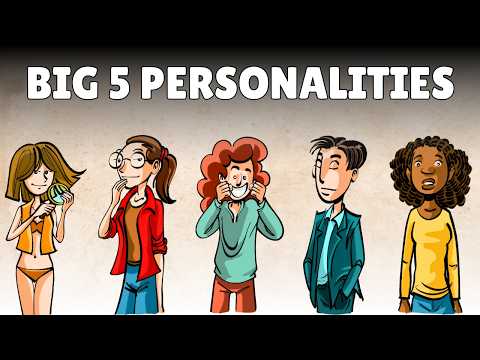
There’s this cool framework called the Big 5 Traits. It’s like a secret code for understanding why you vibe with some folks and not others.
Picture this: one day, you’re just chilling, and someone opens up about their feelings while another friend is cracking jokes. Both are super different, right?
But they both fit into these five traits! Isn’t that wild? Let’s break it down together!
Understanding the Five Dimensions of the Five-Factor Model of Personality
You know, personality is such a fascinating area to dive into. One popular way to think about it is through the **Five-Factor Model of Personality**, commonly known as the Big Five. So, what are these five dimensions? Let’s break them down together.
1. Openness to Experience
This dimension talks about how open-minded and imaginative you are. People high in this trait tend to enjoy new experiences and appreciate art and adventure. Think of a friend who loves trying new foods or traveling to different countries: that’s openness in action! On the flip side, someone low in this area might prefer routine and the familiar, like sticking to their favorite restaurant for years.
2. Conscientiousness
Next up is conscientiousness, which is all about how organized and responsible you are. High scorers tend to be reliable, hard-working, and detail-oriented—like that friend who always keeps their workspace tidy or never misses a deadline. In contrast, those lower on this scale might be more spontaneous (think last-minute plans) and struggle with keeping things in order.
3. Extraversion
Then there’s extraversion, which most people recognize as being outgoing and social versus being reserved or shy. If you think of party animals versus wallflowers at a gathering, that’s extraversion for you! An extrovert thrives on social interaction—it’s like they get energy from being around others—while introverts often recharge by spending time alone or with just a few close friends.
4. Agreeableness
This one reflects how friendly or compassionate you are towards others. People who score high on agreeableness are typically trusting and cooperative; they’re the ones who lend a helping hand without expecting anything back. On the other hand, less agreeable folks might be more competitive or skeptical—think of someone who always wants to win an argument instead of finding common ground.
5. Neuroticism
Finally, there’s neuroticism, which indicates emotional stability versus emotional volatility. If you’re high in neuroticism, you might feel anxious or experience mood swings regularly—like when you’re worried before an important presentation at work or school. Low-scoring individuals tend to stay calm under pressure—you know that friend who never seems ruffled no matter what?
So why does this all matter? Well, understanding these dimensions can help improve your relationships with others—whether it’s friends, family, or coworkers—and even provide insight into your own behavior patterns.
And just a quick note here: while the Big Five model offers some neat insights into personality traits that shape us daily—you should keep in mind that it doesn’t cover every single aspect of human behavior or emotions.
So there it is! A friendly breakdown of the Five Dimensions of Personality within the Big Five framework—it’s pretty cool how much insight we can gain from understanding ourselves better!
Understanding the 5 Dimensions of the Big Five Personality Traits
Sure! So let’s chat about the Big Five personality traits, shall we? They’re like this cool framework that helps us understand what makes us tick. And trust me, it’s super interesting to see how these dimensions shape our behaviors and interactions. Think of them as five different lights illuminating various aspects of your personality.
Openness to Experience is the first dimension. This trait reflects how open-minded and curious you are about new experiences. People high in this trait often enjoy exploring new ideas, cultures, or cuisines—like trying sushi for the first time! On the flip side, someone low in openness might feel more comfortable sticking with what they know, enjoying routine over adventure.
Conscientiousness is all about being organized and dependable. If you’re the type who makes lists and plans ahead, you probably score high here. Imagine playing a strategy game where careful planning leads to success; that’s a conscientious mindset for you! But if you’re more spontaneous or laid-back about tasks, you might find yourself on the lower end of this scale.
Next up is Extraversion. This trait tells us how energized you feel from social interaction. Extraverts are usually bubbly and enjoy being around people—a bit like that friend who thrives at parties. Introverts, meanwhile, get their energy from solitude; think of them as players who prefer solo campaigns over multiplayer ones in video games.
Now let’s talk about Agreeableness. This dimension relates to how compassionate and cooperative you are towards others. High agreeableness means you’re likely empathetic—like when your friend is feeling down and you’re right there with a listening ear or some comforting snacks! If you’re less agreeable, it might show up as being competitive or somewhat skeptical of others’ intentions.
Finally, we have Neuroticism. This trait measures emotional stability versus instability. People high in neuroticism may experience anxiety more readily—they might stress over small things like forgetting to reply to a message. On the other hand, those low on this scale tend to handle stress better; they can roll with life’s punches pretty smoothly.
So here’s a quick recap of these traits:
- Openness to Experience: Willingness to try new things.
- Conscientiousness: Organization and dependability.
- Extraversion: Energy drawn from social interactions.
- Agreeableness: Compassionate and cooperative nature.
- Neuroticism: Emotional stability versus anxiety.
These dimensions don’t define who we are entirely but help paint a picture of our personalities. They can even influence choices we make—like careers or hobbies! It’s really fascinating stuff.
Remember though—it doesn’t replace professional help if you’re feeling off-kilter emotionally or mentally. Understanding ourselves better is just one piece of the puzzle! If you ever feel overwhelmed by these traits or life in general, reaching out for professional guidance might be a great idea.Nothing wrong with asking for support when we need it!
Understanding the Big Five Personality Test: Insights into Human Behavior and Traits
The Big Five Personality Test, often called the Five Factor Model, gives us a fascinating peek into who we are as individuals. You know, it’s like looking in a funhouse mirror that actually helps you understand yourself better instead of just showing you a distorted version of reality. Let’s break down these five traits and see what they’re all about.
Openness to Experience is the first biggie. It measures how open-minded you are when it comes to new ideas or experiences. If you’re someone who loves trying out new foods or traveling to unknown places, you probably score high on this one. Think of characters in video games who are always on quests for adventures—yeah, they’re likely high in openness!
Conscientiousness is all about being organized and dependable. If you remember that time you meticulously planned your friend’s birthday party down to the last detail? That’s conscientiousness shining through! People high in this trait tend to be more disciplined and good at setting goals.
Then there’s Extraversion. This trait reflects how outgoing and energetic you are. If you’re the life of the party or love chatting with strangers, congratulations! You’re likely scoring high here. It’s like being that character in multiplayer games who rallies everyone together for a raid—you thrive on social interaction.
Next up is Agreeableness. This one measures how friendly and compassionate you are toward others. If you’re known for helping friends with their problems or avoiding conflicts whenever possible, that’s agreeableness at work! Picture a supportive character in an RPG who always lends a hand—yep, that’s the vibe.
Lastly, we have Neuroticism. This trait evaluates emotional stability and how prone someone is to stress or anxiety. So if you’re someone who often feels overwhelmed or worries about things more than others do, your neuroticism score might be on the higher side. Like characters who get jittery during tense moments in stories—they just can’t help it!
So why does all this matter? Well, understanding these traits can improve your relationships, work dynamics, and even personal growth! It helps you recognize strengths and weaknesses within yourself and others too.
Here’s a quick recap of those key points:
- Openness: Creativity and willingness to try new experiences.
- Conscientiousness: Organization, diligence, and dependability.
- Extraversion: Outgoing nature and energy.
- Agreeableness: Compassionate behavior towards others.
- Neuroticism: Sensitivity to stress and emotional instability.
Remember though that these traits aren’t set in stone! You can grow or shift depending on various factors like experiences or personal development efforts!
In the end, it’s crucial to realize this test isn’t definitive nor should it replace professional help if you’re grappling with serious issues related to mental health. But hey! Knowing where you stand can be pretty cool for self-reflection—so give it a shot if you’re curious!
So, let’s chat about the Big Five personality traits. You might’ve heard of them, right? They’re kind of a big deal in psychology. Basically, this model breaks down personality into five dimensions: openness, conscientiousness, extraversion, agreeableness, and neuroticism.
Now, why should you care? Well, understanding these traits can give you some serious insights into yourself and how you interact with others. Imagine hanging out with a friend who’s super organized and detail-oriented. That’s someone high in conscientiousness! Or picture the life of the party—always chatting and laughing—that’s your extraverted buddy!
I remember this one time when I met a new group of friends. We were all so different; one was super laid-back (definitely lower on conscientiousness), while another seemed like they had a checklist for everything! It was eye-opening to see how our personalities shaped our hangouts. Like when we planned a road trip; it turned into an epic mix of adventures thanks to those high in openness but also some hilarious moments caused by forgetting snacks because someone else wasn’t quite as detail-oriented!
You see, each trait has its own flavor and can really impact your day-to-day life. Openness is all about creativity and curiosity; if you score high here, you’re probably down for trying weird foods or taking spontaneous trips! Neuroticism? That’s where things get interesting because it involves how emotional stability or instability affects you. A person who scores high might overthink every little thing—like stressing over that one awkward comment made last week.
And let’s not forget agreeableness—it’s pretty neat how those who score high are often more trusting and compassionate toward others; they just want to help people out! But hey, being too agreeable can lead to some issues too—like saying “yes” all the time even when you really want to say “no.”
Overall, these traits aren’t set in stone; they can shift depending on experiences and environments. Knowing where you fit on the scale can help improve your interactions with others or even guide personal growth.
So next time you’re meeting new people or reflecting on your own quirks, think about these traits as more than just categories—they’re like little windows into understanding yourself better! And honestly? Just knowing there’s a framework for what makes us tick is kind of comforting. You know what I mean?