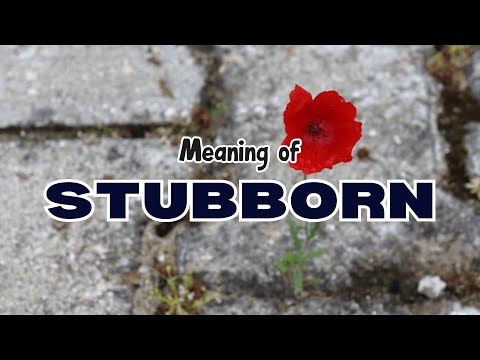
You know those moments when you just can’t budge? Like, you’ve made up your mind, and nothing’s gonna change it? That’s stubbornness for you.
Este blog ofrece contenido únicamente con fines informativos, educativos y de reflexión. La información publicada no constituye consejo médico, psicológico ni psiquiátrico, y no sustituye la evaluación, el diagnóstico, el tratamiento ni la orientación individual de un profesional debidamente acreditado. Si crees que puedes estar atravesando un problema psicológico o de salud, consulta cuanto antes con un profesional certificado antes de tomar cualquier decisión importante sobre tu bienestar. No te automediques ni inicies, suspendas o modifiques medicamentos, terapias o tratamientos por tu cuenta. Aunque intentamos que la información sea útil y precisa, no garantizamos que esté completa, actualizada o que sea adecuada. El uso de este contenido es bajo tu propia responsabilidad y su lectura no crea una relación profesional, clínica ni terapéutica con el autor o con este sitio web.
But what does it really mean? It’s kinda more than just being firm, right? I mean, every one of us has been stubborn at some point.
Whether it’s refusing to ask for directions or sticking to that old opinion you’ve had since forever. So let’s chat about what being stubborn really represents—beyond just a bad attitude, you know?
And who knows? You might find a little bit of yourself in it all!
Understanding Stubbornness: Recognizing It as a Red Flag in Relationships
Stubbornness is often viewed as a personality trait, but when it pops up in relationships, it can be more of a red flag than you might think. You know how some players in a game refuse to change their strategies, even when it’s clearly not working? Yep, that’s stubbornness for you—sticking to your guns even when there might be a better way.
So, what does stubbornness actually mean? It’s that unyielding attitude where someone is set on their opinion or decision, no matter what. A bit of stubbornness can be fine—it shows passion! But if someone is consistently inflexible or fights every suggestion like it’s a boss battle, that can create major friction.
In relationships, recognizing stubbornness as a potential issue is key. Here are some things to consider:
- Lack of Compromise: When one person always insists on doing things their way, it can wear down even the strongest bond.
- Poor Communication: If discussions turn into arguments because one person’s too set in their ways to listen, that’s not healthy.
- Emotional Distance: Stubbornness can create walls. If you’re constantly banging your head against the wall trying to get through to someone who won’t budge, you may start feeling isolated.
- Resentment Builds Up: Over time, resentment sprouts from unresolved conflicts caused by this stubborn streak. It’s like planting seeds of discord!
Think back to that time when you really wanted to check out that new restaurant with friends but one friend kept insisting on their favorite diner instead. At first, it seems small—a little quibble over food choices—but if this happens often and turns into an argument about where you spend your weekends? That could hint at deeper issues.
Recognizing and addressing stubborn behavior isn’t about blame; it’s about understanding the dynamics at play. If someone feels threatened or insecure in the relationship, they may cling tighter to their opinions as a way of protecting themselves. Crazy how our emotions work sometimes!
But before jumping into judgment or accusations—maybe offer your partner (or friend) a chance to explain why they feel so strongly about something. It might just be about comfort or fear of change rather than pure obstinacy.
In the end, if you find yourself dealing with significant amounts of stubborn behavior and it’s affecting your relationship negatively? It could be beneficial to talk through these patterns with someone—a therapist or counselor could lend some extra insight.
Just remember: everyone gets stuck in their ways from time to time and that’s completely normal! Understanding how these moments impact relationships can open doors for healthier communication and connection—even if means learning when it’s best just let go of needing to win every little argument.
Understanding the Simple Meaning of Stubbornness: Insights into Its Psychological Implications
Stubbornness is a trait that’s often thrown around in conversations, right? You know, when someone just won’t budge, even if it’s clear they should. It’s that feeling when you’re trying to convince a friend to try a new restaurant, but they insist on going to the same old place. So what does it really mean?
At its core, stubbornness usually refers to a firm adherence to one’s own ideas or opinions. People might see it as being inflexible or resistant to change. In psychology, this can actually point to deeper aspects of someone’s personality or emotional state.
- Need for Control: Stubborn individuals often have a strong desire for control over their surroundings and decisions. This need can stem from anxiety or past experiences where they felt powerless.
- Fear of Vulnerability: Sometimes, admitting you’re wrong can feel like opening yourself up to criticism. Stubbornness can be a defense mechanism against that vulnerability.
- Cognitive Dissonance: When confronted with new information that contradicts their beliefs, some people might double down on their original stance rather than face the discomfort of changing their minds.
You know what? I had a friend who would never admit he was bad at video games. Whenever we played Mario Kart, he’d insist his choice of character and track was the winning strategy—even when he kept coming in last! It wasn’t just about the game; it was his identity. His stubbornness made him feel secure in his choices.
Of course, stubbornness isn’t always bad! At times, it shows determination and commitment to your values—traits that can be incredibly admirable. But take note: there’s a fine line between healthy perseverance and being overly unyielding.
In conflicts—like those usual debates with friends—it’s vital to recognize if rigid attitudes are harming relationships or preventing growth. It’s okay to hold your ground sometimes but consider the benefits of flexibility too.
If you ever find yourself struggling with feelings surrounding stubborn behavior—whether it’s yours or from someone close—it might be worth chatting with someone who can provide support like a therapist or counselor.
Takeaway? Stubbornness is more than just being difficult; it often roots back into something deeper within us all. Whether it’s fear or simply wanting control in our lives, understanding this trait helps us navigate our relationships and foster healthier communication overall.
Exploring Synonyms for ‘Stubborn’: Understanding Related Traits and Their Psychological Insights
Stubbornness is often seen as a double-edged sword. On one hand, it can drive people to achieve their goals, but on the other hand, it can lead to conflicts and rigidity in thinking. So, let’s take a closer look at what being stubborn really means and some synonyms that may help explain this complex trait.
Defining Stubborn: At its core, stubbornness refers to an unwillingness to change one’s mind or course of action. It’s that adamant belief in your choices even when others might see a better path. This is not just a simple matter of being hard-headed; it’s tied closely to personality traits like determination and resilience.
- Tenacity: This is like stubbornness with a touch of positivity. A tenacious person won’t give up easily. They will keep pushing toward their goals regardless of the obstacles they face.
- Persistence: Similar to tenacity, persistence is about continuing a particular effort despite difficulties. Think about someone training for a marathon; persistence keeps them lacing up their shoes day after day.
- Obstinacy: Now we’re venturing into slightly less favorable territory. Obstinate folks can be inflexible, refusing to consider alternative viewpoints or solutions.
- A doggedness: This describes someone who pursues their objective with relentless focus. They’re like a dog with a bone—can’t let go!
- Inflexibility:This is where things get tricky. Inflexible people can struggle in social situations because they might not adapt well when plans change or when new information comes their way.
Understanding these traits can give you insight into why certain people seem so set in their ways. For instance, I once played a group board game where one friend absolutely refused to change strategies—even when losing! Their stubbornness transformed the game into something more challenging but also less fun for everyone else involved.
Now, let’s talk about the psychological side of stubbornness—why do some people tend to be more rigid than others? Well, personalities shaped by genetics or early experiences could play significant roles here. Sometimes being stubborn stems from past experiences where sticking to one’s guns led to positive outcomes.
But here’s the deal: while all these traits can sometimes be helpful, they might also lead you down tricky paths if taken too far! If you find yourself constantly bumping heads with friends or colleagues because of your inflexibility? That might be worth reflection.
In the end, understanding synonymous traits related to stubbornness not only helps clarify our own behaviors but can also improve communication with others who show these tendencies too! So next time you encounter someone who seems really stuck on their ways—remember that stubbornness isn’t just about being difficult; it carries layers of meaning shaped by personality and experience.
Just remember that if you feel overwhelmed by online discussions surrounding these traits—or if your relationships are suffering because of them—it’s cool to reach out for professional help anytime! You don’t have to navigate this alone!
You know, stubbornness gets a pretty bad rap sometimes. People often think of it as just being stiff-necked or difficult, right? But it’s like, wait a minute! There’s more to it than just that. When you dig a little deeper, stubbornness can actually come from a place of passion and conviction.
I remember this one time when I was totally convinced I was right about a movie plot twist. My friend insisted I was wrong, and honestly, we went back and forth for what felt like hours! In the end, I looked it up—guess what? I was wrong. But you know what? Sticking to my guns in that moment felt oddly satisfying. It wasn’t just about the movie; it was about standing up for what I believed in.
So let’s break down this whole «stubborn» thing. At its core, being stubborn isn’t just about resisting change or being inflexible. It can also mean holding onto your beliefs tightly because they matter to you—like your values or experiences. Seriously, think about all those times you felt super passionate about something! That passion can sometimes manifest as stubbornness.
Of course, there’s a limit to how much stubbornness is healthy. If you’re too stuck in your ways, you might miss out on great opportunities or even strain relationships with those around you. The trick is finding that balance between standing firm and knowing when to bend a little.
And let me tell you—the world often rewards so-called «stubborn» people who stand up for their beliefs. You see activists and change-makers who refuse to back down even when the odds are against them! They show us that sometimes stubbornness can be the driving force behind progress.
So yeah, while it’s easy to roll your eyes at someone being “stubborn,” take a second to consider where they’re coming from. Maybe they’re just really passionate about something important to them—or maybe they’re just trying not to look silly after defending their favorite movie plot twist for too long! Either way, there’s often more beneath the surface than we first see.


