You know, personality is such a wild ride. One day you’re feeling all bubbly and social, the next you’re in your cozy corner with a book. Seriously, what gives?
Este blog ofrece contenido únicamente con fines informativos, educativos y de reflexión. La información publicada no constituye consejo médico, psicológico ni psiquiátrico, y no sustituye la evaluación, el diagnóstico, el tratamiento ni la orientación individual de un profesional debidamente acreditado. Si crees que puedes estar atravesando un problema psicológico o de salud, consulta cuanto antes con un profesional certificado antes de tomar cualquier decisión importante sobre tu bienestar. No te automediques ni inicies, suspendas o modifiques medicamentos, terapias o tratamientos por tu cuenta. Aunque intentamos que la información sea útil y precisa, no garantizamos que esté completa, actualizada o que sea adecuada. El uso de este contenido es bajo tu propia responsabilidad y su lectura no crea una relación profesional, clínica ni terapéutica con el autor o con este sitio web.
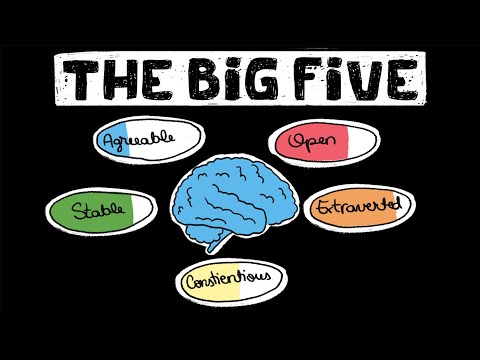
Well, it turns out there’s this cool way to break down our personalities using the Big 5 dimensions. You’ve probably heard of them: openness, conscientiousness, extraversion, agreeableness, and neuroticism.
Each one plays a role in how we think, feel, and behave. It’s like tuning into different radio stations of our minds!
This isn’t just for psych majors or nerdy textbook readers; it’s for anyone curious about themselves or others. So let’s unpack these dimensions together! You ready?
The Rarest Big 5 Personality Trait: Understanding Its Significance and Characteristics
Alright, let’s chat about the Big 5 personality traits! You might have heard of these guys before. They’re like the five main flavors of your personality ice cream. Each trait gives you a glimpse into how you tick and interact with the world. But here’s where it gets interesting: one of these traits is kind of like an elusive Pokémon – rare and hard to find!
The Big 5 traits include:
- Openness: This is all about creativity and willingness to try new things.
- Conscientiousness: This covers being organized, reliable, and self-disciplined.
- Extraversion: This one deals with sociability, enthusiasm, and energy from social interactions.
- Agreeableness: It reflects how friendly and compassionate you are towards others.
- Neuroticism: This measures emotional stability, or how often you feel anxious or moody.
Now, when we talk about the rarest trait in general across populations, it tends to be **Openness**. Some studies show that not everyone has high levels of this trait—maybe because it involves exploring new ideas and experiences. It might be more common in artists or people who love adventure. You know that friend who’s always trying out new foods or planning spontaneous trips? Yep, they’re probably scoring high on Openness.
But why does this matter? Well, having a high level of Openness can lead to some pretty cool characteristics:
- Cognitive Flexibility: Open individuals are adaptable thinkers; they can see situations from multiple angles.
- Creative Problem Solving: These folks are often full of ideas! They think outside the box—like finding innovative solutions in a tricky game scenario.
- A Broader Range of Interests: People high in Openness will likely enjoy various hobbies—like painting one day and rock climbing the next!
Let me share a quick story. I once met a guy named Sam at a cafe who was diving into philosophy books while sketching people around him. He was super chatty about his travels across Europe. I could tell he was high in Openness just by how excited he was to share diverse ideas! He had an infectious energy that drew people in.
So why do researchers care? Understanding this rare Big 5 trait helps psychologists predict certain behaviors. People who score lower on Openness may prefer routine instead of spontaneity; they might hesitate before jumping into something unfamiliar (like trying out that weird sushi roll).
But here’s the catch: everyone’s different! High Openness doesn’t make someone better or worse; it just means they approach life differently than others do.
And remember: if you find yourself struggling with personality-related challenges or any emotional issues, chatting with a professional can offer tailored guidance that goes deeper than just understanding these traits.
So there you have it—a peek into one fascinating aspect of personality psychology! Hopefully this little talk helps clear up what makes that rare “Openness” trait so special among the Big 5 dimensions.
Understanding Why the Big 5 Personality Model Outperforms MBTI in Psychological Assessment
The Big 5 Personality Model and the MBTI (Myers-Briggs Type Indicator) are two popular ways of looking at human personality. But when it comes to psychological assessment, the Big 5 often pulls ahead. So, let’s break this down in a way that makes sense.
First up, the **Big 5 Personality Model** is built around five core dimensions:
- Openness – This is all about creativity and open-mindedness. If you’re someone who loves trying new things and embraces change, you’re probably high in openness.
- Conscientiousness – Think of this as being organized and responsible. People who score high on this trait are usually good at planning ahead.
- Extraversion – Are you the life of the party or more reserved? Extraverts love socializing and being around others, while introverts often recharge alone.
- Agreeableness – This measures how friendly and compassionate you are towards others. High scorers tend to be trusting and helpful.
- Neuroticism – This trait revolves around emotional stability. High neuroticism can mean more anxiety or moodiness, while low neuroticism reflects calmness.
Now, what about MBTI? It divides people into 16 personality types based on four dichotomies (like thinking vs. feeling). Cool concept, right? But here’s where it stumbles: it can feel a bit too rigid. You might find yourself boxed into a certain type without much room for nuance.
For example, let’s say you’re an “ENFP.” You might feel like “I’m not always that spontaneous,” but MBTI doesn’t really account for those nuances well. The Big 5 gives you a score on each dimension instead of pigeonholing you into one type.
Another reason the Big 5 tends to outperform MBTI relates to its empirical backing. Research shows that the Big 5 correlates strongly with real-world outcomes—like job performance or relationship satisfaction—while MBTI lacks that solid ground in scientific validation.
And here’s something interesting! Think about your favorite video game characters: some are super outgoing like Mario (high extraversion), while others are more introspective like Link (high openness). The designs of these characters can reflect traits from the Big 5 model quite neatly!
Moreover, the Big 5 is easier to assess in research settings because it uses straightforward questionnaires that provide clear results without confusion over labels.
In general terms, if someone says they’re “an extroverted thinker,” what does that even mean? The language gets bulky with MBTI when trying to describe someone’s personality comprehensively. On the flip side, saying someone scores high on extraversion provides immediate clarity.
But hey! This doesn’t mean MBTI should be totally tossed aside; many find it fun for self-discovery or team-building activities. Just remember that it’s not as robust as its counterpart when you’re digging deeper into personality psychology.
To wrap things up—both models have their place in casual conversations about personality, but when weighing them against each other scientifically? The evidence backs up big time on the importance of understanding those five facets regarding actual behavior and personality nuances.
So there you have it! Whether you’re team Big 5 or enjoying your time with MBTI at parties, just keep in mind these tools aren’t replacements for professional help if you’re diving into serious self-exploration or mental health matters!
Understanding the Big Five Personality Test: A Comprehensive Guide to Personality Traits and Assessment
The Big Five Personality Test is like a map of who you are. It breaks down your personality into five key traits, making it easier to understand yourself and others. These traits have become a big deal in psychology because they give you valuable insights into how people think, feel, and behave.
- Openness to Experience: This trait is all about how willing you are to embrace new ideas and experiences. If you’re open, you probably love exploring different cultures, trying new foods, or diving into creative hobbies like painting or writing. Think about that friend who’s always suggesting a new restaurant or bringing along the latest indie film.
- Conscientiousness: This dimension relates to your level of organization and dependability. High scores here mean you’re likely structured and responsible—maybe the type who keeps a detailed planner or never misses deadlines. On the flip side, low conscientiousness might mean you’re more laid-back or spontaneous; perhaps you’d rather go on an unplanned trip than stick to a rigid schedule.
- Extraversion: Do you get energized by social gatherings? If yes, you’re probably high in extraversion! This trait measures how outgoing and sociable you are. Extraverts often thrive in group settings—think of that person at parties who’s always the center of attention. Introverts, however, might feel drained after too much social interaction and prefer one-on-one conversations.
- Agreeableness: This one focuses on how friendly and compassionate you are toward others. High agreeableness means you’re warm and cooperative; maybe you’re the friend who’s always there to lend an ear or help out when needed. Lower agreeableness could mean you’re more competitive or skeptical—like that game player who isn’t afraid to make bold moves!
- Neuroticism: Here’s where it gets emotional! This trait measures your emotional stability; those scoring high may experience mood swings and anxiety more frequently. So if you find yourself worrying a lot over small issues (like losing a game), this might resonate with you! On the other hand, low neuroticism suggests resilience—you probably handle stress like a champ.
Now that you’ve got the basic rundown of each trait, it’s worth mentioning how these dimensions can interact with each other. For example, someone high in extraversion but low in neuroticism might be that carefree soul at parties; while someone conscientious may focus on planning but lacks spontaneity if they score low in openness.
A fun way to get engaged with this concept is through games! Ever played an RPG? Think about how character traits can influence gameplay—your choices often stem from these core personality dimensions!
Remember though: while understanding these traits can offer insight into our behaviors and motivations, it doesn’t replace professional advice for deeper mental health issues. If you’re feeling overwhelmed by life’s demands or struggling with anxiety, reaching out for help is totally okay.
So next time you’re curious about why people act as they do—or maybe why YOU act a certain way—consider taking a closer look at the Big Five Personality Test! It’s like holding up a mirror to your personality; pretty cool idea if you ask me!
You know, personality is such a fascinating topic! We’re all so different, yet there are some common threads that connect us. This is where the Big 5 Dimensions of Personality come in. Let me break it down for you.
So, the Big 5 is like this framework that helps us understand our traits. It’s made up of five dimensions: openness, conscientiousness, extraversion, agreeableness, and neuroticism. Sounds fancy, right? But hang on—it’s not as complicated as it sounds.
First up, we’ve got **openness**. This one’s all about how adventurous and imaginative you are. If you love trying new foods or exploring different ideas, you might score high on this dimension. I remember my buddy who was always down for a road trip to places we could barely pronounce! It’s like he thrived on novelty.
Then there’s **conscientiousness**. Think of it as your ability to be organized and responsible. You know those people who have their lives together? Yeah, they usually nail this one. Like my sister—seriously—she has color-coded planners and never misses a deadline!
Now let’s talk about **extraversion** vs. introversion. Extraverts get energy from socializing; introverts recharge by spending time alone. My friend Sam? Total extravert—he lights up a room and can chat with anyone! Me? I prefer cozy nights in with a good book—it’s just my vibe.
Next is **agreeableness**, which reflects how compassionate or competitive you are. If you’re the type who’s always lending a helping hand or putting others first, then you’re likely high on this scale—even if sometimes you might find it tough to say no!
Finally, we’ve got **neuroticism**. It measures emotional stability—some folks are more prone to stress and anxiety than others. I mean, we all have our moments! Remember that time when I freaked out about not getting into college? Yeah…neuroticism in action!
So here’s the cool part: these dimensions aren’t set in stone; they can change over time! Like during big life events or experiences that shape you—the whole thing just shows how dynamic we are as people.
All in all, the Big 5 helps shine a light on our behaviors and tendencies without boxing us in completely. And thinking about it reminds me of how each of us adds something unique to the world around us! So anyway, next time you’re hanging out with friends or meeting new people, try to spot where they might fall within those Big 5 dimensions—it could be an interesting way to understand them better!