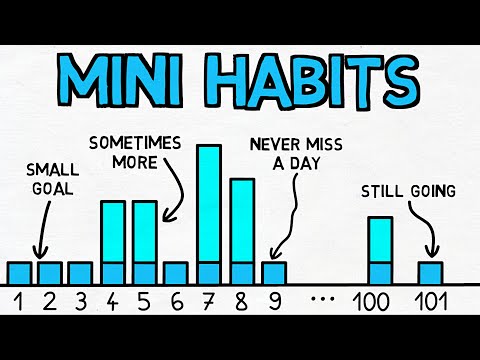
Hey you! So, let’s chat about something that can feel super overwhelming—building success. Seriously, we’re all striving for it, but it often feels like climbing Mount Everest, doesn’t it?
Este blog ofrece contenido únicamente con fines informativos, educativos y de reflexión. La información publicada no constituye consejo médico, psicológico ni psiquiátrico, y no sustituye la evaluación, el diagnóstico, el tratamiento ni la orientación individual de un profesional debidamente acreditado. Si crees que puedes estar atravesando un problema psicológico o de salud, consulta cuanto antes con un profesional certificado antes de tomar cualquier decisión importante sobre tu bienestar. No te automediques ni inicies, suspendas o modifiques medicamentos, terapias o tratamientos por tu cuenta. Aunque intentamos que la información sea útil y precisa, no garantizamos que esté completa, actualizada o que sea adecuada. El uso de este contenido es bajo tu propia responsabilidad y su lectura no crea una relación profesional, clínica ni terapéutica con el autor o con este sitio web.
But what if I told you there’s a way to make it way easier? It’s not about huge leaps or dramatic changes. Nope! It’s all about those tiny habits that can sneak into your day.
Think about this: instead of tackling a whole project at once, what if you just took one little step every day? Sounds doable, right? That’s the magic of mini habits! Trust me, they can really change the game for you. Let’s explore how these bite-sized actions can lead to some major wins in your life. Ready? Let’s roll!
5 Daily Habits of Successful People and Their Psychological Benefits
So, you wanna know what makes successful people tick, huh? Well, it’s not just luck or good genes. They often have some specific daily habits that help them build success. And here’s the cool part—these habits come with some neat psychological benefits. Let’s break down five of these habits and see how they can give you a little boost in your own life.
1. Morning Routines
Ever notice how many successful folks swear by their morning routines? It’s like they found a secret weapon! Starting the day with intention can really set the tone for everything that follows.
You might wake up, stretch a bit, sip on some coffee while journaling or meditating—whatever works for you! This isn’t just fluff; it can actually enhance your mood and clear your mind. Studies suggest routines help reduce stress and anxiety since they create predictability in our often chaotic lives.
2. Goal Setting
Successful people tend to get all revved up about setting goals—big and small. Take a page from their book: write down what you want to achieve and break it into mini-habits.
For example, if you want to read more books this year, don’t aim for twenty right off the bat! Try starting with ten pages a day instead. Research shows that achieving small goals releases dopamine in your brain, giving you that sweet feeling of accomplishment and motivation to keep going!
3. Regular Reflection
You know when you’ve had a long day playing video games and afterward, you think about what worked well and what didn’t? That kinda self-reflection is key for successful individuals too!
They take time to think about their progress, learn from mistakes, or even celebrate little wins here and there. This practice helps improve emotional intelligence by allowing them to understand their feelings better and adjust accordingly.
4. Networking
Building connections isn’t just for social butterflies; it’s crucial for everyone looking to succeed! Taking time each week to reach out to someone new or touch base with old friends can pay off big time.
Not only does it expand your circle but also boosts feelings of belongingness—something our brains crave deeply according to psychologists! Just think of networking as leveling up in a game; every new connection adds valuable experience points!
5. Self-Care
Last but definitely not least is self-care. Seriously, nobody wants burnout on their journey to success! Engaging in activities that refresh your body and mind will keep you energized.
Be it hitting the gym, enjoying nature walks, or treating yourself to a spa day; taking breaks helps maintain balance so you’re not running on fumes all the time. Plus—get this—it has been linked to improved creativity and problem-solving skills!
All in all, incorporating these daily habits into your life can turn things around psychologically too—not just helping you achieve success but making the journey enjoyable along the way.
But remember: while developing these habits sounds fantastic, everyone’s journey is unique—and if you ever feel overwhelmed or need help navigating any challenges along the way? That’s totally okay too! Seeking professional guidance when needed is always a smart move.
Understanding the James Clear 5-Minute Rule: Boosting Productivity Through Small Actions
There’s something cool about the 5-Minute Rule that James Clear talks about. Seriously, it’s all about taking tiny steps toward big goals. It’s like saying, “Hey! You can conquer this mountain, but let’s just start with a little hill first.”
So, what exactly is the 5-Minute Rule? Basically, it suggests that if a task takes less than five minutes to complete, you should just do it right away. Sounds simple enough, right? But you know what? It can totally change how you tackle your day.
Why does this work? Well, when you break tasks down into small chunks, they no longer feel overwhelming. Think about cleaning your room. If you’re like most people, looking at the entire mess can make you want to crawl under your bed and stay there forever! But if you decide to pick up just one thing—like that old shirt or empty snack bag—you’re taking a step forward without feeling paralyzed by the whole scene.
Here are some key points about using the 5-Minute Rule:
- Reduces procrastination: When a task is quick and easy, you’re less likely to put it off.
- Builds momentum: Completing small tasks gives you a sense of accomplishment which makes it easier to start bigger tasks.
- Makes habits stick: Over time, small actions lead to larger changes in behavior.
Imagine playing a video game where you need to defeat a boss level after completing several mini-missions. Each tiny mission feels achievable and builds your skills for that epic showdown! That’s how the 5-Minute Rule works in everyday life!
Let’s say you’ve got laundry sitting around for days. Instead of thinking “Ugh, I have so much laundry,” why not set a timer for five minutes? You could fold one pile or just throw in one load. Before you know it, after several sessions of five-minute bursts of folding or washing clothes—bam! The laundry is done!
But hold on; here’s where it gets deeper: This isn’t just about completing chores. It goes beyond that—your mind starts shifting too. You begin to think of yourself as someone who gets things done! That feeling of success fuels your motivation for even bigger tasks ahead.
It’s important though; while this rule works wonders for productivity and habit-building in daily life—it doesn’t replace professional help if you’re grappling with deeper issues like anxiety or depression. It’s always cool to rely on mini habits to boost your day-to-day life but don’t hesitate reaching out for support when needed.
Overall, give this rule a try! You might find yourself tackling what once seemed impossible simply by starting with those little five-minute actions. Who knows? Those mini steps could actually lead you toward some pretty epic achievements down the line!
Understanding the 7 Habit Rule: A Practical Guide to Personal Development and Behavioral Change
Alright, let’s chat about the 7 Habit Rule and how it connects to personal development, focusing on mini habits. This isn’t just a bunch of theories; it’s more like a toolkit you can use every day to make real changes in your life. You with me?
First off, what’s the 7 Habit Rule? It’s based on Stephen Covey’s book, «The 7 Habits of Highly Effective People.» The idea is that developing these seven habits can help you be more effective in your daily life. Here are the habits in a nutshell:
- Be Proactive: Take charge of your life. You’re not just reacting to things; you’re making decisions and owning them.
- Begin with the End in Mind: Have a clear vision of what you want to achieve.
- Put First Things First: Prioritize tasks that align with your goals.
- Think Win-Win: Seek mutually beneficial solutions in your relationships.
- Seek First to Understand, Then to Be Understood: Listen before speaking — this builds trust.
- Synthesize: Collaborate for Greater Success: Leverage teamwork for better results.
- Sharpen the Saw: Take time for self-renewal and growth across all areas of life (physical, mental, emotional, spiritual).
Now let’s talk about mini habits. These are super small actions that lead you toward those bigger goals. For instance, if your aim is to read more books but feel overwhelmed by it all, start by reading just one paragraph a day. Seriously! That tiny habit is so manageable that your brain won’t even put up a fight about it.
Imagine this: You decide you want to get fit but think going to the gym for an hour feels like climbing Everest. So you commit instead to doing two push-ups every morning. Sounds too simple? Well, that simplicity is why it works! Once you’ve done those two push-ups consistently—you might find yourself wanting to do more without even realizing it!
Now here’s why tying mini habits back into the 7 Habit Rule makes sense:
- You’re Proactive: By starting small, you’re taking action instead of waiting for motivation.
- You Have an End Goal: Every mini habit leads toward something bigger—like becoming healthier or learning new skills.
- You prioritize easily: Fitting in mini habits is way less daunting when life gets busy!
Here’s a little personal story: I once struggled with writing regularly because I thought I needed hours each day. So I made this small commitment — writing just one sentence every morning after waking up. At first, it felt silly. But soon enough? The sentences turned into paragraphs and before I knew it, I was getting through whole blog posts!
Incorporating these tiny steps helps build momentum and gives you confidence as well! Plus, when you’ve reached those little milestones? It feels amazing!
And look—this isn’t magic or some secret sauce; it’s about consistency. Over time those mini habits accumulate into something big. It’s like leveling up in your favorite video game—you keep grinding out levels until suddenly you’re at the top with epic gear!
Just remember though: If you’re looking at major behavioral changes or battling something deep-rooted emotionally—don’t hesitate to seek professional help too! Mini habits can be part of your toolkit but they’re not meant to replace deeper support.
In the end, combining the 7 Habit Rule with mini habits can totally transform how you approach personal growth! You’ll find yourself making progress without feeling overwhelmed—and hey isn’t that what we all want?
Building success is often romanticized as this huge mountain to climb, right? You’ve got to conquer every peak! But what if I told you it’s more like picking up small stones along the way? Seriously, those little changes in your daily routine can lead you to where you want to be. Sounds simple enough, but trust me, it can have a big impact.
Let’s chat about mini habits. These are tiny little actions that seem almost too easy to make a difference. Picture this: instead of setting a goal to read a book every week, you start with just reading one page a day. One page doesn’t feel daunting at all, does it? This feels totally manageable. It’s like eating an elephant—one bite at a time!
I remember when my friend Sarah wanted to get fit. She thought she needed to hit the gym for hours every day. The pressure was insane and honestly, she barely went. Then one day, she decided that instead of an intense workout, she’d just do ten push-ups in her living room every morning. Just ten! At first, she grumbled about how it wasn’t enough but soon enough those ten turned into twenty—and then she was doing mini workouts throughout her day without even thinking about it.
See? Tiny changes add up fast! Mini habits can help you avoid that overwhelmed feeling we all get when looking at our goals. Instead of thinking «I have to write 500 words today,» shift your mindset to «I’ll write just 50 words.» Those small victories build momentum and give you the confidence boost you need to tackle bigger challenges later on.
Another cool thing about mini habits is they don’t just work for fitness or writing! They apply everywhere—like drinking more water or keeping your workspace tidy. Even small things like saying “thank you” more often can shift your mood and help build connections with others.
In the end, if you’re feeling stuck or overwhelmed by big goals (and who hasn’t?), try breaking things down into bite-sized pieces. Sometimes it’s not about sprinting; it’s about walking steadily toward what matters most for you. And who knows? You might find yourself running before you even know it!