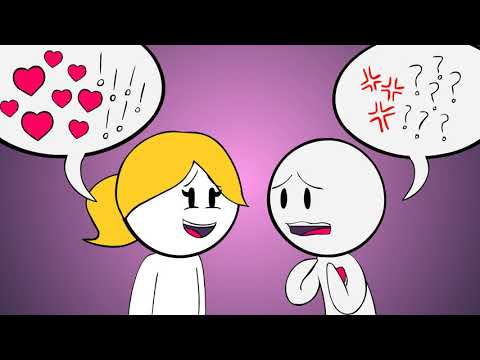
Have you ever felt like you’re bending over backward for someone? Maybe you find yourself constantly worrying about your partner’s emotions, even more than your own. It’s a weird place to be, huh?
Este blog ofrece contenido únicamente con fines informativos, educativos y de reflexión. La información publicada no constituye consejo médico, psicológico ni psiquiátrico, y no sustituye la evaluación, el diagnóstico, el tratamiento ni la orientación individual de un profesional debidamente acreditado. Si crees que puedes estar atravesando un problema psicológico o de salud, consulta cuanto antes con un profesional certificado antes de tomar cualquier decisión importante sobre tu bienestar. No te automediques ni inicies, suspendas o modifiques medicamentos, terapias o tratamientos por tu cuenta. Aunque intentamos que la información sea útil y precisa, no garantizamos que esté completa, actualizada o que sea adecuada. El uso de este contenido es bajo tu propia responsabilidad y su lectura no crea una relación profesional, clínica ni terapéutica con el autor o con este sitio web.
Codependency can sneak up on you. One minute, you’re being supportive and caring. The next, you’re losing your own identity in the mix. Wild, right?
Let’s talk about those little signs that hint at codependent traits. You know, the stuff that makes you go “Hmm, is this normal?” Believe me, you’re not alone in figuring this out!
Understanding Codependent Relationships: Signs, Causes, and Healthy Solutions
Codependent relationships can be a bit tricky, you know? They often feel comfortable, but underneath that surface, there’s usually a lot going on that isn’t super healthy. It’s like two people are playing a game where one can’t win unless the other gives up something important. So, let’s break down what codependency really means.
Signs of Codependent Relationships
- One person always puts the other’s needs first. It’s like they’re on autopilot, forgetting about their own feelings!
- You might notice a lack of boundaries. For instance, if one partner constantly cancels plans just to appease the other, that’s a red flag.
- Emotional ups and downs can be intense. When one person feels sad or angry, it can throw the other into chaos.
- Communication becomes skewed. It’s often about pleasing each other rather than sharing honest feelings.
Let me tell you a little story. My friend Sarah was in this kind of relationship for years. She always dropped everything when her boyfriend Jake had a bad day at work. While being supportive is great, it became an everyday routine for her to neglect herself just to help him feel better. Over time, she started feeling lost and unfulfilled—the game wasn’t fun anymore!
Causes of Codependency
- A history of unhealthy family dynamics can lay the groundwork for codependent behaviors. If you grew up in an environment where love was conditional or based on performance, you might unknowingly carry those patterns into adulthood.
- Poor self-esteem plays a huge role too. If you don’t feel good enough by yourself, you might cling to someone else for validation.
- Trauma from previous relationships can lead someone to seek out partners who reinforce codependent habits.
You’ve got to think about how all these pieces come together! It’s like when you’re playing a cooperative video game: if one player keeps sacrificing themselves for the team but never gets support in return, they’ll eventually crash and burn! That’s not teamwork; it’s codependency!
Healthy Solutions
- Establishing personal boundaries is vital! Start small—maybe say no to something that doesn’t serve your well-being.
- You could find your passions outside of the relationship—hobbies and interests are essential for individual growth.
- Therapy can offer tools for change and help unpack deep-seated issues that may have contributed to codependent habits.
Sarah eventually sought therapy after realizing her relationship felt more draining than fulfilling. She learned how to set boundaries with Jake while also rediscovering things she loved on her own—like painting and hiking! Totally life-changing stuff! And remember: seeking professional help is key when dealing with complex emotional patterns; it’s not something you have to navigate alone!
If any of these signs resonate with you or if you’re worried about your relationship dynamics, don’t hesitate to talk things through with someone who gets it—a therapist or counselor can help clarify those feelings and guide you toward healthier paths without judgment!
Assess Your Relationship: Take the Codependent Relationship Quiz
Assessing your relationship can feel a bit like playing a game where the rules aren’t clear. You know, those moments when you wonder if you’re really on the same page with your partner? Codependency is one of those tricky things that can creep in and mess things up. But don’t worry, let’s break this down together.
What is Codependency?
At its core, codependency is when one person’s self-worth and happiness are heavily tied to another person. It’s like being in a two-player game where one player can’t function without the other. You’ll often find yourself sacrificing your own needs to keep the peace or make your partner happy. It’s not always easy to spot, but it can lead to some seriously unbalanced dynamics.
Signs of Codependent Relationships
Here are a few traits that might help you figure out if you’re dealing with codependency:
- You feel responsible for your partner’s feelings. If they’re upset, you feel compelled to fix it—often at the cost of your own emotional health.
- Your identity revolves around them. You might struggle to enjoy activities or friends outside of the relationship.
- You prioritize their needs over yours. Missing out on plans because they didn’t want to go? That’s a red flag!
- You fear abandonment. This fear might lead you to tolerate unhealthy behaviors just to keep from losing them.
- You experience guilt for wanting time alone. Taking time for yourself feels selfish rather than necessary for your well-being.
Imagine playing a co-op video game where you have such an intense rage against losing that you’d do anything—anything!—to keep winning, even if it means sacrificing yourself in-game. That’s kind of what living in a codependent relationship can feel like.
The Importance of Self-Assessment
Taking a step back and assessing your relationship helps bring clarity. Think about this: when was the last time you had fun doing something solo? What about hobbies or friendships? Ask yourself why those things have taken a backseat.
You might catch yourself thinking it’ll all get better later or that their challenges are yours to bear too, but honestly? That wears you down faster than you’d think.
Breaking Free from Codependency
If any of this resonates with you, there are steps one can take toward healthier dynamics:
- Acknowledge your needs: Seriously! What do *you* enjoy?
- Create boundaries: It’s okay to say no. Really!
- Pursue outside interests: Rediscover what makes *you* tick.
Changing old habits can be tough—it’s like trying to switch characters mid-game when you’ve been playing as one for so long! But every little action counts.
When assessing relationships and digging into these feelings, remember: this isn’t therapy, and if things feel heavy or complicated, reaching out for professional help is always a great call. You deserve balance and happiness without feeling tethered!
So next time you’re wondering about the state of your relationship—just like checking levels in that favorite game—you’ve got some tools and reminders now! Make sure both players are having fun; that’s what really matters!
Identifying and Understanding Codependency Traits in Relationships
There’s this thing called codependency in relationships, right? It’s when one person gets so wrapped up in another person’s needs that they kinda forget about their own. Imagine playing a co-op game where one player is always taking care of the other and neglecting their own character’s health – eventually, they might just get knocked out.
So, what does codependency look like? Here are some common traits to keep an eye out for:
- People-pleasing tendencies: If you’re constantly trying to make others happy, even at your own expense, you might be caught in a codependent cycle.
- Low self-esteem: Feeling like you’re not good enough unless you’re helping someone else can be a classic sign.
- Fear of abandonment: If you’re terrified that someone will leave you if you don’t meet all their needs, that’s a red flag.
- Savior complex: You may feel it’s your job to fix or rescue someone else. This often leads to frustration when they don’t change.
- Lack of boundaries: Not knowing how to say no or feeling guilty for asserting your needs is super common in codependent relationships.
Picture this: You’ve got a friend who always bails on plans but expects you to be there for them every single time. It becomes exhausting! Maybe you start thinking that your worth depends on being “the reliable one.” That can spiral into codependency pretty quickly.
Now let’s say you’re the one always helping your partner with their problems but never getting support for yourself. You might feel drained after countless late-night talks about their issues while your worries go untouched. It can turn into a cycle where both people are missing what they truly need from each other.
It is important to recognize that codependent relationships often lack healthy communication. Instead of openly talking about feelings and needs, there’s likely tension and unspoken resentment building up. Kind of like playing two-player in a video game where one person hogs the controller; it just doesn’t work well.
If you think any of this sounds familiar, don’t stress! Knowing these traits is the first step toward healthier relationships. If things feel too tangled or painful, reaching out for help from a professional could make all the difference. They can help untangle those emotional knots.
So remember, recognizing these traits isn’t just about pointing fingers; it’s more about understanding yourself and others better. Once you’re aware of them, it’s easier to work on finding balance – just like leveling up your character in that co-op game!
You know, codependency is one of those things that can sneak up on you without even realizing it. It’s like when you’re so focused on taking care of someone else that you forget about yourself completely. I remember back in college, I had this friend who was always putting everyone else’s needs before her own. She’d cancel her plans to help others, and, honestly, she wasn’t taking care of herself at all. That’s how I started to see the early signs of codependency – she was losing herself in trying to be there for everyone.
So, what does it really look like? Well, let’s say you’re in a relationship where you feel like your happiness hinges entirely on your partner. That constant worry about how they’re feeling? Yeah, that could be a red flag! If you’re always second-guessing yourself just because you want to keep the peace, that’s another sign. Codependent individuals often feel responsible for their partner’s emotions; it’s like carrying their emotional backpack everywhere.
It’s not just about the emotional side either—codependents might struggle setting boundaries. You find yourself saying yes when your gut says no – seriously! And then there’s this cycle: feeling drained but also feeling guilty for wanting some space. Who knew feeling good about saying “no” could be such a hassle?
And let’s not forget the need to be needed! There’s something comforting about being someone’s rock, right? It gives you purpose. But if it turns into giving up your dreams and desires just to support them, that’s a tough spot to be in.
All relationships require some level of give and take; that’s just part of being human. But if you notice that it’s mostly about giving—and maybe forgetting who you are along the way—that’s when it might be time to take a step back and reflect.
Sometimes it’s tough love we need with ourselves—like looking in the mirror and asking if our relationship is truly healthy or just familiar comfort wearing us down. And look, recognizing these traits doesn’t mean you’re labeled forever as codependent—it just means you’re trying to understand yourself better!
So hey, if you’re nodding along thinking «wow, this sounds familiar,» don’t beat yourself up over it. Awareness is where change starts! Just remember: your needs matter as much as anyone else’s!