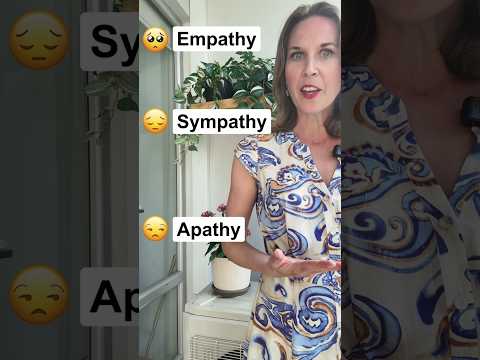
So, let’s chat about something super important: building social emotional skills. You know, those little things that help us connect with others and really understand ourselves?
Este blog ofrece contenido únicamente con fines informativos, educativos y de reflexión. La información publicada no constituye consejo médico, psicológico ni psiquiátrico, y no sustituye la evaluación, el diagnóstico, el tratamiento ni la orientación individual de un profesional debidamente acreditado. Si crees que puedes estar atravesando un problema psicológico o de salud, consulta cuanto antes con un profesional certificado antes de tomar cualquier decisión importante sobre tu bienestar. No te automediques ni inicies, suspendas o modifiques medicamentos, terapias o tratamientos por tu cuenta. Aunque intentamos que la información sea útil y precisa, no garantizamos que esté completa, actualizada o que sea adecuada. El uso de este contenido es bajo tu propia responsabilidad y su lectura no crea una relación profesional, clínica ni terapéutica con el autor o con este sitio web.
We all want better relationships, right? It’s like that secret ingredient in the recipe of life. Seriously! When we get how to manage our feelings and relate to others, everything changes.
Think about a time when you had a tough conversation or felt misunderstood. Oof, right? That’s where these skills come into play! They can help you navigate those awkward moments and build stronger bonds with people around you.
Let’s dig into this together and see how we can boost those skills for happier, healthier relationships! Sound good?
Understanding the 5 C’s of Social Emotional Learning: Key Components for Student Success
You know, social emotional learning (SEL) is super important for students. It’s all about developing the skills that help you understand yourself and connect with others better. One way to think about SEL is through the 5 C’s. These are basically the key ingredients for building strong social emotional skills, especially when it comes to forming better relationships. Let’s break them down.
- Self-awareness: This is your ability to recognize your own emotions and thoughts. Imagine playing a game where you have to identify how you feel when something happens – like losing a match. Are you frustrated? Sad? Understanding these feelings helps you react better next time.
- Self-management: This one’s about how well you handle stress and control impulses, which is huge in relationships. Like, if you get mad during a game and want to shout at your teammate, self-management helps you stay calm instead. It’s all about keeping those emotions in check!
- Social awareness: This means being able to understand others’ feelings and perspectives. Picture this: you’re in a group project and someone seems upset because their idea got shot down. Being socially aware helps you notice that and maybe give them a chance to voice their thoughts again.
- Relationship skills: These are all about how well you communicate with others, cooperate, and resolve conflicts. Think of it like playing soccer – teamwork is key! If there’s a disagreement on the field, good relationship skills help clear things up without hard feelings.
- Responsible decision-making: This involves making choices that are respectful both of yourself and others around you. Say you’re choosing whether or not to join in on spreading rumors at school. Using responsible decision-making means thinking about how that affects people before acting on impulse.
When these 5 C’s come together, students can create more meaningful connections with each other and even handle challenges more effectively. It’s like building a toolkit for life where each tool helps tackle different social scenarios—you know?
By focusing on these components in educational settings or at home, we’re setting up our kids not just for success in school but also for their future relationships outside of class—pretty neat, right? And while it’s great to enhance these skills through games or discussions, remember it’s always okay to seek professional help if things get tough.
Ultimately, understanding the 5 C’s of Social Emotional Learning can really pave the way for deeper empathy and stronger bonds between people! That makes all the difference in creating healthy interactions now—and in the future too!
Understanding the 4 R’s of Emotional Intelligence: A Key Framework for Personal and Professional Growth
Emotional intelligence can feel like a big concept, but breaking it down into bite-sized pieces makes all the difference. You might have heard of the 4 R’s of Emotional Intelligence, which are: Recognize, Reflect, Respond, and Regulate. Each of these plays a key role in both personal and professional growth, especially when it comes to building solid relationships. Let’s unpack them one by one.
Recognize: This first step is about being aware of your own emotions and the feelings of others. Imagine you’re playing a game like «Among Us.» Spotting who’s upset or stressed is crucial for teamwork! When you recognize emotions, you become more attuned to what’s happening around you.
Reflect: After recognizing emotions, it’s time to think about them. What’s their source? Why do you feel that way? Picture yourself after a fight with a friend. Taking time to reflect on your feelings can help you understand if it was something they said or if maybe you were just having a bad day. Reflection acts as your emotional mirror—allowing you to see things more clearly.
Respond: This step involves how you express those emotions and how you react to others’ feelings. Think about it this way: You wouldn’t shout at someone in «Mario Kart» because they bumped into you; instead, you’d probably laugh it off or offer encouragement! Responding appropriately builds trust and strengthens bonds with others.
Regulate: Finally, regulation is all about controlling your emotional responses. If someone cuts in front of you in line (ugh!), instead of flying off the handle, take a deep breath and maybe even smile at them instead. Learning to keep your cool helps maintain healthy interactions and shows emotional maturity.
In practice, these 4 R’s intertwine beautifully together:
- Recognize: Acknowledge when you’re feeling overwhelmed.
- Reflect: Ask yourself why that situation bothered you.
- Respond: Share your feelings calmly with someone.
- Regulate: Find ways to manage stress so it doesn’t get the best of you.
Building these skills doesn’t happen overnight; it takes time and practice! And remember, while developing emotional intelligence can greatly improve relationships—both personal and work-related—it doesn’t replace professional help when needed. Sometimes talking to someone trained can be the best step forward if you’re really struggling!
So there ya have it—the 4 R’s are pretty much life tools for better interactions with people everywhere! You know what? Embracing these concepts might just make your everyday social situations smoother than ever before!
Practical Examples of Building Social Emotional Skills for Stronger Relationships
Building social-emotional skills is like adding tools to your toolbox for better relationships. You know, when you understand your feelings and the feelings of others, it makes connecting with people a lot easier. Here’s how you can work on those skills in everyday life.
1. Practice Active Listening
You’ve probably been chatting with someone, and they seem distracted, right? It’s tough. But imagine if you really focused on what they’re saying. Active listening means giving your full attention—look at them, nod, and ask questions like “How did that make you feel?” This shows you care and helps build trust.
2. Use I-Statements
Have you ever had a misunderstanding because one person said something that hit the wrong nerve? Instead of saying “You never listen to me,” try an I-statement: “I feel unheard when I’m talking.” This way, you communicate how you feel without putting the other person on the defensive.
3. Role-Playing Scenarios
Here’s where it gets fun! Gather some friends or family members for a little role-playing game. Pick an easy scenario—like planning a vacation together—and take turns expressing needs and concerns. It’s a lighthearted way to practice empathy and communication without real-life stakes.
4. Mindfulness Meditation
Have you ever noticed your mind racing when things get emotional? Mindfulness meditation can help calm those stormy thoughts. Spend just five minutes focusing on your breathing or noticing what’s around you. This can boost your ability to stay present during emotional conversations.
5. Check-In with Yourself
Before jumping into a discussion about something important, take a moment to check-in with your own emotions. Ask yourself why am I feeling this way? Am I stressed or tired? Knowing where you’re at emotionally helps in approaching conversations more calmly.
6. Play Team-Building Games
Games aren’t just for kids; they can be super helpful for adults too! Think of games like charades or Pictionary, where non-verbal communication is key. These activities teach people how to pick up on cues and collaborate effectively—both important social-emotional skills.
7. Show Appreciation Regularly
Everyone loves to feel appreciated! Make it a habit to tell people what they mean to you or thank them for their efforts—whether that’s cooking dinner or helping with a project at work. It strengthens bonds and encourages others to express their feelings too.
These practical examples can seriously enhance your connections without needing therapy sessions (though don’t forget that getting professional help is totally valid!). Try incorporating these strategies into your daily rhythm—you might notice relationships blossoming in ways you’ve never imagined! Remember though, everyone is different; what works for one person might not work for another so be patient as you figure this out together!
You know, have you ever had one of those moments where you just clicked with someone? Everything felt easy; the conversation flowed, and there was this awesome vibe. That’s the magic of social-emotional skills. Honestly, these abilities are kind of like the secret sauce that makes our relationships more meaningful.
Let me tell you a quick story. A while back, I was at a friend’s gathering. There was this guy there who seemed totally in tune with everyone. He’d listen actively, nodding and responding in such a genuine way that it felt like he really cared about what we were saying. It just made you want to open up more! It got me thinking about how these social-emotional skills—like empathy, effective communication, and self-awareness—can really transform our connections.
So, what we’re talking about here? Well, emotional intelligence is a big part of it. It’s all about recognizing your feelings and understanding others’ emotions too. Think about it: if you can pick up on when someone’s feeling down or anxious, it makes responding to them so much easier! You can offer support or just a listening ear instead of barreling through obliviously.
Then there’s self-regulation—basically being able to manage your reactions and emotions without losing your cool. Like when someone cuts in front of you in line… You could freak out or take a deep breath and let it go. The second option tends to lead to better interactions!
And communication? Wow! We often forget how crucial that is for building strong relationships. It’s more than just talking; it’s about being clear, sharing your thoughts but also taking time to understand others’. When both sides feel heard? That’s where the real connection happens.
Now, let’s not forget about empathy—the ability to put yourself in someone else’s shoes. It can change the game! Instead of judging or jumping to conclusions, you pause and think about their perspective. Seriously, imagine how much smoother conversations would go if everyone practiced this!
The truth is that nobody’s perfect at this stuff; we all have our moments where we stumble through interactions or misread situations. But by working on these skills gradually—whether through practice or self-reflection—we build deeper connections over time.
And hey, at the end of the day, nurturing our social-emotional skills not only enriches our own lives but also spreads positivity around us! So why not give it a shot? You might find yourself forging stronger bonds with people who mean something special in your life!