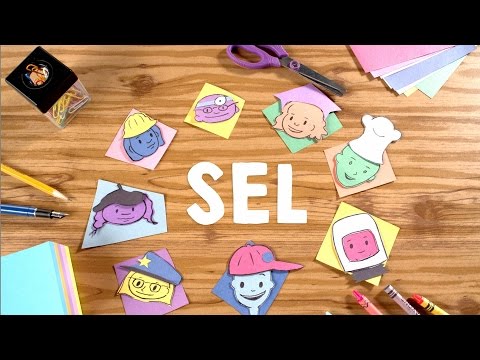
Hey you! Let’s chat about something we all go through. You know those moments when you feel totally in over your head?
Este blog ofrece contenido únicamente con fines informativos, educativos y de reflexión. La información publicada no constituye consejo médico, psicológico ni psiquiátrico, y no sustituye la evaluación, el diagnóstico, el tratamiento ni la orientación individual de un profesional debidamente acreditado. Si crees que puedes estar atravesando un problema psicológico o de salud, consulta cuanto antes con un profesional certificado antes de tomar cualquier decisión importante sobre tu bienestar. No te automediques ni inicies, suspendas o modifiques medicamentos, terapias o tratamientos por tu cuenta. Aunque intentamos que la información sea útil y precisa, no garantizamos que esté completa, actualizada o que sea adecuada. El uso de este contenido es bajo tu propia responsabilidad y su lectura no crea una relación profesional, clínica ni terapéutica con el autor o con este sitio web.
Yeah, I’ve been there too. It can be tough navigating the mess of emotions and social situations we face every day.
But hey, that’s where socio-emotional skills come into play! Seriously, these skills can change the game for personal growth.
Imagine being able to handle stress like a pro or connect with others more easily. Sounds awesome, right?
So, stick around! We’re diving into how to boost those skills and make life a little more manageable—and maybe even a lot more fun!
Understanding the 5 Key Socio-Emotional Skills for Personal and Social Development
So, let’s chat about the five key socio-emotional skills that can really boost your personal and social development. These skills help you connect with others and manage your emotions, which is super important for leading a fulfilling life. You know what I mean?
Self-Awareness is basically being in tune with your own thoughts and feelings. It’s like knowing when you’re happy or frustrated, and why that happens. Imagine you’re playing a game of chess. You have to understand how each move affects you and your opponent. That level of awareness helps you make better choices, not just in games but in life too.
Self-Management is all about controlling your emotions and behaviors. It’s like when you feel angry because someone cut you off in traffic, but instead of screaming, you take a deep breath and calm down. Seriously! This skill helps you handle stress, set goals, and stay motivated. It’s like managing your character’s health bar in a video game; the better you manage it, the longer you’ll survive.
Then we have Social Awareness, which means understanding how other people feel and what they need. Think about it: when you’re at a party and see someone standing alone looking sad, do you ignore them or go say hi? Social awareness helps build connections! It’s like using your radar to pick up on vibes around you.
Next up is Relationship Skills. This one’s pretty simple yet so vital—it’s all about making friends, communicating well, and resolving conflicts peacefully. Honestly, think about those group projects at school; if everyone knows how to communicate effectively, things go smoother! Building healthy relationships means being able to navigate those tricky waters without sinking.
Lastly, there’s Responsible Decision-Making. This skill involves making choices based on ethics and safety while weighing the potential outcomes for yourself and others involved. Imagine if you’re deciding whether to join a club that’s known for some questionable behavior—it requires critical thinking! This isn’t just about avoiding bad decisions; it’s also about recognizing positive opportunities that can bring growth.
To wrap this up nicely: enhancing these socio-emotional skills can lead to more satisfying relationships, better emotional regulation, and overall personal growth! So whether you’re learning through experiences or playing games that challenge these skills—like teamwork-based video games or board games—you can always find ways to improve.
Just remember: while developing these skills can be super helpful for personal growth, it’s no substitute for professional help if you’re feeling overwhelmed or struggling emotionally. You’ve got this!
7 Essential Keys to Personal Growth: Practical Strategies for Self-Improvement
Sure, let’s talk about enhancing your socio-emotional skills for personal growth. These skills really play a huge role in how you connect with yourself and others. They’re like the secret sauce for navigating life. Here’s a look at some practical strategies that could help you improve these skills.
1. Self-Awareness
First off, you gotta know yourself, right? Self-awareness is like looking in a mirror—figuratively speaking. It’s understanding your emotions, strengths, and weaknesses. You can start by keeping a journal to track your feelings and reactions throughout each day. Ask yourself questions like “What made me feel good today?” or “What frustrated me?” Over time, you’ll notice patterns emerge.
2. Empathy
Empathy is all about stepping into someone else’s shoes. Imagine your friend just lost their job; instead of offering clichés, try saying something like “That must be really tough.” You see? It’s about *feeling* what they feel. You can practice empathy by listening truly—not just waiting for your turn to talk! When someone shares their story, focus on their emotions rather than jumping straight to solutions.
3. Active Listening
This one ties back to empathy too! Active listening means being fully present in conversations—no distractions allowed! Nod along, ask follow-up questions, and summarize what the other person said to show you’re engaged. Sometimes it helps to think of conversations as a game of catch: throw the ball by sharing thoughts but catch it by really absorbing what the other person says.
4. Emotional Regulation
Life throws curveballs at us all the time—think bad traffic or spilled coffee! Learning how to manage those emotional spikes is essential for personal growth. When you’re upset, try taking three deep breaths before reacting or say something constructive instead of snapping at others. This simple pause can prevent future regrets!
5. Positive Relationship Management
Building healthy relationships is crucial for socio-emotional development—you don’t wanna keep toxic people around! Work on establishing boundaries; it’s not selfish—it’s necessary! If someone makes you feel bad often without a valid reason? It might be time to step back from that relationship.
6. Conflict Resolution
Disagreements are natural but knowing how to handle them gracefully makes all the difference. When conflicts arise—or say during an intense game—focus on finding common ground instead of proving who’s right or wrong. You might say something like “I see where you’re coming from, but let’s find a solution together.” This approach fosters teamwork and mutual respect.
7. Continuous Learning
Never stop growing! Read books on emotional intelligence or enroll in workshops focusing on socio-emotional skills; they offer fantastic resources for improvement! Maybe even join clubs or meetups where team activities are involved—working together builds bonds and teaches you more about managing relationships effectively.
In summary, enhancing your socio-emotional skills isn’t some overnight magic trick—it’s about daily practice and awareness that leads to personal growth over time; so be patient with yourself! And remember: if ever you’re feeling overwhelmed or need deeper support, talking with a professional can make all the difference too!
So there you have it—just a few steps towards improving those essential skills to elevate your personal journey ahead!
Understanding the 5 C’s of Social Emotional Learning: Key Components for Emotional Development and Well-Being
So, social emotional learning (SEL) is a big deal these days. It helps us figure out how to manage our emotions and get along with others. You know, it’s like building a foundation for personal growth. There are these five key components often called the 5 C’s of SEL that are super important for our emotional development and overall well-being. Let’s break them down, shall we?
1. Self-Awareness
This is all about getting to know yourself better. It means understanding your own feelings, thoughts, and behaviors. When you’re self-aware, you can recognize when you’re feeling sad or happy or even anxious. Think about a time when you felt really upset but weren’t sure why; well, being aware of your emotions can help you figure out what’s going on.
2. Self-Management
Once you know how you’re feeling, it’s important to manage those feelings in a healthy way. This involves controlling your impulses and managing stress effectively. Like if you’re playing a game and you start to feel frustrated because you’re losing—learning to take deep breaths or walk away for a moment can help keep those feelings in check.
3. Social Awareness
This component is all about understanding the emotions of others and being able to empathize with them. It means recognizing when someone else is struggling or feeling great—like noticing when a friend seems really down and offering your support. Games that require teamwork can help enhance social awareness since they teach us how to read other people’s cues.
4. Relationship Skills
Building strong relationships with others is crucial for emotional well-being! This includes communicating clearly, listening actively, and resolving conflicts in a positive manner. Imagine playing a team sport; you have to work together with your teammates while respecting each other’s strengths and weaknesses.
5. Responsible Decision-Making
This last C involves making constructive choices about personal behavior and social interactions based on ethical standards, safety concerns, and social norms. It’s like thinking twice before reacting out of anger during an argument; instead of shouting at someone, pausing first helps lead to more thoughtful decisions.
So there you have it—the 5 C’s of social emotional learning! By working on these aspects in our lives—whether through games that promote teamwork or simply by practicing empathy—we can boost our socio-emotional skills for personal growth.
And remember: while this info is helpful for enhancing your emotional development, nothing beats having an honest chat with a professional if you’re feeling overwhelmed or need extra support!
You know, when I think about socio-emotional skills, I can’t help but recall a time when I really struggled with connecting to others. It was during my high school years. I remember sitting at lunch, watching people chat and laugh while I just kind of sat there, feeling like an outsider. It was tough not knowing how to jump into conversations, or even start any for that matter.
So, what are socio-emotional skills anyway? Basically, these are the abilities that help you understand and manage your emotions while also recognizing and influencing the emotions of others. Think empathy, self-awareness, and social skills – they form the glue in our relationships. And wow, do they matter!
When you enhance these skills, it’s like leveling up in life. You start to communicate better, make stronger connections, and handle conflicts more gracefully. It’s not just about talking; it’s about really connecting with people on a deeper level. Remember that feeling when someone truly gets you? That comes from good socio-emotional skills.
Imagine being able to express your feelings without fear of judgment or being able to pick up on someone else’s mood just by their body language. Pretty cool stuff, right? Well, working on these skills can change how you approach relationships—whether it’s friendships or professional ones.
Practice is key though! You might try starting small by checking in with yourself more often: How do you feel today? What triggered that feeling? Or maybe ask a friend how they’re really doing instead of the usual “Hey! How are you?”
And look, it can be uncomfortable at first; nobody loves vulnerability. But those awkward moments are also where growth happens! Embracing those feelings can help build resilience—seriously!
I still think back to those lunch days sometimes when I’m chatting with friends now. Each conversation is a bit like a dance; sometimes you’re leading and other times you’re following the flow of the moment. The best part? No one is judging your moves; they’re all focusing on their own rhythm too.
All in all, enhancing your socio-emotional skills isn’t just some buzzword trend—it’s a journey worth taking for personal growth. It’s not always easy but every little step counts towards becoming more connected and fulfilled within yourself and with others around you! So keep practicing; you’ll surprise yourself with how far you’ve come!