So, you know how some people just seem to have this magic touch when it comes to leading others? It’s like, they get what people need, even without saying a word. Ever wondered what’s behind that?
Este blog ofrece contenido únicamente con fines informativos, educativos y de reflexión. La información publicada no constituye consejo médico, psicológico ni psiquiátrico, y no sustituye la evaluación, el diagnóstico, el tratamiento ni la orientación individual de un profesional debidamente acreditado. Si crees que puedes estar atravesando un problema psicológico o de salud, consulta cuanto antes con un profesional certificado antes de tomar cualquier decisión importante sobre tu bienestar. No te automediques ni inicies, suspendas o modifiques medicamentos, terapias o tratamientos por tu cuenta. Aunque intentamos que la información sea útil y precisa, no garantizamos que esté completa, actualizada o que sea adecuada. El uso de este contenido es bajo tu propia responsabilidad y su lectura no crea una relación profesional, clínica ni terapéutica con el autor o con este sitio web.
Well, it all boils down to something called emotional intelligence. Seriously, it’s a game changer!
Imagine being able to read the room and vibe with your team on a whole new level. That’s what emotional intelligence training is all about. It’s not just about numbers or goals; it’s about connecting with folks in a way that makes them feel valued.
Ready to explore how sharpening those emotional skills can make you an amazing leader? Trust me, you’ll want to stick around for this!
Free Emotional Intelligence Training for Leadership Success: Enhance Your Skills for Effective Management
Emotional intelligence (or EQ, as some folks call it) is like your secret sauce when it comes to being a great leader. It’s not just about managing tasks but also really connecting with people. So, let’s break this down and see how you can enhance your skills for effective management.
First off, what even is emotional intelligence? Well, it’s basically the ability to understand and manage your own emotions while also recognizing and influencing the emotions of others. It’s like being able to read the room, you know?
Here are some key components of emotional intelligence:
- Self-awareness: This is knowing what you feel and why. Leaders with high self-awareness tend to understand their strengths and weaknesses.
- Self-regulation: This means controlling your emotions and impulses. It’s about staying calm under pressure—like when that big deadline is looming.
- Motivation: Leaders with strong EQ are usually very motivated themselves and can inspire their teams too. It’s about having passion for what you do.
- Empathy: Understanding others’ feelings is huge in leadership. When a team member is struggling, empathy helps you connect and support them.
- Social skills: Good leaders communicate effectively, build relationships easily, and resolve conflicts without drama.
Now, let’s talk about how to enhance these skills for leadership success.
**Practice Self-Awareness**: Start keeping a journal of your thoughts and feelings, especially after tough situations at work. Reflect on your reactions—what worked well? What didn’t? This isn’t always easy; I remember once feeling super frustrated during a team meeting because no one was on the same page. Looking back, I realized my annoyance only made things worse! Reflecting helped me see how I could approach things differently next time.
**Develop Self-Regulation**: When you’re feeling overwhelmed or angry, try taking a deep breath before reacting or responding. A simple pause can do wonders! You might even think of it like loading up on extra lives in a video game before hitting restart—you want to be ready for whatever comes next.
**Get Motivated**: Find out what drives you! Whether it’s achieving goals or making an impact on your team—having that clear motivation makes a huge difference in how you lead others.
**Build Empathy**: Try actively listening when someone shares their concerns or ideas. Instead of thinking about what you’ll say next while they’re talking (we’ve all been guilty of this), really tune in to their emotions. The more connected they feel to you as a leader, the more engaged they’ll be!
**Hone Social Skills**: Join groups or participate in team-building activities where communication shines—like improv classes or even something light-hearted like playing charades! It fosters collaboration and creates space for open conversations.
And remember, even if you’re working on emotional intelligence skills by yourself—it doesn’t replace reaching out for professional help if needed. Therapists and coaches are there when things get heavy 😅.
So there you have it—a little insight into emotional intelligence training for becoming an effective leader! By enhancing these essential skills, you’ll not only lead better but also create an environment where everyone feels valued and understood. Pretty cool stuff!
Online Emotional Intelligence Training for Effective Leadership Development
Emotional intelligence, or EI for short, is a big deal when it comes to leadership. Seriously! It’s all about understanding your own feelings and those of the people around you. Think about a time you were really angry or sad at work — did your boss handle it well? That’s emotional intelligence in action.
Online training for emotional intelligence can really ramp up your leadership skills. Here’s how it breaks down:
- Self-awareness: This is knowing your emotions and how they affect others. Picture yourself in a meeting where someone says something you disagree with. If you recognize that feeling of frustration bubbling up, you can choose to respond thoughtfully instead of snapping.
- Self-regulation: Once you’re aware of your emotions, the next step is control. Imagine playing a video game where you need to manage different resources — if you mess up, it could cost you the game. In real life, being able to manage your emotional responses helps keep the team vibe positive.
- Empathy: This is the ability to understand and share someone else’s feelings. Let’s say a team member just had a rough day; having empathy means recognizing that and maybe giving them a little space or support instead of piling on more stress with deadlines.
- Social skills: Good leaders need strong social skills! This means knowing how to communicate effectively, resolve conflicts, and inspire others. Think of social skills like being the glue in your friend group — keeping everyone together and happy!
- Motivation: Emotionally intelligent leaders inspire themselves and others. If you’re motivated by personal growth or team success, that energy can spread! It’s kind of like when you’re on a sports team — if one player gives their all, it boosts everyone else’s spirit too.
Online training programs can help develop these areas through interactive content like videos, quizzes, or even role-playing scenarios. You know what? Engaging with these resources makes learning fun and relatable.
But here’s something important: this kind of training isn’t a magic fix. It won’t replace professional therapy or counseling if that’s what someone needs for deeper emotional issues.
All in all, working on your emotional intelligence can lead to better decision-making and stronger relationships within teams. As we navigate through diverse personalities at work (and let me tell you – there’s always one!), having good EI helps create an environment where everyone feels valued.
So if you’re looking into online EI training for leadership development — give it some thought! It might just be what takes your leadership game from good to great!
Local Emotional Intelligence Training Programs for Effective Leadership Development
Alright, let’s chat about emotional intelligence and how it ties into leadership. Seriously, it’s a big deal! Emotional intelligence (often abbreviated as EI) basically means being aware of your own emotions and understanding others’ feelings too. This is especially crucial for leaders, you know?
What Is Emotional Intelligence?
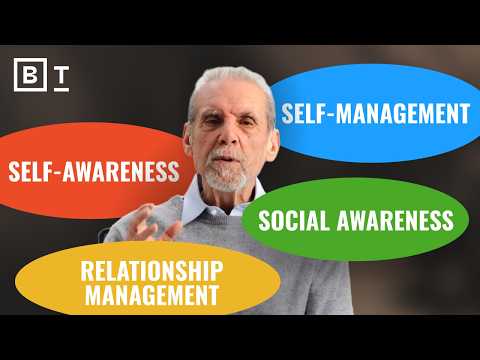
So, emotional intelligence involves a few key skills:
- Self-awareness: Knowing what you feel and why.
- Self-regulation: Managing your emotions in a healthy way.
- Social awareness: Understanding the emotions of others.
- Relationship management: How you interact and connect with people.
Pretty straightforward, right? But the real magic happens when you apply these skills in leadership situations. Let’s think about it: You ever had a boss who just *got* how to handle a tough situation without losing their cool? That’s emotional intelligence at work!
The Benefits for Leaders
When leaders tap into their emotional intelligence, they can foster better team dynamics. Here’s how:
- Improved communication: Leaders who understand their team’s feelings can communicate more effectively.
- Bigger engagement: Teams are more motivated when they feel understood and valued.
- Crisis management: EI helps leaders stay calm under pressure, which is crucial during crises.
Imagine being in a meeting where tensions are high. A leader with strong emotional intelligence might notice the uncomfortable vibe and take a moment to acknowledge it. It lightens the mood!
Local Training Programs
Now, if you’re looking to up your emotional intelligence game or help develop it in someone else’s leadership style, local training programs can be super helpful. These programs often combine theory with practical exercises—think role-playing scenarios or group discussions.
You might find workshops organized by universities or community centers focusing on leadership development through EI training. Even local businesses sometimes offer these programs as part of employee development strategies.
A Quick Example
Let me share an anecdote here. I once attended a workshop that included different activities like “emotion charades.” Basically, we had to act out various emotions without words while others guessed what we were feeling. It sounds silly, but wow did it change how I viewed both my emotions and those of my colleagues!
It creates this safe space where everyone gets to voice feelings without judgment. You also see how non-verbal cues carry so much weight—body language is huge in understanding emotional contexts!
The Bottom Line
Emotional intelligence is not just buzzword fluff—it’s something that can transform you into an effective leader if nurtured properly through training programs. But remember: while these programs are useful for skill development, they don’t replace professional psychological help if needed.
And hey, whether it’s through games or deep discussions, building up your emotional smarts will make navigating challenging situations way easier—and could even elevate your whole team’s performance! So why not look around for a training program near you? You might just find some unexpected insights waiting there!
You know, it’s super interesting how emotional intelligence gets tossed around these days, especially when we talk about leadership. I mean, people often think that being a good leader is just about making smart decisions and having all the right answers. But what if I told you that understanding feelings—yours and others—could make or break your leadership game?
Let me share something with you. A while back, I worked on a group project with this one guy, Jake. He was brilliant academically but honestly? He had zero sense of how to connect with the team emotionally. His approach was sort of “my way or the highway.” You can imagine how well that turned out—hint: not great! We were all stressed and felt like we weren’t being heard. It turns out, people stick around because of feelings—not just tasks or goals.
That’s where emotional intelligence (or EQ) comes into play. Basically, it’s the ability to recognize your own emotions and understand what others are feeling too. It includes skills like empathy—putting yourself in someone else’s shoes—and self-regulation—managing your own emotions without blowing up like a firecracker.
When leaders focus on EQ training, it can totally transform their relationships with team members. They learn to listen actively, respond to concerns genuinely, and create an environment where everyone feels valued. Sure, knowing the statistics and strategies matters too—it’s still a business after all—but without that emotional connection? It kind of falls flat.
And hey, this applies to tricky situations too! Picture a team facing tight deadlines or major stress—you want a leader who can read the room and lift spirits instead of just crunching numbers. A little encouragement goes a long way!
But let’s be real; building emotional intelligence isn’t something that happens overnight like some magic trick. It requires practice and patience. Yet when leaders invest time in developing these skills, they’re not just improving their own effectiveness—they’re also cultivating future leaders within their teams by showing them how to build trust and collaboration.
So yeah! If you’re in a leadership position—or aspiring to be one—consider EQ training as part of your toolkit! It could really make all the difference in fostering a lively workplace where creativity can thrive amidst challenges.
In the end, isn’t that what good leadership is really about? Connecting with people on a deeper level and helping them shine in their roles? It’s definitely worth thinking about!