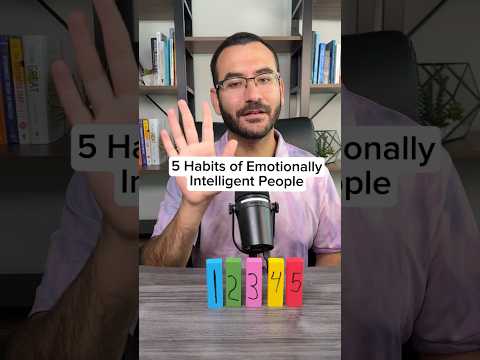
So, you ever feel like your emotions are running the show? Yeah, me too. It’s like one minute you’re fine, and the next you’re on a rollercoaster.
Este blog ofrece contenido únicamente con fines informativos, educativos y de reflexión. La información publicada no constituye consejo médico, psicológico ni psiquiátrico, y no sustituye la evaluación, el diagnóstico, el tratamiento ni la orientación individual de un profesional debidamente acreditado. Si crees que puedes estar atravesando un problema psicológico o de salud, consulta cuanto antes con un profesional certificado antes de tomar cualquier decisión importante sobre tu bienestar. No te automediques ni inicies, suspendas o modifiques medicamentos, terapias o tratamientos por tu cuenta. Aunque intentamos que la información sea útil y precisa, no garantizamos que esté completa, actualizada o que sea adecuada. El uso de este contenido es bajo tu propia responsabilidad y su lectura no crea una relación profesional, clínica ni terapéutica con el autor o con este sitio web.
And honestly, that can be a total buzzkill in relationships. Whether it’s with friends, family, or that special someone, when emotions take over, things can get messy fast.
But here’s the deal: managing those feelings doesn’t have to be rocket science! It’s more about getting in touch with what you’re feeling and learning to express it without losing your cool—or your connections.
I remember a time when I snapped at a friend over something silly. It hit me later that I was stressed out about work, not about them at all. Ugh!
So let’s chat about how being a little mindful of our emotions can seriously boost our relationships and overall happiness. Sound good?
Managing Emotions for Stronger Relationships: Practical Strategies and Insights
Managing emotions can feel like juggling flaming torches sometimes, especially when it comes to relationships. You know? It’s totally normal to feel overwhelmed or unsure about how to keep your emotions in check while still connecting with others. If you’re ever in a heated moment and think, “Wow, I really need to calm down!”, you’re not alone. There are practical ways to navigate those feelings better.
Recognizing Your Emotions is the first step. When you’re feeling something intense, take a moment to pause and label what it is you’re feeling. Are you angry? Sad? Frustrated? It’s kind of like trying to identify the special abilities of a character in a game—you don’t want to use your power-ups without knowing what they do! The more you understand your emotions, the easier it will be to manage them.
Practice Deep Breathing. Seriously, this one is underrated. When you’re stressed or upset, stop and take a few deep breaths. Inhale for six seconds, hold for two seconds, then exhale for seven seconds. It’s like resetting the game when things get too chaotic! You’ll find that taking even just a minute can help clear your head.
- Use «I» Statements: Instead of saying “You never listen,” try “I feel unheard when we talk.” This can prevent the other person from getting defensive.
- Journaling: Sometimes writing down your feelings can help clarify what you’re experiencing. It’s like sharing hints and tips with yourself!
- Set Boundaries: It’s okay to say no or ask for some space when things get too intense. Imagine having game rules—you gotta set some boundaries so everyone knows how to play fair!
A little story for you: One time my friend Amy was super frustrated with her partner over something minor—like who left the dishes in the sink—classic right? Instead of blowing up during dinner, she decided to write down her feelings first. By expressing her frustrations on paper instead of during an argument, she was able to see that it wasn’t about the dishes at all but about feeling undervalued in their partnership. Talking it out after that made all the difference.
Empathy is Key. Try putting yourself in somebody else’s shoes (or game). What might they be feeling? Recognizing their perspective can cool your emotional reactions and enhance understanding between both of you.
A quick side note: if emotions become overwhelming—like if you’re struggling with anger issues or anxiety—it might be helpful to talk with someone who knows their stuff (like a professional). Sometimes we all need an extra life bar!
Lastly, Stay Present. Focus on what’s happening right now instead of dwelling on past arguments or potential future conflicts. Think about each moment as its own level in a video game; conquer one level before moving on! Mindfulness techniques can help keep you grounded.”
All these strategies not only make communication smoother but also strengthen those precious bonds between people—be it friends, family members or partners. So remember: managing emotions may take practice but it’s totally worth it for stronger relationships!
Understanding the 4 Pillars of Emotional Wellbeing: A Guide to Building Resilience and Balance
Emotional wellbeing is super important for living a balanced life. It helps you connect with others, navigate challenges, and cope with stress. Think of it as the foundation of your emotional house – without a solid base, everything can feel shaky. So, let’s break down the 4 pillars of emotional wellbeing together and see how they help us manage our emotions.
- Self-Awareness: This is all about understanding your own feelings and reactions. Imagine you’re playing a game, like that classic emotional rollercoaster known as “The Sims.” When your character feels sad or happy, you notice it and react accordingly. Being self-aware means recognizing those feelings in yourself. When you know what triggers your emotions, you can take steps to manage them better.
- Self-Regulation: Okay, so once you’re aware of those feelings, it’s time to learn how to control them! Think of it like managing resources in a strategy game—it’s all about making smart choices! If something annoys you at work—like a project deadline—you might feel frustration rising. Instead of exploding at your coworker like an angry video game character, try taking deep breaths or stepping outside for a moment. That’s self-regulation in action!
- Empathy: This pillar deals with understanding others’ emotions. It’s about stepping into someone else’s shoes—kind of like having an invisible joystick that lets you control another character’s reactions. For example, if a friend seems upset after losing their favorite game match, instead of brushing it off or saying «it’s just a game,» try listening and offering support instead! Empathy helps strengthen your relationships and build trust.
- Social Skills: This one is all about how we interact with others and build connections—think teamwork in any co-op game! Having good social skills means knowing how to communicate clearly and effectively. It also involves knowing when to be assertive or when to compromise. For instance, if there’s a disagreement among friends on what movie to watch, instead of forcing your choice on everyone (which could lead to drama), practice some negotiation skills! Suggest alternatives that could work for everyone.
Now you may be wondering why these pillars are crucial for managing your emotions better? Well, when you nurture each one, you’re not only improving yourself but also enhancing the quality of your relationships! Strong relationships are key to overall wellbeing—they provide support during tough times and celebrate successes during good ones.
You know what? Building resilience isn’t just about facing big life challenges; it’s also about daily interactions and handling stress effectively. Imagine you’re trying out for the school play but feeling nervous; employing self-awareness can help pinpoint those nerves while self-regulation helps calm those butterflies in your stomach!
Acknowledging that everyone struggles sometimes is vital too. If balancing emotions feels overwhelming at times—and it does for many people—it doesn’t mean anything is wrong with you! We all have our ups and downs; seeking professional help doesn’t make you weak; it actually shows strength!
In short, mastering these pillars can genuinely lead to better emotional wellbeing and healthier relationships—like having cheat codes for life’s toughest levels! So take time this week; reflect on which pillar resonates most with you right now and start building some solid emotional foundations!
7 Key Signs of Low Emotional Intelligence and Their Impact on Interpersonal Relationships
Well, let’s talk about emotional intelligence (EI) for a moment. It’s that ability to recognize, understand, and manage our own emotions while also being sensitive to the feelings of others. You know how some people just seem to “get” you? That’s emotional intelligence in action! On the flip side, low emotional intelligence can really mess with your relationships. Here are some key signs that might indicate someone is struggling in this area and how it can impact their connections with others.
- Struggles with Self-Awareness
If you don’t recognize your own feelings, it’s tough to communicate them. Picture a time when you’re feeling upset but can’t quite pinpoint why. This often leads to misunderstandings or miscommunications with friends or family. They see you as distant or moody without realizing it’s not them; it’s just you battling your emotions.
- Difficulty Expressing Emotions
Ever play a game where you’re trying to guess what someone else is thinking? That’s what it feels like when someone with low EI can’t express their feelings clearly. Imagine trying to talk to a friend who only gives one-word answers. Frustrating, right? They might have so much going on inside but can’t find the words, leading others to feel confused or shut out.
- Lack of Empathy
When you’re unable to empathize, it’s like wearing blinders—you’re missing the bigger picture of other people’s emotions. If you see someone upset and think they just need to «get over it,» you’re likely dismissing their feelings completely. This can make friends or loved ones feel invalidated or less important in your eyes.
- Overreacting Emotionally
You know those moments when a minor issue spirals into a full-blown drama? Yeah, that’s often due to low EI. Someone might react intensely when they feel ignored or criticized because they lack the tools to handle those feelings appropriately. It creates unnecessary tension and leaves people tiptoeing around them.
- Poor Conflict Resolution Skills
Think of conflicts as mini-boss battles in a video game—you need strategy! Those lacking emotional intelligence struggle here; they might either avoid conflict altogether or blow up instead of addressing issues calmly and rationally. This often leads to resentment building up over time since nothing gets resolved properly.
- Difficulty Reading Social Cues
Imagine trying to figure out if someone is joking or serious without hearing their tone—it can be nearly impossible! People with low EI miss these social cues all the time, leading them into awkward interactions and sometimes even hurting people’s feelings without meaning to.
- Struggling with Change and Adaptability
Life’s full of changes—some small, some huge—and when someone lacks emotional intelligence, adapting can be like solving a riddle without any clues! This rigidity makes relationships tricky because being flexible is key in maintaining strong connections with others through ups and downs.
All these signs wrap up into this bigger picture: When emotional intelligence isn’t developed fully, it impacts relationships deeply—sometimes even leading people away from one another instead of pulling them closer together. But hey, it’s not hopeless! With some awareness and effort—like practicing how we express ourselves—you can improve not just your own well-being but also enrich your relationships along the way.
Remember though: if you’re finding yourself stuck despite all efforts at improving EI skills—it could be helpful talking things out with a professional who gets this stuff inside-out! So keep working on managing those emotions for better connections.
You know, managing your emotions is like walking a tightrope sometimes. It can be tricky, especially when you’re dealing with relationships. I mean, we all have those moments when our feelings just take over, right? Like that time I got into a little spat with my best friend over something so silly. It was one of those “I can’t believe you’re mad at me for this!” situations. But honestly, it wasn’t the situation; it was how we both reacted to it.
When emotions run high, it’s easy to lose sight of what really matters. You might find yourself saying things you don’t mean or feeling overwhelmed by anger or sadness. But here’s the catch: our emotions are powerful tools. They can help us connect with others and understand ourselves better if we manage them wisely.
Think about this: every time you feel something—be it joy, frustration, anxiety—it’s like your mind sending you a little note saying “hey, pay attention!” But if you’re not careful, those notes can turn into full-blown letters of chaos that cloud your judgment.
So how do we strike that balance? One way is to take a step back and breathe. Seriously! A couple of deep breaths can work wonders. Just think about how much clearer things feel when you’re not in the heat of the moment.
It’s also super helpful to label your emotions—yep, sounds kind of silly at first but hang in there with me! When you say “I’m feeling anxious” or “I’m really sad,” it takes away some of the power those feelings have over you. It’s like turning on a light in a dark room; suddenly things don’t seem so scary anymore.
Building emotional awareness not only helps with everyday interactions but also improves your relationships overall. You start recognizing patterns in how people react and respond to emotions, which is like getting an insider’s view on what makes them tick. And guess what? That understanding fosters connection and empathy between people.
All in all, managing your emotions isn’t just about keeping yourself cool; it’s about nurturing those ties that mean so much to us! The more in tune you are with yourself and others’ feelings, the richer those connections will be—and who wouldn’t want that?
Just remember: everybody has tough days filled with mixed up feelings but learning to ride the emotional wave can lead to smoother sailing in relationships for sure! So yeah, let’s keep practicing this together—we’re all on this journey hand in hand!