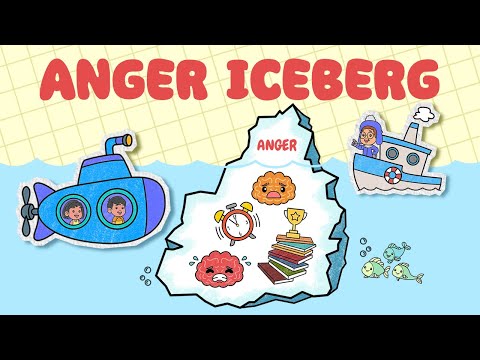
So, let’s talk about anger for a second. You know that feeling when your blood is boiling? Yeah, we’ve all been there. Seriously, it’s like an explosion waiting to happen!
Este blog ofrece contenido únicamente con fines informativos, educativos y de reflexión. La información publicada no constituye consejo médico, psicológico ni psiquiátrico, y no sustituye la evaluación, el diagnóstico, el tratamiento ni la orientación individual de un profesional debidamente acreditado. Si crees que puedes estar atravesando un problema psicológico o de salud, consulta cuanto antes con un profesional certificado antes de tomar cualquier decisión importante sobre tu bienestar. No te automediques ni inicies, suspendas o modifiques medicamentos, terapias o tratamientos por tu cuenta. Aunque intentamos que la información sea útil y precisa, no garantizamos que esté completa, actualizada o que sea adecuada. El uso de este contenido es bajo tu propia responsabilidad y su lectura no crea una relación profesional, clínica ni terapéutica con el autor o con este sitio web.
Maybe someone cut you off in traffic or your co-worker just doesn’t get it. It’s frustrating! But here’s the catch – anger isn’t just about rage and yelling; it can be kinda tricky.
Ever felt that rush of heat along with a racing heart? That’s your body doing its thing. Understanding what’s going on inside can really help you keep things cool and collected.
You’re not alone in this! Managing those intense moments can change everything. So, what do you say we dig into recognizing and handling your emotions better? Trust me, it can make life a lot smoother.
Understanding the 3 3 3 Rule for Anger Management: A Practical Guide
Feeling angry? It’s normal. But if you’re looking for a way to manage that anger, the 3 3 3 Rule can be pretty helpful. This technique isn’t about ignoring your feelings. Instead, it encourages you to acknowledge and deal with them in a healthy way.
So, what’s the 3 3 3 Rule all about? Here’s the scoop:
- Three things you can see: When your anger flares up, try to focus on three things around you that you can see. Maybe it’s a clock ticking on the wall or a picture of your pet. This helps ground you in the present moment.
- Three things you can hear: Now, shift your attention to three sounds in your environment. Is there music playing? The hum of a fan? Or maybe even distant laughter? This auditory cue takes your mind off the anger and puts it back in perspective.
- Three things you can feel: Finally, identify three things that you can physically feel. It could be the weight of your shoes on your feet or the cool breeze brushing against your skin. Engaging with these sensations helps reconnect with reality.
This simple practice is like playing a calming game in your mind! Think of it like pausing a video game when things get intense; it gives you time to breathe and refocus on winning instead of losing control.
Now, let’s talk about why this works. Anger is an emotional response that often comes from feeling threatened or frustrated. When you’re able to step back and redirect your focus using the 3 3 3 Rule, you’re essentially telling yourself that it’s okay to calm down before reacting impulsively.
I remember one time I got super frustrated while waiting at a long line at my favorite coffee shop… I mean, c’mon! I was ready to rant until I noticed some art hanging on the wall. So instead of fuming over my latte delay, I thought about how cool those colors looked—totally took me outta my headspace!
You know what? If this feels too tough or overwhelming sometimes (and hey, it might), talking to someone—like a trusted friend or mental health professional—can really help clear things up too! So keep that option open if needed.
The 3 3 3 Rule: it’s practical and simple! Just remember, it’s not going to take away every angry feeling overnight but using it regularly might help build healthier responses over time. In the end, being aware of how you respond is key.
If nothing else works and you’re still feeling stuck in an emotional rollercoaster, don’t hesitate to reach out for professional support—there’s no shame in needing extra help navigating those tricky feelings!
Recognizing and Managing Emotions: A Practical Guide to Emotional Awareness
Recognizing and managing your emotions is a powerful skill. It’s like leveling up in a video game; the better you get, the more challenges you can handle! So, let’s break down how to become your own emotional guide.
Identify Your Emotions
First, it’s crucial to recognize what you’re feeling. Emotions can be tricky little gremlins that sneak up on you. Take anger, for instance. You might think you’re just frustrated about something small when, in reality, it’s masking deeper feelings—like sadness or fear.
Start by checking in with yourself. Ask questions like: «What am I feeling right now?» or «What triggered this emotion?» This self-reflection is key to understanding your emotional landscape. You know what? Sometimes just naming the emotion can help lessen its power over you.
Understanding Triggers
Next up: knowing what sets off these emotions. For example:
When you start noticing patterns around these triggers, then managing them becomes way easier. It’s like noticing which enemies keep taking you out in that favorite game of yours—you wouldn’t go into battle unprepared again!
Physical Reactions Matter
Ever noticed how your body reacts when you’re angry? Clenched fists, racing heart—classic signs! Being aware of these signals can act as early warning systems.
Take a moment when those physical cues pop up and practice deep breathing. Seriously, just slowing down and inhaling deeply can shift your whole vibe!
Coping Strategies That Work
Once you’ve identified your emotions and triggers, it’s time to manage them effectively. Here are some practical strategies:
These are like cheat codes for navigating life without losing your cool.
Acknowledge It All
Don’t forget: every emotion has its place—even the tough ones like anger! Instead of pushing it away or pretending it doesn’t exist, acknowledge it. Think of anger as a signal that something needs attention.
For example, if a friend cancels plans last minute and makes you feel angry, dig deeper! Maybe it’s not just about the canceled plans but something more personal—you wanted connection at that moment.
Nurturing Emotional Awareness
Finally—growing emotional awareness is like building muscle; it takes time! Keep practicing self-reflection daily. Journaling helps too; write down things that made you feel something every day—anger included!
Remember: There’s no one-size-fits-all solution here, and if feelings ever become overwhelming or hard to handle alone? Please reach out for professional help! They’re equipped to guide you further.
In short, recognize those sneaky gremlins called emotions by tuning in deeply to yourself. Understand what triggers them through observation—and then manage them with effective strategies that fit YOU best! You’ve got this!
Understanding Emotional Management: Strategies for Identifying and Regulating Your Feelings
Emotional management can feel a bit tricky sometimes, right? We all experience a whirlwind of feelings every day. Some days, you might be riding high on joy; other days, it’s like you’re stuck in a swamp of frustration or sadness. So, how do we get a grip on this emotional rollercoaster? Let’s break it down.
First off, one key part of emotional management is recognition. You’ve gotta first notice what you’re feeling. It’s kind of like when you’re playing your favorite video game, and you realize your health bar is low. If you don’t pay attention to that, well, game over! So let’s say you’re feeling angry — what does that look like for you? Do your fists clench? Does your heart race? Maybe you snap at friends. Acknowledging these signs is the first step.
Once you’ve recognized that anger or any other emotion, the next step is tagging it. This means naming your emotions: “I’m feeling angry” or “I’m really sad right now.” It sounds simple but giving a name to what you’re feeling can actually help create some distance from it. Like calling it by its name takes away some of its power over you.
Now that you’ve identified how you’re feeling, let’s talk about regulating those emotions. Here are some strategies that can help:
- Breathe: Seriously, take a moment and breathe deeply. Inhale through your nose for four counts, hold for four counts, then exhale through your mouth for another four counts. This calms your nervous system.
- Talk it out: Find someone you trust and share how you’re feeling. Sometimes just voicing those emotions makes them feel less overwhelming.
- Physical Activity: Get moving! A run or even dancing around the living room can shake off those negative vibes.
- Meditation: Sitting quietly and focusing on the present can help ground yourself when emotions run high.
- Create Art: Sometimes putting pen to paper or paint to canvas helps express feelings better than words.
Try these out next time you feel yourself getting heated or overwhelmed!
And hey, here’s something important to keep in mind: everyone has bad days! Remember my friend Joe? One time he was so angry after an argument; he just stormed off instead of dealing with it right away. He realized later that talking about his feelings could’ve cleared things up faster — kind of a lesson learned there!
Lastly, I want to emphasize: This isn’t a substitute for professional help. If managing emotions becomes too much or begins interfering with daily life, seeking support from a therapist is totally okay and can really make a difference.
So remember this: recognizing and regulating feelings is like leveling up in a game — each time you practice these skills; you’re building resilience! Keep going; it’s all part of being human!
You know, anger is such a universal emotion, yet it can feel so isolating sometimes. I mean, we all have those moments, right? Like that time a friend said something really insensitive and it hit you straight in the gut. You feel that heat rising in your chest and suddenly you’re questioning everything about your friendship. It’s wild how quickly emotions can ramp up like that.
Recognizing anger is the first step to dealing with it effectively, but man, it can be tricky! Sometimes you might not even realize you’re angry until it’s bubbling over. You might notice your heart racing or your fists clenching. Those body signals are like your personal alarm system going off! And let’s be real here—sometimes we don’t want to admit we’re angry because then we have to face whatever’s making us feel that way.
So why is managing anger important? Well, when we don’t deal with our feelings, they can spill out in ways we didn’t intend. Picture this: you’re having a rough day and someone accidentally bumps into you at the grocery store. Instead of brushing it off, you snap at them like it’s their fault life threw you a curveball. Not cool, right? That’s why learning to manage emotions helps keep our relationships intact and our stress levels down.
But how do you calm the fire once it’s lit? Breathing is one of those simple tricks that works wonders—like taking deep breaths in through your nose and out through your mouth. It’s almost like giving yourself a mini-reset button! Or maybe try writing down what’s bothering you; sometimes just seeing those thoughts on paper makes them less overwhelming.
Talk about an emotional rollercoaster! The reality is we all get angry from time to time—it’s part of being human. Acknowledging that anger doesn’t make you a bad person; it makes you real. Just remember to pay attention to how you’re feeling and give yourself space to process it before reacting. Seriously, you’ll thank yourself later for keeping things chill instead of letting them blow up!


