You ever sit back and just wonder?
Este blog ofrece contenido únicamente con fines informativos, educativos y de reflexión. La información publicada no constituye consejo médico, psicológico ni psiquiátrico, y no sustituye la evaluación, el diagnóstico, el tratamiento ni la orientación individual de un profesional debidamente acreditado. Si crees que puedes estar atravesando un problema psicológico o de salud, consulta cuanto antes con un profesional certificado antes de tomar cualquier decisión importante sobre tu bienestar. No te automediques ni inicies, suspendas o modifiques medicamentos, terapias o tratamientos por tu cuenta. Aunque intentamos que la información sea útil y precisa, no garantizamos que esté completa, actualizada o que sea adecuada. El uso de este contenido es bajo tu propia responsabilidad y su lectura no crea una relación profesional, clínica ni terapéutica con el autor o con este sitio web.
I mean, really wonder about life? Like, what’s it all about?
You know, those big questions that poke you in the brain when you’re not busy scrolling through your phone.
Why are we here? What’s the deal with happiness? And what even is love, anyway?
It’s like a kaleidoscope of thoughts swirling around. Crazy, right?
Well, let’s take a moment to engage with those questions. Dive in together—no need for fancy jargon or philosophical jargon. Just you and me pondering life’s puzzle!
Exploring Life’s Great Philosophical Questions: Insights and Implications for Understanding Human Experience
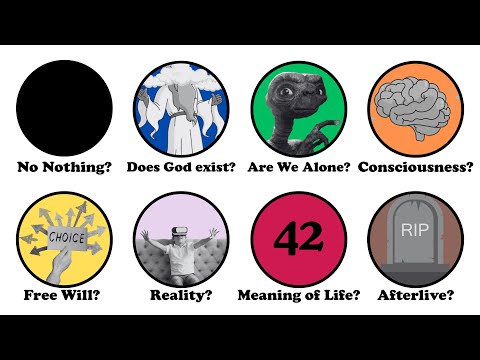
Life is full of big questions, isn’t it? You know, the kind that makes you stop and think. Questions like «What is the meaning of life?» or «Do we have free will?» These inquiries have haunted humanity for ages. And honestly, engaging with them can provide some pretty cool insights into our experiences.
Meaning of Life: Let’s start here. This one’s a tough cookie! The meaning of life has been debated by philosophers, scientists, and everyday folks like you and me. Some say it’s about finding happiness, while others believe it’s about serving a greater purpose. Take Viktor Frankl’s perspective—he pointed out that even in suffering, we can find meaning through our choices and attitudes. It’s a reminder that our personal experiences shape how we view life’s significance.
Free Will vs Determinism: Now onto free will. Do you really make your own choices? Or are they pre-determined by genetics or environment? This debate can feel like a tug-of-war in your head. Imagine playing a video game where every choice feels real but ultimately leads to the same outcome because of hidden rules programmed into the game. That’s kind of how this philosophical question plays out in real life.
Moral Responsibility: With free will comes moral responsibility—if you made those choices freely, should you be held accountable for them? Think about your actions when playing games; if your character messes up because of what you decided, there’s usually some consequence involved. Likewise, in real life, our decisions reflect who we are and what we believe.
The Nature of Reality: Ever thought about what’s real? Philosophers like Descartes famously pondered this with his idea «I think, therefore I am.» Reality can sometimes feel as shaky as playing an intense round on an unpredictable game level—what’s around us might be influenced by perception rather than objective truth! Our senses can deceive us; understanding this helps us navigate through experiences with a bit more wisdom.
Existentialism: This brings me to existentialism which asks how we find meaning when faced with the void or absurdity of life. Think about it; you’re thrown into an open-world game where quests are endless and choices are yours to make without any specific direction! You need to create your own path—and that’s kind of like real life too!
The Power of Connection: Also worth mentioning is human connection—the idea that relationships deepen our understanding of existence. The bonds we form help address those big questions together! Whether it feels joyous or painful, every connection teaches us something about ourselves and others.
So here’s the deal: delving into life’s big philosophical questions isn’t just mind-boggling—it’s seriously enriching! They give us glimpses into what it means to be human and help us connect different dots in our lives._Remember though_, while reflecting on these ideas is valuable, they don’t replace professional support when needed.
- Meaning of Life: It’s shaped by personal experiences.
- Free Will vs Determinism: A debate on choices and outcomes.
- Moral Responsibility: You’re accountable for your actions.
- The Nature of Reality: Perception shapes understanding.
- Existentialism: Finding meaning amidst uncertainty.
- The Power of Connection: Relationships enrich understanding.
Engaging with these questions encourages growth and reflection—you know? Just keep pondering those mysteries because they shape your journey through life beautifully!
Exploring the Six Fundamental Questions in Philosophy: A Guide to Understanding Their Psychological Impact
Philosophy’s got this knack for digging deep into life’s big questions, right? It’s like when you’re chilling with friends and one of them suddenly asks, “What’s the meaning of life?” You might laugh it off, but those questions can really stick with you. They can open up a whole world of thoughts about who we are and how we connect with each other. Let’s break down six fundamental questions in philosophy and see how they tap into our psychology.
1. What is reality?
This one’s a real brain-bender. Reality is more than what you see; it’s shaped by your perceptions and experiences. Think about it: if you’ve ever played a video game, what makes that world feel real? The graphics? The storyline? Your connections to the characters? Well, similarly, in life, reality can be a mix of perceptions influenced by personal experiences. Our understanding of reality impacts our emotions and beliefs—like when someone sees the glass as half-full while another sees it as half-empty.
2. What is knowledge?
Knowledge isn’t just about facts; it’s also about understanding and interpretation. Ever sat down to study for an exam but realized you’re just memorizing terms without really getting them? That struggle reflects how knowledge works—it’s not enough to know something; you’ve gotta engage with it too! This idea also ties into your confidence levels; the more you understand something deeply, the more secure you’ll feel discussing or applying it.
3. What is morality?
Morality shapes your sense of right and wrong—it’s that inner voice telling you whether to share your snack or keep it all for yourself! In different cultures, moral standards can shift dramatically. When you’re faced with dilemmas (like choosing between helping a friend or following rules at work), those moments highlight how your values shape decisions and which moral frameworks influence your thinking.
4. What is purpose?
Finding purpose feels like chasing that elusive extra life in a video game—super tempting and often tricky! Your sense of purpose can guide your actions and motivations throughout life. When people don’t feel connected to their purpose, anxiety may creep in, making day-to-day tasks seem daunting or meaningless.
5. What is consciousness?
Consciousness dives deep into who we are at our core—think of it like your character profile in an RPG! It’s all about self-awareness: recognizing thoughts, feelings, desires… everything that makes us tick! Some philosophers argue that consciousness might not even be fully understandable. This plays into mental health too; awareness of thoughts can either empower us or trap us in cycles of anxiety or depression.
6. What is happiness?
Exploring the Four Essential Questions of Life: Insights and Psychological Implications
Life can feel like one big puzzle sometimes, right? And just like any tricky game, it’s full of those essential questions that keep popping up. These questions often shape how we view ourselves and the world. So, let’s break down the four essential questions of life and see what they can tell us about ourselves.
- Who am I? This is basically an identity check! Understanding who you are isn’t just about your name or job; it’s about values, beliefs, and experiences. Think about the last time you felt really proud of yourself or maybe embarrassed. Those moments shape your sense of self. Like in a role-playing game where each decision impacts your character’s development; every experience adds depth to your real-life persona.
- Why am I here? Ah, the classic existential question! This dives into purpose and meaning. Some find their purpose in work, art, or family. Others take longer to discover what drives them. Picture it like a quest in a video game; you’re searching for that ultimate goal that gives your actions significance—like leveling up your character to face tougher challenges ahead!
- What is real? Now this one can twist your brain a bit! What you consider «real» can depend on your perceptions and beliefs. For instance, let’s say you think all people are good because of your upbringing—this shapes how you interact with others. It’s kind of like playing a game where the rules change based on the level you’re at; reality shifts depending on experiences and perspectives.
- What happens when we die? This question stirs up emotions for everyone. Different cultures have unique beliefs about life after death—which can impact how people live their lives now. Like in some games where characters face consequences for their actions—if you messed up in-game, you’d need to rethink strategies; similarly, pondering mortality can encourage more mindful living.
The thing is, grappling with these questions isn’t just philosophical chat—it has real psychological implications too! If you’re stuck on finding answers to these queries, it could reflect deeper feelings of confusion or uncertainty in your life.
I remember talking to a friend who was super lost after college graduation; they couldn’t pinpoint what they wanted to do with their life. It was like they were playing a game without knowing the objective! After some heart-to-heart chats about these essential questions, they began exploring different paths instead of stressing over making one wrong choice.
This exploration helps build resilience and self-awareness too! You start discovering what truly matters to you by reflecting on these big questions. Remember though—it’s always good to chat with professionals if these feelings get overwhelming.
All in all, engaging with these four essential questions might just lead you to deeper understanding—and maybe even some peace along the way! And hey: it’s perfectly okay not to have all the answers right now.
You know, there are moments in life when you just sit back and think about the big stuff—like, what’s the meaning of it all, or why are we even here? I mean, we all have those late-night conversations with friends that drift into deep waters. It can be a bit heavy but also kinda exciting. Finding answers to these questions isn’t about getting it right; it’s more like exploring.
Take my buddy Sam for example. One night, over a couple of cups of coffee (okay, maybe a few too many), we started talking about existence. He had this wild idea that life is like one big game where we’re all trying to figure out the rules as we go. I couldn’t help but laugh because it’s so true! Sometimes you score big with your career or relationships; other times you fumble and feel totally lost.
Now, engaging with these questions can seem daunting at first. But it’s like opening a door to a room full of curiosities! You might wonder why bad things happen or how we define happiness. You might grapple with your own purpose in this chaotic world. It’s kind of like digging through layers of soil—sometimes it gets messy before you find those shiny gems of insight.
The thing is, when you dive into these reflections, you’re not just mulling over abstract ideas—you’re actually piecing together your own beliefs and values. This process shapes how you view the world and interact with people around you. And hey, it doesn’t have to be all serious! You can laugh at the absurdity of life too; after all, isn’t that part of the joy?
You might find comfort in philosophies from ancient thinkers or modern-day dreamers—whatever speaks to you. It’s super personal! And don’t stress if your thoughts change over time; that’s natural too!
So next time you’re hanging out and drifting into philosophical territory, embrace it! The questions themselves—those nagging little wonders—are often more important than any answers you might come up with. Seriously, let them guide your journey through life because they just might lead to some amazing revelations about who you are and what truly matters to you!