So, you know those days when you just can’t figure out why you’re feeling a certain way? Yeah, we’ve all been there. It’s like you’re chasing something but can’t quite grasp it.
Este blog ofrece contenido únicamente con fines informativos, educativos y de reflexión. La información publicada no constituye consejo médico, psicológico ni psiquiátrico, y no sustituye la evaluación, el diagnóstico, el tratamiento ni la orientación individual de un profesional debidamente acreditado. Si crees que puedes estar atravesando un problema psicológico o de salud, consulta cuanto antes con un profesional certificado antes de tomar cualquier decisión importante sobre tu bienestar. No te automediques ni inicies, suspendas o modifiques medicamentos, terapias o tratamientos por tu cuenta. Aunque intentamos que la información sea útil y precisa, no garantizamos que esté completa, actualizada o que sea adecuada. El uso de este contenido es bajo tu propia responsabilidad y su lectura no crea una relación profesional, clínica ni terapéutica con el autor o con este sitio web.
That’s where Need Theory comes in! It’s all about what drives us as humans. I mean, seriously, have you ever stopped to think about what really motivates your choices, big or small?
In this chat, let’s break down those insatiable needs that tug at us. We’ll dive into why sometimes we go for a piece of chocolate cake instead of salad—spoiler alert: it’s not just the cake’s fault!
So buckle up! We’re about to explore how these needs shape who we are and how we behave every day. You with me?
Understanding Human Motivation Through Maslow’s Hierarchy of Needs
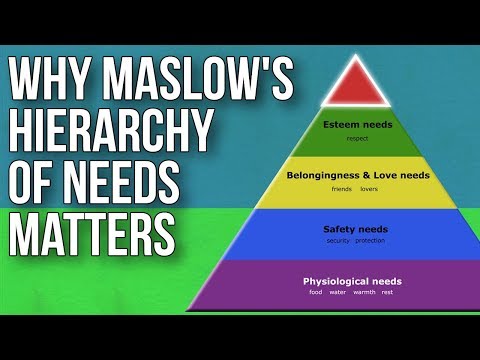
Motivation is such a fascinating topic, don’t you think? One theory that really stands out when we talk about why we do what we do is **Maslow’s Hierarchy of Needs**. Basically, it’s like a pyramid that shows how our needs stack up against each other. When you satisfy the lower levels, you can focus on the upper ones.
Let’s break it down from the bottom to the top.
- Physiological Needs: These are your basic survival needs, like food, water, and sleep. Imagine playing a video game where your character starts with no health or energy—if you don’t find food or rest, you’re not going to get very far!
- Safety Needs: Once those basic needs are met, you move up to safety. This includes emotional security and health. Think about a cozy home base in a game where you feel safe from enemies; it’s kind of the same deal in real life.
- Love and Belonging: Now we’re talking about relationships! This level is all about connection—friends, family, and intimacy. Picture yourself in an online game where teamwork is essential; without communication and relationships with other players, winning becomes super difficult.
- Esteem Needs: Next up is self-esteem and recognition. Everyone wants to feel valued for their skills or contributions. Just like in games where you earn badges or achievements; it boosts your confidence when others recognize your efforts!
- Self-Actualization: Finally, at the top of the pyramid is self-actualization—achieving one’s full potential. It’s like leveling up in life! When you become who you’re meant to be and pursue passions—it feels amazing!
But here’s the thing: not everyone climbs this pyramid in order! Life isn’t always neat and tidy like that. Sometimes people can struggle with their basic needs while still yearning for love or esteem.
Let me share a quick story—my friend Amy once went through a tough phase when she lost her job. She was stressed about meeting her physiological needs (like paying rent) but still tried to maintain her friendships because they provided emotional support during that time. In that moment, she was juggling multiple levels of Maslow’s hierarchy all at once!
When we understand these needs better, we can see why people behave the way they do sometimes. If someone feels unsafe or unfulfilled at work (hello safety and esteem!), it might affect how they interact with others.
But hey, just keep in mind this isn’t professional therapy advice! If you’re ever feeling really stuck or overwhelmed by any part of this hierarchy—or anything else—seeking help from a mental health professional can make all the difference.
So there ya go! Maslow’s Hierarchy of Needs isn’t just some old theory; it’s pretty relevant if you take a closer look at everyday motivations—from finding your next snack to striving for your biggest dreams! How cool is that?
Understanding the Basic Needs Theory of Motivation: A Psychological Perspective
You know how sometimes you’re just feeling off? Like, maybe you can’t figure out why you’re not motivated to get out of bed or tackle that project? Well, there’s this thing called Basic Needs Theory, and it’s all about what drives us as humans. Interested? Let’s break it down!
Basically, this theory suggests that our behavior is driven by a series of needs. But it’s not just about putting food on the table or having a roof over your head. The classic framework is often credited to Abraham Maslow, who outlined these needs in a pyramid form. At the bottom are your basic physical needs, and as you move up the pyramid, the needs get more complex.
- Physiological Needs: These are your survival essentials: food, water, shelter, sleep. If you’re hungry or tired, it’s hard to focus on anything else.
- Safety Needs: Once your basic needs are met, feeling secure becomes important—think of job security, health insurance, and a safe environment.
- Love and Belonging: Humans crave connections—family, friendships, even communities. Isolation can really mess with your motivation.
- Esteem Needs: This includes self-esteem and recognition from others. Feeling good about yourself boosts motivation like crazy!
- Self-Actualization: Finally reaching for your potential! This is all about wanting to grow and improve yourself.
The thing is—if one need isn’t met? It can throw everything else out of whack! Imagine trying to play a game when the controller is malfunctioning. Makes it tough to win! Like in life; if you’re stressed about safety or lacking company from friends and family, going after those higher-level goals can feel impossible.
I remember one time feeling super unmotivated because I was worried about my job security. Even simple tasks felt daunting as I kept doubting myself. Once I found some stability at work—in terms of support from colleagues—it felt like a weight lifted off my shoulders. My motivation suddenly shot up! I was back at my projects with fresh energy (and maybe too much coffee), ready to take on challenges.
This theory also helps explain why some people seem so driven while others struggle despite having similar circumstances. Maybe they’ve got their lower-level needs all squared away while others are still stuck trying to find solid ground.
If you’re ever feeling lost in the motivation department (hey we all go through that), taking a moment to check in on where you stand with these basic needs might give you some insight into what’s missing—or what might need your attention first before reaching for those higher goals!
But remember! This isn’t professional advice; if you’re feeling persistently stuck or overwhelmed by these feelings, chatting with someone trained can really help set things right again!
The journey through our motivations is unique for everyone but figuring out where we stand in this basic needs landscape? That could open doors you didn’t even know were there!
Understanding Human Motivation and Behavior: Key Theoretical Frameworks and Practical Examples
Motivation is such a powerful force in our lives. It shapes what we do every day, from getting out of bed to pursuing our dreams. When we talk about motivation, one important theory comes into play: **Need Theory**. This idea revolves around the different needs that drive our behavior. Let’s break it down together.
Need Theory posits that humans are motivated by a series of needs that must be met for us to feel fulfilled and content. A classic thinker in this space is Abraham Maslow, who came up with a hierarchy of needs. Picture a pyramid with five layers:
- Physiological Needs: These are the basics like food, water, and shelter.
- Safety Needs: Once those basics are covered, we crave security and stability.
- Social Needs: Now we’re talking friendship, intimacy, and family connections.
- Esteem Needs: Here’s where self-esteem kicks in—recognition and respect from others matter.
- Self-Actualization: At the top of the pyramid, this is all about realizing personal potential and fulfilling one’s dreams.
So, picture this scenario for a moment: Imagine you’re playing your favorite video game. You start off needing to gather resources (that’s your physiological need). As you progress, you build defenses to keep enemies out (safety needs). Then you form alliances within the game (social needs), gain recognition as a top player (esteem), and ultimately become an expert strategist or unlock all achievements (self-actualization). See how those layers work?
But wait! There’s more! Another well-known approach is **Alderfer’s ERG Theory** which condenses Maslow’s five levels into three categories: **Existence**, **Relatedness**, and **Growth**. Alderfer suggests that rather than strictly climbing up the pyramid, you can actually bounce between levels based on your situation. If you’ve just lost a job (existence need), that can make you crave more social support (relatedness) even while trying to improve yourself through new skills (growth).
Now let’s consider why these theories matter in real life. They help us understand not just what motivates us but also what drives others around us. For example:
- If someone is struggling at work or seems unmotivated, maybe they aren’t feeling safe or respected—that’s where esteem needs come into play!
- If a friend feels lonely or disconnected from others during tough times, their social needs might not be met.
So what does this mean for our everyday interactions? Well, understanding these motivations lets us be more empathetic towards each other.
And hey—don’t forget that while theories like these can offer insight into why people behave certain ways—it doesn’t replace professional help when needed. Sometimes motivation can dip so low that it impacts daily life significantly.
In the end, Need Theory helps paint a clearer picture of human behavior by showcasing how interconnected our needs really are! Whether it’s in your own life or when observing others’ actions—it’s fascinating how often we go back to basic human requirements as drivers for everything we do.
You know, it’s funny how we sometimes don’t even realize what drives us. Like, have you ever found yourself craving a slice of cake because you’re just feeling a bit down? Or maybe you’ve pushed through a tough workday because you want that shiny new gadget? That’s where Need Theory comes in—basically, it’s all about understanding what motivates us and why we behave the way we do.
Need Theory breaks it down into different categories of needs. There’s Maslow’s famous hierarchy, which starts from basic stuff like food and safety, and climbs all the way up to self-actualization—that’s when you’re really living your best life and achieving your potential. I mean, who wouldn’t want that?
Let me share a little story with you. A friend of mine was stuck in a job that was eating away at her spirit—seriously draining her. She had this dream of becoming an artist but felt she couldn’t make that leap. One day she decided to take a class in painting on weekends. Slowly but surely, she started feeling more fulfilled, even if her day job didn’t change right away. That spark of creativity was fulfilling her need for self-expression and growth—you know?
What happens is our needs aren’t always straightforward or linear. Sometimes, people might prioritize social connections over security or esteem over basic comforts. It can get complicated; like when someone stays in an unhealthy relationship because they crave acceptance even more than they want happiness. And yeah, that feels pretty relatable.
The thing is understanding these needs can help us make sense of our own lives and those around us better. If you find yourself overworking, maybe it’s because you’re seeking recognition or trying to establish your worth—it’s not just about the paycheck!
So basically, by recognizing what drives your motivation—and perhaps being a bit kinder to yourself—you can really start making changes that foster more satisfaction in life. All in all, it starts with knowing what you truly need! And that journey can be pretty enlightening if you ask me!