Alright, so imagine this: you’re watching a video, and bam! A quick flash of something important pops up. You blink, and it’s gone. You totally missed it. What just happened?
Este blog ofrece contenido únicamente con fines informativos, educativos y de reflexión. La información publicada no constituye consejo médico, psicológico ni psiquiátrico, y no sustituye la evaluación, el diagnóstico, el tratamiento ni la orientación individual de un profesional debidamente acreditado. Si crees que puedes estar atravesando un problema psicológico o de salud, consulta cuanto antes con un profesional certificado antes de tomar cualquier decisión importante sobre tu bienestar. No te automediques ni inicies, suspendas o modifiques medicamentos, terapias o tratamientos por tu cuenta. Aunque intentamos que la información sea útil y precisa, no garantizamos que esté completa, actualizada o que sea adecuada. El uso de este contenido es bajo tu propia responsabilidad y su lectura no crea una relación profesional, clínica ni terapéutica con el autor o con este sitio web.
That’s kinda what attentional blink is all about. It’s that little moment when your brain is so busy focusing on one thing that it totally overlooks another.
Pretty wild, right? This weird quirk of our minds has fascinated folks for ages. In a world packed with distractions, understanding how we sometimes go blank can be super handy.
So, let’s break down this brainy phenomenon together! You’ll see why it’s not just some random fluke but a glimpse into how our attention really works.
Exploring the Four Models of Attention: A Comprehensive Overview
So, let’s talk about attention. You know, that thing we all kind of struggle with when a million distractions are vying for our focus. It gets even more interesting when you dig into **attentional models**. There are four main ones that everyone seems to refer to, and they help explain how we process information and deal with that annoying thing called **attentional blink**.
1. The Spotlight Model
Think of your attention like a spotlight on a stage. It highlights only certain parts of the scene while leaving others in darkness. This model suggests that you can only focus on one area at a time, but during quick tasks, like spotting an object in a video game, you might miss something just outside your spotlight’s beam.
2. The Zoom Lens Model
Here’s where it gets cool. Imagine you can zoom in with your spotlight! The Zoom Lens Model proposes that when you’re focused on something important, your attention can expand or contract its focus radius. If you’re playing a game and suddenly spot a hidden enemy, your attention zooms in tightly on that enemy while everything else blurs out for a second!
3. The Feature Integration Theory
This one dives into mixing various features like color, shape, and location to recognize objects effectively. It suggests that initially, we perceive features separately before combining them to recognize what we see as a whole. Imagine trying to find a red car among blue ones; at first glance, you’re looking for the color before integrating it with the shape and size.
4. The Multiple Resource Theory
This model is all about multitasking—something we all think we’re champions at! According to this theory, our brains have multiple resources for different types of tasks (like spatial or verbal processing). So when you’re gaming and listening to chat messages simultaneously? You’re using different resources which helps reduce attentional overload.
Now let’s get into **attentional blink** so we can tie it all together! You know those moments when you see something flash by on the screen but totally miss it? That’s attentional blink! Imagine watching two objects appear quickly in succession—sometimes after seeing the first object (let’s say it’s number 1), it takes a moment for your brain to register the second object (like number 2). This little delay is what researchers call “blink.”
So how does that relate back? Well, if you’re focused using the Spotlight Model or zoomed in tight with the Zoom Lens Model, there may be instances where those two objects fall outside your current focus range—bam! You miss number 2 even though you technically saw it.
All in all—and seriously here—the way our mind focuses is intricate yet fascinating. Whether it’s game strategy or just getting through daily life without losing track of what you’re doing, understanding these models gives insight into our struggles with attention spans today!
If any of this resonates or triggers questions about your own experiences with focus and distractions? Chatting with someone more knowledgeable could definitely help clarify things further!
Understanding the 5 Stages of Attention: A Comprehensive Guide
Understanding attention can sometimes feel like peeling an onion—layer after layer, and maybe a few tears along the way. A key concept in this field is the **Attentional Blink**. This refers to a brief period right after we notice one thing when we can’t see other things that come up right after it. Imagine you’re playing a fast-paced video game, and you just saw an enemy pop up on screen; if another enemy appears almost immediately, there’s a good chance you might miss it because your brain is still processing the first one.
So, what are these five stages of attention? Let’s break it down:
- Stage One: Initial Detection
- Stage Two: Focused Attention
- Stage Three: Attentional Blink
- Stage Four: Reorienting Attention
- Stage Five: Sustained Attention
In this stage, your senses pick up on something in your environment. It’s like when you hear your phone buzz; your brain lights up to what’s going on. You might not be aware of everything around you yet, but you’re tuned into that first sound.
Here’s where you zoom in on that detected stimulus. If that buzz turns into a notification from your favorite app, your focus sharpens even more. You start to ignore other sounds; all those background noises fade away.
This is the tricky part! After focusing hard on that notification, anything that comes directly next might just slip by unnoticed. Think about playing a game like “Whack-a-Mole.” You hit one mole really well but miss the next one popping up nearby because your brain is still processing the last hit!
At this point, once you’re done with the previous task, you start to look for new stimuli again. It’s like finishing a level in a game and looking around for where to go next. Your brain reactivates and starts scanning for anything else interesting—like another notification or movement.
Eventually, you’ll settle into sustained attention if something catches your interest enough over time. This could be an engaging article or an intense gaming session where every moment matters. You’re fully focused now—just don’t let any shiny distractions pull you away!
So why does attentional blink even happen? Well, our brains have limited resources—they can only focus deeply on so much at once! When you’re engaged with one task (like reading or gaming), it’s tough to switch gears quickly without missing something else important.
This concept has big implications beyond games too! It affects how we communicate every day—what happens if someone tries to tell us something right after we’re distracted? Yup—you guessed it; they might get missed!
Remember though—it’s completely normal to experience attentional blink sometimes; everyone’s been there at some point! But if you feel like it’s impacting your daily life significantly or causing distress, chatting with someone trained in mental health could provide further insights tailored just for you.
So there you have it—the five stages of attention wrapped up nicely with some enlightening details about attentional blink! Keep them in mind while navigating through life—and who knows? Maybe they’ll help sharpen those focus skills just a bit more!
Comprehensive Guide to Attentional Blink Mechanisms and Effects: PDF Resource for Understanding Cognitive Processing
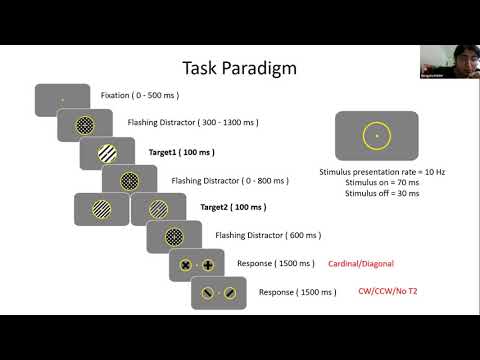
Alright, let’s chat about something pretty interesting – attentional blink. You know, it’s that moment when your brain just doesn’t notice the second of two important stimuli presented in quick succession. It’s like when you’re watching a movie and someone sneaks in a jump scare right after a big explosion. Your brain is still processing that blast and totally misses the scare! Weird, right?
So, to break it down a bit: attentional blink happens when we’re trying to focus on multiple things at once, but our brain can only handle so much at that speed. When you see the first stimulus, your attention spikes. But by the time you’re ready for the second one – poof! It’s like your brain hits the snooze button.
Here are some key points about attentional blink:
- The Timing: Typically lasts around 200-500 milliseconds after spotting the first item.
- The Task: In studies, participants are often shown rapid visual sequences and asked to report certain targets.
- Distractors Matter: If there are distractions between the two stimuli, they can worsen the effect!
A classic example involves showing letters in quick succession on a screen. Let’s say you see an ‘A’, wait a beat, and then an ‘X’ pops up. If another letter comes between them too soon, like ‘B’ or ‘C’, that second target (‘X’) might just slip by unnoticed. You might even feel like you’re losing your mind worrying why you missed it!
This phenomenon isn’t just academic fluff; it highlights how our cognitive processing works under pressure – kind of like playing fast-paced video games where timing is everything! For instance, in racing games, if you’re focused on avoiding crashes while trying to pass other players, you might miss seeing an upcoming obstacle because your attention was too narrowly focused.
Attentional Blink’s Effects:
- Everyday Life: It can affect learning – if you’re cramming info for exams but not taking breaks.
- Distracted Driving: When drivers try to multitask with their phones or passengers; missing critical road signs is a real risk.
This opens up bigger conversations about how we manage our focus in this fast-paced world. Balancing tasks isn’t as simple as we think! And I mean look around—social media feeds are designed to grab our attention every few seconds!
If you’re curious about how this all fits into psychology more broadly or want deeper insights into cognitive processing theories related to this topic without getting bogged down by jargon or fancy terms? Well there are plenty of exciting resources out there—just don’t replace finding professional help with random internet articles! Always best to keep informed yet safe when digging into what makes us tick.
The Bottom Line:
Attentional blink shows us how limited our focus can be and reminds us of the importance of managing distractions effectively—be it during studying or driving or even gaming. So next time something slips through your mental cracks? You know why! It ain’t just you; it’s science at work!
Alright, so let’s chat about something kinda cool and a bit complex: attentional blink. Ever had one of those moments when you’re watching a video or trying to catch something really fast, and suddenly you totally miss the next thing that happens? Yep, that’s attentional blink in action. It’s like your brain is saying, “Whoa, hold up! I need a second to process what just happened!”
Here’s the deal: attentional blink occurs when you’re focused on one thing, like spotting a letter in a quick sequence of letters. While your brain is super busy processing the first target, it might just zone out for the next couple of things. Imagine trying to take a sip of water while simultaneously looking at your phone—only to realize you’ve missed half the conversation happening right in front of you.
I remember once being at a concert, completely absorbed in this amazing guitar solo. Just as I turned my head to see what the drummer was doing, he threw a drumstick into the crowd and I totally missed it. Everyone around me was buzzing about how cool that was while I stood there wondering what I’d just seen. That space between my focus on the solo and trying to catch that stick? Classic attentional blink!
So why does this happen? Well, scientists think it has to do with how our brains process visual information. When we focus hard on something (like that killer guitar solo), our cognitive resources are all tied up trying to make sense of what we’re seeing or hearing. This overload means other information—like that flying drumstick—might just slip through our mental cracks.
And believe it or not, this phenomenon doesn’t just happen with visuals; it can affect your hearing too! Have you ever been talking to someone at a noisy party? You’re deep into your conversation when suddenly someone else chimes in from across the room. If you weren’t paying direct attention to them before they jumped in there’s a good chance you might have missed part of their sentence!
But here’s where it gets interesting: while attentional blink can be frustrating sometimes (who doesn’t want free tickets to good stuff?), it also helps us filter out unnecessary distractions and focus better on what’s important at any given moment.
In the end, paying attention is like juggling—not all balls can be in the air at once! So if you find yourself missing out occasionally? Don’t sweat it too much; it happens to all of us! Just take a breath and try again—there’s always another chance for that drumstick!