Hey! You know how sometimes you do things and can’t really explain why? Like, why do you always reach for that same snack when you’re stressed? Or suddenly get mad at a song that used to make you happy?
Este blog ofrece contenido únicamente con fines informativos, educativos y de reflexión. La información publicada no constituye consejo médico, psicológico ni psiquiátrico, y no sustituye la evaluación, el diagnóstico, el tratamiento ni la orientación individual de un profesional debidamente acreditado. Si crees que puedes estar atravesando un problema psicológico o de salud, consulta cuanto antes con un profesional certificado antes de tomar cualquier decisión importante sobre tu bienestar. No te automediques ni inicies, suspendas o modifiques medicamentos, terapias o tratamientos por tu cuenta. Aunque intentamos que la información sea útil y precisa, no garantizamos que esté completa, actualizada o que sea adecuada. El uso de este contenido es bajo tu propia responsabilidad y su lectura no crea una relación profesional, clínica ni terapéutica con el autor o con este sitio web.
Well, there’s this whole world inside us that’s not always in the spotlight. It’s like an iceberg, with most of it hidden under the surface. That’s where the unconscious mind comes in.
Seriously, it plays a big role in shaping how we think and act without us even realizing it! Let’s chat about what goes on in that mysterious space and how it affects your day-to-day life. It might just blow your mind a little!
Exploring the Top 7 Psychological Defense Mechanisms and Their Functions
Well, let’s talk about psychological defense mechanisms, huh? Seriously, these little tricks our minds play to protect us from anxiety or emotional pain are pretty fascinating. You might not even realize they’re happening!
- Repression: This one’s like your brain’s way of hitting the snooze button on memories. It pushes painful or uncomfortable thoughts out of your conscious mind. For example, if you had a tough breakup and just can’t bring yourself to think about it, you might be repressing those feelings. Your mind says «not now,» but they can still pop up later when you least expect it.
- Denial: Okay, picture this: you eat an entire pizza by yourself but insist to your friends that you’re on a diet. Denial is refusing to accept reality or facts. It’s like saying, «Nope, I didn’t see that,” when clearly, something went down!
- Projection: With this one, you sort of don’t wanna deal with your own flaws or feelings. So instead of facing them, you project them onto someone else! Like if you’re feeling jealous of a buddy’s new job and start accusing them of being envious of yours when that’ obviously not the case.
- Rationalization: This is all about making excuses! Maybe you fail a test and think it’s because the teacher is unfair instead of admitting you didn’t study enough. It helps keep your self-esteem intact by twisting the truth just so.
- Sublimation: Here’s one that’s actually positive! Instead of acting out on negative impulses (like anger), you channel that energy into something productive—like exercising or painting a masterpiece. Think about how some people write music to express their heartbreak instead of just wallowing in it.
- Displacement: Ever snap at your friend after a rough day at work? Displacement is when you take out emotions from one situation (like stress from work) onto someone safer (like your friend). It’s definitely not fair to them but hey, we’re only human!
- Reaction Formation: This is almost like acting in reverse! Instead of expressing true feelings, you do the opposite. So maybe if you’re super mad at a family member but act overly sweet instead—that’s reaction formation at play.
So why do we even have these defense mechanisms? Well, they help us cope with stress and maintain self-esteem during tough times. They give us space to process our feelings without completely losing it.
But here’s the thing: while these mechanisms make sense in the moment, leaning on them too much can lead to bigger issues down the road—especially if they cloud your judgment or hinder relationships.
Talk about heavy stuff—you know? If ever feel overwhelmed by emotions or find yourself relying too heavily on these tricks, reaching out for support from friends or professionals can really help clear things up. The mind isn’t always easy to navigate alone!
So there ya go! Just remember: understanding how we defend ourselves psychologically adds depth to how we interact with the world around us and ourselves.
Exploring the Reasons Behind Jung’s Lack of Acceptance in Modern Psychology
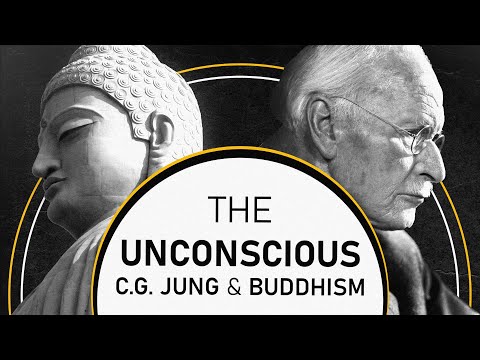
It’s kind of wild how some ideas just don’t stick around, right? Think about Carl Jung, a guy who influenced a ton of modern psychology. He had all these incredible thoughts about the unconscious mind and archetypes, but he doesn’t always get the respect he deserves today. So, what gives? Let’s break it down.
First off, Jung was super into the **unconscious**. He believed it was like this vast ocean beneath the surface of our everyday lives. You know how in video games, sometimes there’s a hidden level that you only find if you explore enough? That’s kind of how Jung saw our dreams and unexpressed thoughts—full of treasures waiting to be discovered.
But here’s the thing: a lot of modern psychologists lean more towards **behaviorism** and cognitive theories. They focus on observable behaviors rather than delving into that deep ocean Jung loved so much. It’s like they’re playing a game where all they care about is leveling up by completing tasks instead of exploring side quests or hidden stories.
Also, Jung introduced concepts like **archetypes**—those universal symbols that pop up in myths and stories everywhere. Think superheroes; you’ve got your hero, mentor, trickster, etc. While these ideas are fascinating and help us understand narratives in literature and films, they don’t always translate neatly into clinical settings with measurable outcomes.
The whole emphasis on spirituality in Jung’s work also raises eyebrows for some folks in psychology circles today. He saw spirituality as essential for understanding the self and achieving personal growth—not everyone agrees with mixing science and spirituality though! It feels a bit like trying to mix oil and water; it just doesn’t blend well for some people.
Another hiccup is his perspective on gender roles through his concept of **anima** and **animus**, which refers to feminine aspects in men and masculine aspects in women respectively. Sure, it gave insights back then, but many contemporary thinkers argue that it can unintentionally reinforce stereotypes—yikes!
To sum things up:
- Behaviorism vs Depth Psychology: Modern approaches focus on behaviors rather than exploring unconscious motives.
- Archetypes: Jung’s universal symbols are intriguing but not always easily applied clinically.
- Spirituality: His views can clash with purely scientific perspectives.
- Gender Roles: Ideas around anima/animus raise concerns about reinforcing stereotypes.
All this said—C.Jung still makes waves! His insights have shaped fields like art therapy or narrative therapy; those dive into human experience deeply too. Just remember, if you’re wrestling with your own inner stuff or looking for help with mental health matters? Always reach out to a professional who knows their stuff! You deserve that kind of support without getting lost in jungles—pun intended!
Understanding Unconscious Mechanisms: Insights and Implications in Psychology (PDF)
The mind is like an iceberg, you know? Most of it is lurking beneath the surface, and that’s where the unconscious comes in. This hidden part of our psyche influences how we feel, act, and react without us even knowing it. Seriously, it’s kind of wild when you think about how much control our unconscious mechanisms have over our day-to-day lives.
So what exactly are these unconscious mechanisms? Well, they’re basically mental processes that operate outside of your conscious awareness. Think of them as little puppeteers pulling the strings behind your thoughts and behavior. They can shape everything from your fears to your dreams!
Let’s break down some key aspects:
- Defense Mechanisms: These are like mental shortcuts we take to cope with stress or anxiety. Picture a kid who didn’t get picked for the team. Instead of feeling sad, they might say, «I didn’t want to play anyway!» That’s rationalization at work.
- Automatic Thoughts: You know those times when you catch yourself thinking something negative for no reason? That’s your unconscious throwing some shade! These thoughts can affect your mood and behavior without you even realizing it.
- Dreams: Ever had a dream that felt super random but later made you think about something in your life? Dreams often reveal what’s hidden deep in our minds and can be a window into our unconscious feelings and desires.
Here’s an example: Imagine playing a video game where you can’t shake off that pesky feeling that someone’s out to get you. Even if you’re just facing a tough boss level, this unease could stem from past experiences—maybe a friend betrayed you once before? Your brain’s making connections that you’re not consciously aware of!
In therapy—whether it’s talk therapy or something more creative—unpacking these unconscious mechanisms can be super helpful. When people start to connect their feelings to these deeper issues, they often notice changes in their behavior and relationships.
But look, while understanding your unconscious can provide insights into yourself, it doesn’t replace professional help if you need it! If things feel overwhelming or confusing, chatting with a therapist is the way to go.
To wrap this up: Your unconscious mind is doing more than you’d expect! It shapes who you are daily—from how you interact with friends to what dreams pop up at night. So next time you’re feeling something intense or reacting strongly, ask yourself: What could my mind be trying to tell me here?
You know, the unconscious mind is like that sneaky friend who keeps popping up in your life when you least expect it. Seriously! It’s this vast, hidden part of your brain that holds all those little bits and pieces of thoughts, feelings, and memories you didn’t even know were there. It works behind the scenes, influencing how you feel or react to things without you even realizing it. Isn’t that a trip?
Picture this: You’re walking down the street and suddenly smell a certain perfume. Boom! You’re hit with a wave of nostalgia from your first crush which wasn’t even on your mind before. That’s your unconscious at work, pulling up old memories and emotions like a magician revealing cards from a deck.
One thing that always gets me is how our unconscious can be impacted by past experiences—sometimes from way back in childhood—shaping our adult lives in ways we might not see until some light shines on them. For instance, maybe as a kid, you got scolded for being too loud in class. Later on, even though you might not consciously remember it, you start avoiding situations where you’d have to speak up or share your ideas because of that buried fear of judgment. Crazy how those tiny moments can ripple out into big parts of our lives!
There’s also this whole concept of defense mechanisms which are like little shields we put up when life gets too intense or messy. Ever found yourself laughing at an awkward moment instead of feeling embarrassed? That’s called humor as a defense mechanism! It’s like this protective measure to help cope with stress or uncomfortable feelings.
But hey—don’t get me wrong; these mechanisms aren’t inherently bad! They can help us navigate tough times and avoid overwhelm while still standing strong in challenging situations.
The implications of all this are downright fascinating and kind of powerful too. When we become aware of our unconscious biases or hidden memories, we can start untangling the web they weave through our thoughts and actions. Basically, digging into what’s under the surface helps us lead more authentic lives.
All in all, while we may not fully grasp every nuance of our unconscious minds—just like we might never quite understand why some songs trigger tears—it definitely shapes who we are in profound ways. Embracing it can lead to incredible insights about ourselves if you’re open to exploring what’s hiding just beneath that conscious surface!