Hey, you ever sit back and wonder how your brain works? I mean, really works? It’s like this complex machine running all the time, processing thoughts, feelings, and memories without us even realizing it.
Este blog ofrece contenido únicamente con fines informativos, educativos y de reflexión. La información publicada no constituye consejo médico, psicológico ni psiquiátrico, y no sustituye la evaluación, el diagnóstico, el tratamiento ni la orientación individual de un profesional debidamente acreditado. Si crees que puedes estar atravesando un problema psicológico o de salud, consulta cuanto antes con un profesional certificado antes de tomar cualquier decisión importante sobre tu bienestar. No te automediques ni inicies, suspendas o modifiques medicamentos, terapias o tratamientos por tu cuenta. Aunque intentamos que la información sea útil y precisa, no garantizamos que esté completa, actualizada o que sea adecuada. El uso de este contenido es bajo tu propia responsabilidad y su lectura no crea una relación profesional, clínica ni terapéutica con el autor o con este sitio web.
Seriously, think about it for a sec. We’re constantly learning new stuff—sometimes without even trying! From picking up the latest dance move to figuring out why your dog stares at you during dinner.
And here’s the kicker: our brains are pretty flexible. They change and adapt based on what we experience. How cool is that? So let’s break down this wild ride of cognition together, shall we? It’s going to be a fun journey through what makes us tick!
Understanding Brain Cognition: Insights into Thinking and Learning – PDF Guide
Alright, let’s chat about brain cognition. It’s all about how we think and learn, which is kind of a big deal, right? So, when you think about your day-to-day, every time you solve a puzzle or pick up a new skill, you’re tapping into some serious brain magic. Here are some interesting bits to know.
- Cognition Defined: First off, cognition refers to all the mental processes involved in gaining knowledge and comprehension. This includes things like perception, attention, memory, reasoning, and decision-making. Basically, it’s how your brain processes the world around you.
- Thinking: When we think, we’re basically using our brains like a super computer. Thoughts can be quick and instinctual or slow and deliberate. For instance, if someone throws a ball at you on the street and you catch it without even thinking about it – that’s fast thinking. But if you’re trying to decide whether to go to that new restaurant or stick with your favorite place? That involves more deliberation.
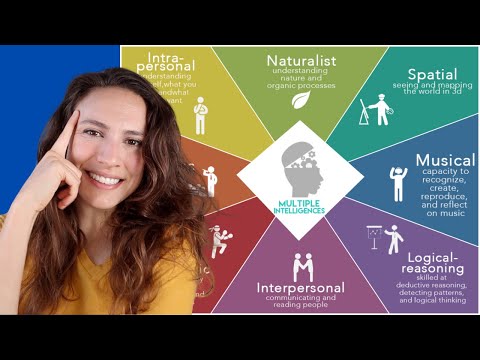
- Learning Styles: Everyone absorbs information differently! Some people are visual learners (think diagrams), while others might be auditory learners (they remember best when they hear something). You might also be a kinesthetic learner who needs hands-on experience. It’s like how some folks can ace video games because they learn by doing while others read manuals first!
- The Role of Memory: Memory isn’t just one thing; it’s actually composed of different types—like working memory (what you use for short tasks) and long-term memory (that nostalgia trip when you remember your childhood). Consider this: when you’re playing chess or any strategy game that demands immediate recall of previous moves—you’re relying heavily on both types!
- Neuroplasticity: This one’s fascinating! Neuroplasticity is the ability of your brain to change throughout life by forming new connections. So when you’re learning something new—like picking up guitar chords—your brain rewires itself! I mean isn’t that cool? It’s proof that learning can happen at any age.
- Cognitive Load: Here’s where things get tricky sometimes! When you’re overloaded with information—like trying to study for multiple exams at once—it becomes harder to retain what you learn because your cognitive “workspace” gets cluttered. It’s like trying to play two games at once; you just can’t focus well!
- The Importance of Mood: Did you know that your emotional state can affect how well you learn? For example, being stressed out can make it tough to concentrate. So next time you’re gearing up for a big test or presentation, try chilling out with some Mindfulness exercises or deep breathing—it helps clear the mental fog!
The journey through cognition is wild! Remember though: while understanding these topics gives insight into how we think and learn better, it doesn’t replace professional help if you’re looking for guidance on specific issues related to learning difficulties or mental health challenges.
If you’ve ever noticed how much easier it is to pick up complex skills in interactive settings rather than alone—remember this stuff next time you’re tackling something new! Keep this info handy; understanding our brains might just make us better thinkers and learners.
Practical Examples of Metacognition: Enhancing Self-Awareness and Learning Strategies
Metacognition, huh? It’s one of those fancy terms that basically means “thinking about thinking.” You know, being aware of how you learn and what you need to do to boost that learning. It’s like having a little coach in your brain keeping track of your progress and guiding your strategies. Let’s explore how this can actually play out in real life.
When you engage in metacognition, you’re not just soaking up information; you’re actively tracking your understanding. You can relate this to playing a video game—like Mario Kart! When you’re racing, you don’t just focus on the road. You think about when to drift for corners or whether to use that banana peel strategically. In learning, it’s the same principle. You assess where you’re doing well and where you struggle.
Here are some practical examples of metacognition:
- Self-Questioning: Before diving into study material, ask yourself questions like “What do I already know?” or “What do I aim to learn?” This primes your brain for what’s ahead.
- Monitoring Comprehension: As you read a textbook or any material, take pauses. Are you really getting it? If not, go back and re-read or summarize what you’ve just covered.
- Reflective Journaling: After a study session or learning experience, jot down what worked well and what didn’t. This helps identify effective strategies so you can use them next time.
- Adjusting Strategies: Suppose you’re preparing for a test and realize flashcards aren’t cutting it. Maybe switching to mind maps will help better visualize connections.
I remember this one time when my friend was prepping for a big exam in college—she was stressing out big time! Instead of just cramming material into her brain (which we all know doesn’t work so great), she started asking herself how she preferred learning—visuals or textures? So she created colorful charts! Guess what? Her understanding improved dramatically because she was able to really see the information in a way that clicked with her.
Alright, let’s go deeper into some strategies:
- Goal Setting: Break down big tasks into smaller chunks with clear goals. Instead of saying “I’ll study biology,” try “I’ll master chapters one through three by Thursday.”
- Cue Cards: Use cue cards not just for memorization but also as prompts to remind yourself how to approach problems or concepts.
- Learner Profiles: Create profiles for different subjects where you can note your strengths and weaknesses. Over time this gives insight into which areas need more attention.
It’s kind of like leveling up in gaming—you want the best gear (skills) before facing tougher bosses (challenging topics). Knowing your strengths lets you tackle weaknesses like a pro!
Does metacognition help everyone? Well… sort of! Some folks naturally use these techniques more than others. But hey, if you’ve never thought about how you learn before? No worries! It’s never too late to start figuring it out.
And remember: while these concepts are super helpful for improving self-awareness and enhancing learning strategies, they’re not a substitute for professional advice when needed. If you’re feeling overwhelmed or struggling seriously with learning challenges, chatting with an expert is always smart.
So there it is—a little peek into metacognition that’s practical and relatable! By tuning into how we think about our thinking, we can totally amp up our learning game!
Understanding Metacognition in Learning: A Guide to Enhancing Self-Awareness and Study Skills
Metacognition? It’s like thinking about your thinking. You know that feeling when you realize you’re confused about something? That’s metacognition kicking in! It’s all about being aware of how you learn and think, which can seriously help boost your study skills.
What is Metacognition?
So, metacognition involves two main parts: knowledge and regulation. Knowledge is understanding what you know and what you don’t. Regulation? That’s all about how you control your learning processes. Imagine playing a video game where you assess your skill level, adjust strategies, or decide when to take a break. Pretty cool, right?
Why Does It Matter?
Here’s the deal: being metacognitive can improve not just your grades but also how effective and enjoyable learning can be. When you’re aware of your own thought processes, you’re better equipped to tackle challenges. Studies show that people who practice metacognition tend to perform better academically because they’re actively engaged in their learning.
- Planning: Before starting a task, ask yourself how you’ll approach it. What strategies will work best?
- Monitoring: While you’re doing the task, keep checking in with yourself. How are things going? Do I need to change my approach?
- Evaluating: After completing a task, reflect on what worked and what didn’t.
Examples of Metacognition in Action
Let’s say you’re studying for an exam. Instead of just cramming information into your brain—yawn—you might think about which methods help you remember stuff best. Maybe flashcards work better than re-reading notes for you—so use those! Keeping track of which strategies help enhances self-awareness.
Or consider when you’re playing chess. It’s not just about moving pieces; it involves recognizing patterns and adapting your strategy based on the opponent’s moves. Each game gives you insights into your decision-making process.
Improving Your Metacognitive Skills
To really ramp up those skills, try asking yourself some straightforward questions during learning sessions:
- This material feels tough—do I understand it well enough?
- If I’m struggling here, should I switch tactics?
- What did I learn from my last test or study session that I can apply now?
Using a simple journal could also make a big difference here; jot down not only what you’ve learned but also how effective various techniques were for you.
The Bottom Line
Metacognition isn’t some fancy term meant for academics alone—it has real-world applications that matter every day as students or professionals! It allows for deeper understanding and promotes self-awareness during learning processes.
Remember though: while enhancing these skills is super helpful, if you’re ever feeling overwhelmed or struggling significantly with learning or mental health issues, seeking professional support is key!
You know, cognition is this super cool thing that happens in our brains, right? It’s all about how we think, learn, and understand the world around us. It’s like the ultimate behind-the-scenes show of our minds. When I first started digging into this, I was kind of amazed at how much goes on up there without us even realizing it!
So picture this: you’re sitting there in a class or a meeting. Your mind starts to wander off to what you’re doing later, or maybe you’re just daydreaming about pizza (who doesn’t love pizza?). That’s your brain going through various processes—assessing information, keeping memories alive, even making predictions. But here’s the kicker: not all of it is conscious. A lot happens in the background while we think we’re just zoning out.
I remember a time when I got really frustrated trying to learn a new language. I practiced vocabulary for hours but couldn’t remember much. Then someone told me about “active learning.” That means engaging with material instead of just memorizing it passively. So, I started talking to myself in that language while cooking or listening to music. And guess what? Things began clicking! It was wild how my brain responded when I made it fun and relevant.
In terms of learning styles—yeah, we’ve all heard about visual versus auditory learners—what’s fascinating is that our brains are pretty adaptable. You might find that you learn better when you mix things up a bit. Maybe some days you read; other days you watch videos or even teach someone else what you learned! That kind of variety helps create stronger connections in your brain.
And let’s not forget emotions! Seriously, they play such a huge role in cognition too. Ever notice how certain songs can take you back to specific memories? That’s your brain linking emotions with experiences and enhancing memory retention. It’s like every time I’m reminded of an old song from high school, I’m flooded with feelings and details from those times—all thanks to the way our brains encode information emotionally.
But hey, here’s something interesting: cognitive biases can trip us up sometimes. Like confirmation bias—you know how we tend to look for information that backs up what we already believe? It can really skew our understanding of things! It makes sense; nobody wants their beliefs challenged all the time.
Ultimately, learning is a lifelong journey for all of us! Our brains have this incredible capacity to adapt and change through something called neuroplasticity—it sounds fancy but really just means your brain can reshape itself based on experiences and learning over time. So whether you’re picking up new skills or diving into complicated ideas—just remember that every little bit counts!
In the end, understanding how our minds work can empower us as learners and thinkers—it opens up a whole new perspective on life itself! How cool is that?