Hey you! Ever had one of those moments when you realize that your best ideas come when you’re not even thinking about them? Like, maybe while you’re washing the dishes or going for a walk?
Este blog ofrece contenido únicamente con fines informativos, educativos y de reflexión. La información publicada no constituye consejo médico, psicológico ni psiquiátrico, y no sustituye la evaluación, el diagnóstico, el tratamiento ni la orientación individual de un profesional debidamente acreditado. Si crees que puedes estar atravesando un problema psicológico o de salud, consulta cuanto antes con un profesional certificado antes de tomar cualquier decisión importante sobre tu bienestar. No te automediques ni inicies, suspendas o modifiques medicamentos, terapias o tratamientos por tu cuenta. Aunque intentamos que la información sea útil y precisa, no garantizamos que esté completa, actualizada o que sea adecuada. El uso de este contenido es bajo tu propia responsabilidad y su lectura no crea una relación profesional, clínica ni terapéutica con el autor o con este sitio web.
It’s kinda wild, right? You might be wondering how our surroundings and those little moments can actually shape our thoughts. Well, that’s what we’re getting into here!
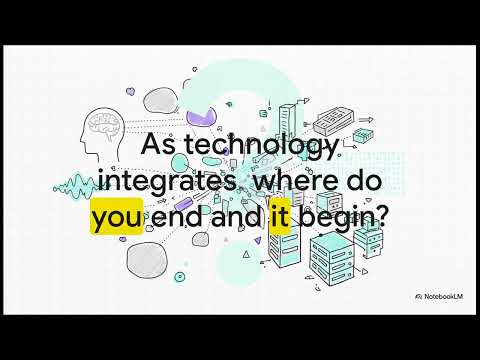
The idea that our mind isn’t just in our heads—it’s more like part of a big, connected system—is pretty cool. Seriously, it opens up a whole new way to think about how we learn and create.
You know, sometimes it feels like we’re juggling a million things in our brain. But what if we took a step back and realized that other stuff around us helps us out too? That’s the vibe we’re rolling with today!
So buckle up—it’s gonna be a fun ride!
Exploring the Extended Mind: Insights into Thought and Cognition
Have you ever thought about where your thoughts actually happen? Like, are they just floating around in your brain? Well, there’s this idea called the Extended Mind that challenges that traditional view. It suggests that our minds aren’t limited to our skulls but extend out into the world around us. Let’s dig into this.
First off, the theory of the Extended Mind was popularized by philosophers like Andy Clark and David Chalmers. They argued that objects in our environment can actually become part of our thinking process. So, if you often jot down notes on your phone or use a calendar app to plan your life, those tools are extensions of your mind. Crazy, huh?
Think about a time when you used a calculator for something complex. If I were to ask you how many hours it took to solve a math problem without that calculator… well, it might feel impossible! And that’s kind of the point. Your mind is using that tool to help think through problems.
Here are some key ideas about how this works:
- Outsourcing Memory: We often store information outside ourselves, like pictures on social media or reminders on our phones.
- Cognitive Tools: Tools like sticky notes or mental maps help us navigate tasks and make decisions.
- Collaborative Thinking: Talking with friends can bring new insights; their perspectives can change your thoughts.
So let’s say you’re playing a strategy game, like chess or Settlers of Catan. You might rely on other players’ strategies or even the board itself as part of your thought process. When you’re planning moves or strategies based on what someone does next—you’re extending your cognitive abilities beyond just what’s happening in your head.
And it doesn’t stop at games; look at groups brainstorming ideas for work projects. Each person is bringing their intuition and thoughts together—it’s like building a collective mind!
But here’s something important: while these external tools enhance our cognitive abilities, they don’t replace them. You’re still the one doing the thinking! The tools just help flesh out those thoughts in ways we might not see otherwise.
It’s worth noting that diving into this concept doesn’t mean we should forget about taking care of our mental health and seeking help when needed. I mean, using tools is great and all, but they’re not substitutes for genuine self-awareness and emotional processing.
So in the end, keep an eye on how you use your surroundings—whether it’s digital tools or people around you—for deeper thinking. Our minds are much more connected to our environment than we often give them credit for!
The Extended Mind: Understanding the Cognitive and Social Dimensions of External Thinking – PDF Download
Alright, let’s chat about this idea called The Extended Mind. It’s a pretty cool concept that moves beyond the usual thinking of your brain as just a solo performer. Instead, it says that your mind isn’t just in your head—it’s all around you.
What happens is, when we talk about the extended mind, we dive into how our thoughts can be influenced and even shaped by tools and environments we interact with. You know how using your phone to look up stuff helps you remember things better? That’s a simple example of this theory in action.
The extended mind suggests that everything from our gadgets to our social networks plays a role in how we think and problem-solve. It’s like having an external hard drive for your brain!
Here are some key points to consider:
- Cognition Isn’t Just Internal: The brain does a lot, but it doesn’t work alone. Think of walking through an escape room: you’re using clues around you to solve puzzles. Those external hints help jog your memory and creativity.
- Social Frameworks Matter: Ever had a brainstorming session with friends over coffee? When people share ideas, everyone’s perspectives combine into something richer than what one person could come up with alone. Your friends’ insights extend your thinking!
- Tools Shape Thought: Using tools can actually change how we think. For instance, drawing diagrams or making lists can help organize complex thoughts in ways that plain old writing can’t.
- The Environment Plays a Role: Your environment is part of the equation too! A cluttered desk might distract you while a clean space could make it easier to focus on tasks.
It’s interesting to see this idea pop up in various areas of life—from education to social interactions. Take gaming as an example: when playing multiplayer games, players often rely on each other for strategies and support. This collaboration boosts their abilities and decision-making skills.
Now, let’s touch on why this matters for you personally. Recognizing that your thinking extends beyond just yourself allows for growth and improvement. Maybe try rearranging your workspace or engaging more intentionally with others; you’ll likely find new ways of tackling problems or finding inspiration.
Just remember that while these insights can enhance your cognitive capabilities, they aren’t replacements for professional mental health support when needed. If you’re struggling or feeling overwhelmed, reaching out to someone trained is always the best bet.
In essence, The Extended Mind encourages us to see the bigger picture—it shows us that our thoughts are intertwined with the world around us! So next time you’re solving a problem or brainstorming ideas, think about those external influences working together with your noggin’. Pretty neat concept, right?
The Extended Mind: Analyzing Clark and Chalmers’ Cognitive Framework
The idea of the **Extended Mind** is pretty cool. You know? It suggests that our thinking and cognition aren’t just stuck inside our heads—they extend out to the world around us! Clark and Chalmers, two philosophers, came up with this concept to shake up how we view the mind.
They argue that tools and environments play a big part in our thought processes. For example, if you’ve ever used your phone for directions, it’s not just a tool; it’s actually part of how you figure out where to go. That’s part of what they mean by “extended.”
Here are some key points about this concept:
- **Cognitive Integration**: Our thoughts are influenced by external factors, like notebooks or apps. When you write things down, those notes help you remember better!
- **Active Manipulation**: Using external objects changes how you think. Imagine playing chess. Your strategy changes based on what pieces are on the board and how they interact.
- **Dependency on Environment**: Our surroundings can affect our cognitive abilities. If you’re in a noisy café versus a quiet room, your ability to focus might shift.
Now let’s talk about an example from gaming! Take a game like **Portal**, where players solve puzzles using a portal gun. This gun isn’t just a game mechanic; it alters your way of thinking about space and movement. You have to engage with the environment using this tool which transforms how you approach challenges.
Clark and Chalmers also introduced something interesting called the “*parity principle*.” This means that if something outside our brain performs functions similar to internal thinking processes, then it can be considered part of our mind too! So if you’re using your smartphone calculator instead of doing math in your head, you’re not cheating—you’re extending your cognitive abilities!
But there’s some debate around this theory! Critics argue that just because we use tools doesn’t mean they become part of us. After all, when we step away from them—like putting down our phones—do they still count as extensions? Food for thought!
All in all, the Extended Mind challenges us to rethink where thought happens—it’s not confined within our skulls but spreads out into the world around us. It opens up new ways to understand learning and interaction too.
So next time you’re relying on an app or jotting down notes for that big presentation? Remember, those tools are more than just aids; they’re part of your cognitive process! Just keep in mind that while exploring these concepts is fascinating, it’s not a substitute for professional help if you’re facing psychological struggles.
You know, the idea of the «extended mind» is just a wild concept that really makes you think about how we process information. So, picture this: you’re trying to solve a problem, and you pull out your phone to look something up. You might not realize it, but you’re using that device as an extension of your brain. That’s the essence of the extended mind theory!
I remember this one time I was prepping for a big presentation at work. I felt overwhelmed and started jotting down ideas on my laptop. But then I caught myself staring at the screen blankly for what felt like forever. Frustrated, I decided to grab some paper and my favorite colored pens—yes, I went old-school! All of a sudden, my thoughts started flowing again. It’s interesting how switching from one medium to another can spark creativity or clarity in our minds.
So here’s where it gets fun: the extended mind really challenges what we think about thinking itself! It’s not just what’s happening inside our heads; it’s also about how tools, environments, and even other people shape our cognitive processes. That means every time you talk things out with a friend or use an app to organize your thoughts, you’re extending your cognitive reach beyond just your brain.
Imagine being in a group brainstorming session—like when everyone throws out ideas and bounces them off each other. The conversation itself becomes this living thing that fuels creativity! It’s all interconnected; our interactions are just as important as our individual thoughts.
But hey, let’s not forget about some potential downsides too. Relying too heavily on technology can actually mess with our own cognitive skills if we’re not careful. Like when you can’t remember someone’s phone number because you’ve always got it saved in your contacts? That dependency can get tricky.
All in all, embracing this extended perspective on thought encourages us to look beyond ourselves and appreciate how everything around us plays into our mental processes. So next time you’re stuck trying to figure something out, try switching up your environment or even talking it through with someone else! It could open up whole new ways of thinking that might surprise you!