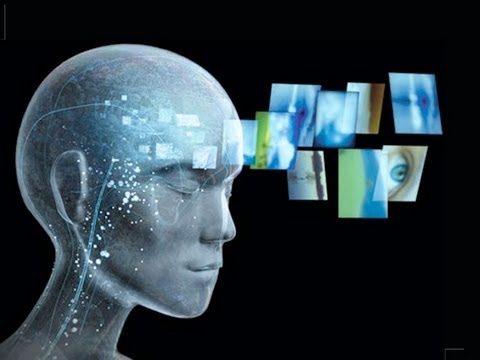
Okay, so here’s the thing. You ever think about how wild our minds are? Seriously, like, what makes us tick?
Este blog ofrece contenido únicamente con fines informativos, educativos y de reflexión. La información publicada no constituye consejo médico, psicológico ni psiquiátrico, y no sustituye la evaluación, el diagnóstico, el tratamiento ni la orientación individual de un profesional debidamente acreditado. Si crees que puedes estar atravesando un problema psicológico o de salud, consulta cuanto antes con un profesional certificado antes de tomar cualquier decisión importante sobre tu bienestar. No te automediques ni inicies, suspendas o modifiques medicamentos, terapias o tratamientos por tu cuenta. Aunque intentamos que la información sea útil y precisa, no garantizamos que esté completa, actualizada o que sea adecuada. El uso de este contenido es bajo tu propia responsabilidad y su lectura no crea una relación profesional, clínica ni terapéutica con el autor o con este sitio web.
Think about it. You’re sitting there, and suddenly a million thoughts pop into your head. It’s like your brain’s throwing a party, but not everyone’s invited!
That’s kinda what the bicameral mind is all about. It dives into how our consciousness works and how we process thoughts. Fascinating stuff, right?
You know, some people believe there was a time when we didn’t even think the way we do now. Crazy!
So let’s unpack this whole idea together and see what the heck it means for you and me today. Sound good?
Bicameral Mind: A Comprehensive Overview of Consciousness and Thought
The concept of the Bicameral Mind is a fascinating one. It was popularized by psychologist Julian Jaynes in the 1970s. He theorized that ancient humans had a different way of thinking, split between two «chambers» or halves of the brain. This split, according to him, allowed them to experience a sort of auditory hallucination, where they heard commands from their own minds.
So, what does this mean? Basically, Jaynes suggested that before the development of self-awareness and introspection, people processed thoughts and decisions in a more direct way. Instead of thinking about their actions, they would hear voices guiding them. These voices were interpreted as coming from gods or external sources.
Here are some key points to help you understand this theory better:
- Two Chambers: The term «bicameral» literally means «two chambers.» In this context, it refers to how ancient people functioned mentally.
- Auditory Hallucinations: People reportedly experienced internal voices that influenced their behavior.
- Development of Consciousness: Over time, as societies became more complex, humans started to develop self-awareness and reflective thought.
- Psychohistorical Evidence: Jaynes supported his theory with examples from ancient literature and history showing how individuals responded to these supposed divine voices.
Imagine you’re playing a video game where your character is guided by an NPC (non-playable character) who gives commands. At first, you might just follow these without question. But as you progress and unlock new abilities or powers, you start making choices based on your understanding instead of following orders blindly. This reflects how humans evolved from following these “commands” to becoming more thoughtful agents in their own lives.
Some people argue against Jaynes’ ideas saying that there’s not enough evidence for such a radical change in human thought processes. They point out that cultures have always had ways to explain internal experiences without assuming a bicameral structure.
Also worth noting: just because we’re talking about the bicameral mind doesn’t mean everyone experiences reality this way or should—this is not an endorsement for hearing voices or anything like that! If someone feels confused about their thoughts or struggles with mental health issues, reaching out for professional help is always recommended.
In summary, the Bicameral Mind theory offers an interesting perspective on how consciousness evolved in humans. While it sparks curiosity and debate among psychologists and historians alike, it’s important to approach such concepts critically. The evolution of thought processes is something deeply tied to our experiences as social beings navigating through life’s complexities together!
The Origin of Consciousness: Understanding the Breakdown of the Bicameral Mind
Alright, let’s chat about consciousness, shall we? It’s one of those big mysteries that has fascinated philosophers and scientists for ages. And when you bring up the Bicameral Mind, it gets even more interesting. So, what is that all about?
The term “Bicameral Mind” was made popular by psychologist Julian Jaynes in his book from the 1970s. Basically, he argued that early humans didn’t think the way we do now. Instead of having a unified sense of self, their minds worked like two chambers: one part did the thinking and planning while another part “spoke,” giving them guidance.
You might be wondering how that looks in practice. Imagine playing a video game where your character receives instructions from an NPC (non-playable character). They can’t think for themselves but follow commands as if they were hearing voices. Jaynes suggested that ancient humans experienced something similar—guidance came in the form of auditory hallucinations perceived as divine voices.
- Two-Part Structure: Think of it like having two roommates sharing an apartment; they each have their own roles and responsibilities.
- No Inner Dialogue: Before consciousness evolved, people didn’t have internal conversations with themselves like we do today.
- Divine Voices: People may have believed these voices were gods or spirits telling them what to do.
So, how did this bicameral mindset break down? Well, as societies grew complex, people began to differentiate their thoughts from these external “voices.” The development of language and writing played a huge role here. It allowed individuals to start thinking about their own thoughts rather than just reacting to what they heard.
Picture this: You’re playing an open-world game where quests are given by characters scattered all over the map. At first, you follow each quest blindly (like those ancient people). But as you become familiar with the game world and plotlines, you start deciding which paths to take based on your personal objectives rather than just following orders. This shift signifies a move from bicameral thinking towards our modern consciousness.
The transition wasn’t easy! Imagine simply losing something foundational; it could feel chaotic and frightening. People had to learn how to use introspection—this new ability to think about their thoughts—and create a coherent sense of self.
- Increased Self-awareness: This increased ability helped individuals navigate social complexities better.
- Mental Health Challenges: With this shift came new psychological challenges; anxiety or depression could arise since people were now more aware of their inner thoughts and emotions.
The Bicameral Mind, then, was a crucial stepping stone in our evolution towards modern thought processes. It shows how our understanding of ourselves shapes not only individual lives but society itself!
If you find yourself dreaming about having conversations with some divine voice or struggling with your mental chatter, remember that you’re not alone. These feelings can be pretty overwhelming but talking to someone who knows their way around psychology is always worthwhile. They can help you sort through those complex layers—I’m just saying!
This entire concept serves as both an intriguing look back into our history and an insightful way to examine the nature of consciousness today. You know what I mean?
Understanding the Bicameral Mind: A Comprehensive PDF Guide to Consciousness and Thought
The concept of the **bicameral mind** is super intriguing and can really change how you think about consciousness. Basically, it’s an idea proposed by psychologist Julian Jaynes. He suggested that ancient humans didn’t have the same internal thoughts like we do today. Instead, their minds operated more like two separate entities communicating with one another.
In a bicameral mind, one part could be seen as the “talking” side while the other acted like a listener, so to speak. Imagine playing a game where you’re controlling two characters at once; one character gives orders while the other follows them. This dynamic illustrates how early humans might have thought and lived before developing modern self-awareness.
Here are some key points about the bicameral mind:
- Historical Context: Jaynes based his theory on ancient texts, like the Iliad and Odyssey, where characters often interpret their thoughts as commands from gods.
- Auditory Hallucinations: People in bicameral societies might have experienced what we now consider hallucinations—hearing voices guiding their actions.
- Evolution of Consciousness: The shift to modern consciousness occurred as language developed and societal structures became more complex.
- Modern Implications: Today, we often refer to voices in our heads during decision-making processes, but in ancient times, these voices were perceived differently.
One example that really brings this to life is the way people interact with video games. When playing role-playing games (RPGs), you sometimes hear your character speaking without you actively thinking those words. If you’ve ever played something like *The Legend of Zelda*, it’s like controlling Link while also hearing him respond to challenges without having to think through every single reaction.
It’s also important to clarify that understanding this theory does not replace professional help or guidance if you’re exploring thoughts or mental health issues. It’s fascinating nonetheless and provides a unique lens through which we can examine our own minds.
In short, Bicameralism offers insights into how our consciousness may have evolved over time—showing us that what seems normal today wasn’t always so! It’s wild to think how intertwined our minds are with language and society. So whether you’ve got voices leading your decisions or just pondering life’s mysteries, remember: these shifts in thinking are part of being human!
Alright, let’s chat about this idea called the bicameral mind. Seriously, it sounds like something from a sci-fi movie, right? But it’s actually a pretty intriguing concept that dives into how we think and experience consciousness.
So here’s the scoop: the term “bicameral” basically refers to having two separate chambers. In terms of our minds, it suggests that there was a time when people thought differently than we do now. Imagine living in a world where your thoughts weren’t really yours—like your brain was split into two parts. One part would tell you what to do while the other part would follow those commands. Kind of wild if you think about it!
There’s this theory tossed around by psychologist Julian Jaynes who argued that ancient humans operated without what we’d call self-awareness today. They didn’t have an inner voice—those inner dialogues that pop up in your head when you’re making decisions or just daydreaming. Instead, they perceived thoughts as external voices, like divine beings or gods guiding them through life. Can you imagine walking down the street and hearing a voice saying, “Hey, turn left?” Or feeling like your next big decision was dictated by someone else? Wow, right?
I remember watching an old documentary on this topic. They showed reenactments of people in ancient times who followed these “voices.” It actually made me reflect on how much our understanding of consciousness has evolved—or maybe changed isn’t even the right word; maybe it’s more like expanded?
But here’s where it gets even more interesting: now we’re left wondering how much of our thinking is truly our own? You ever get that feeling when you’re suddenly overwhelmed with anxiety about something trivial? Or when you hear a catchy song stuck in your head that won’t leave you alone? Those moments make me wonder if we’re still battling those bicameral tendencies, where outside influences mess with our inner dialogue.
Now don’t get me wrong; I’m not suggesting we’ve all gone back to living like folks thousands of years ago! But look around today; social media and constant connectivity change how we think and feel. It’s almost like we’re still wrestling with those external voices—the opinions swirling around us can drown out our own thoughts sometimes.
In the end, thinking about the bicameral mind makes me appreciate just how complex human thought is—and reminds me to be mindful of my own voice amid all the noise out there. Well, anyway, isn’t it wild to think that perhaps somewhere deep down inside us rests an ancient way of experiencing reality? So next time you’re caught up in your thoughts or listening to opinions from every corner—take a moment! Ask yourself whose voice is really speaking inside your head.